
Impressionist Still Life
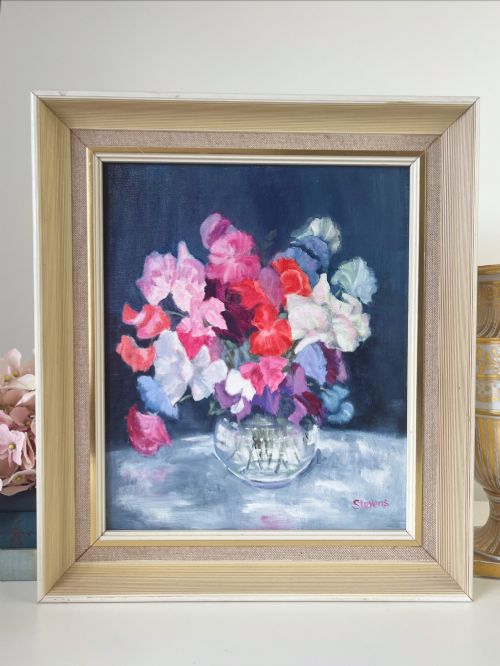
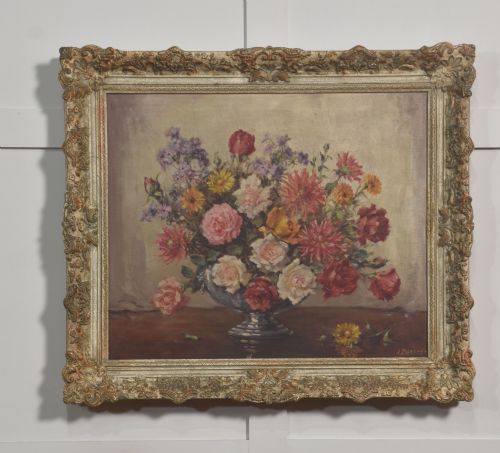
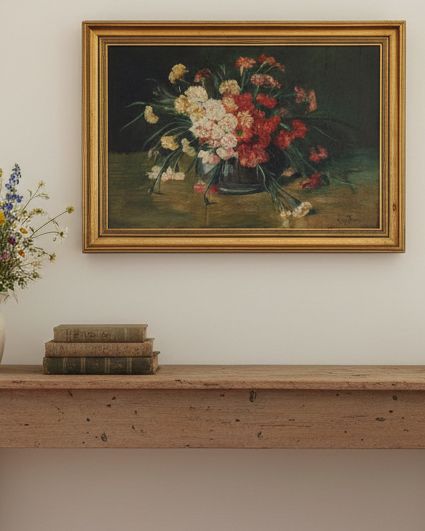
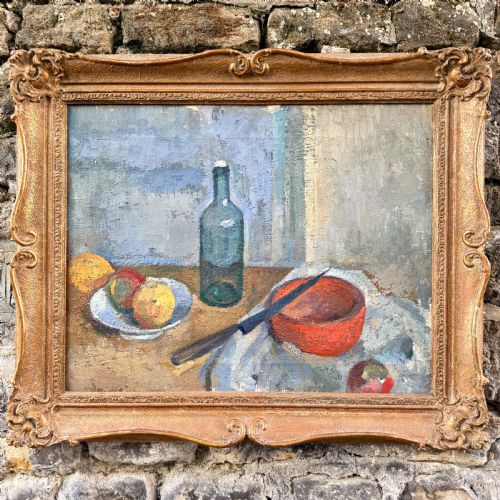
Impressionist still life brings domestic subjects to life through loose brushwork and vibrant colour.
Impressionist Still Life
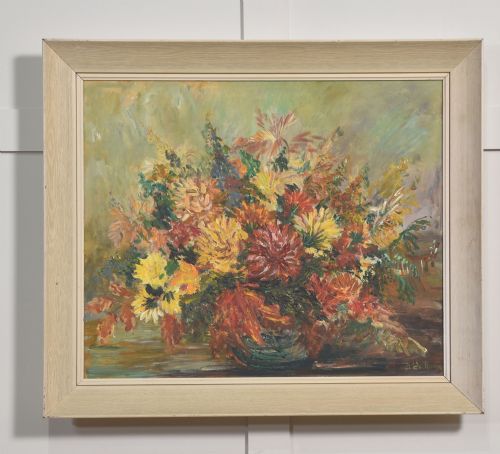
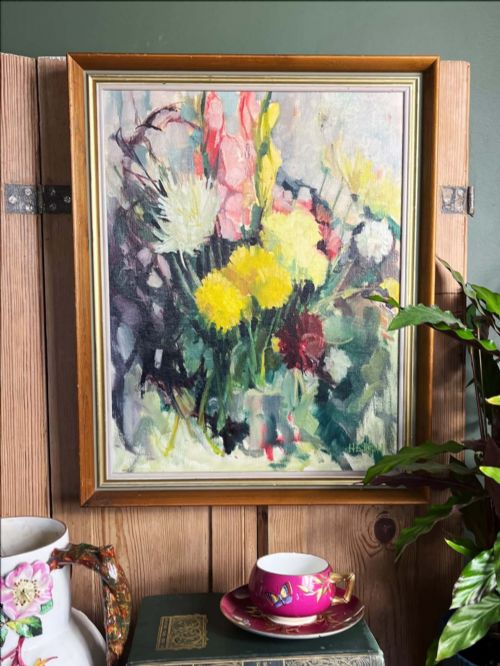
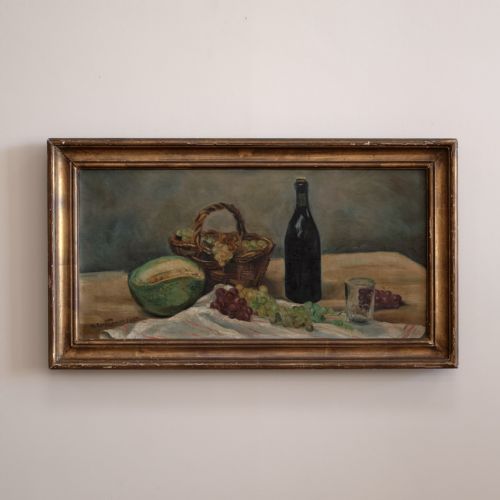
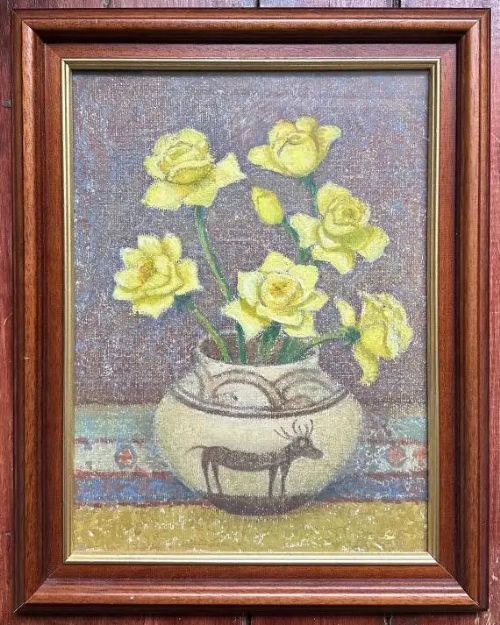
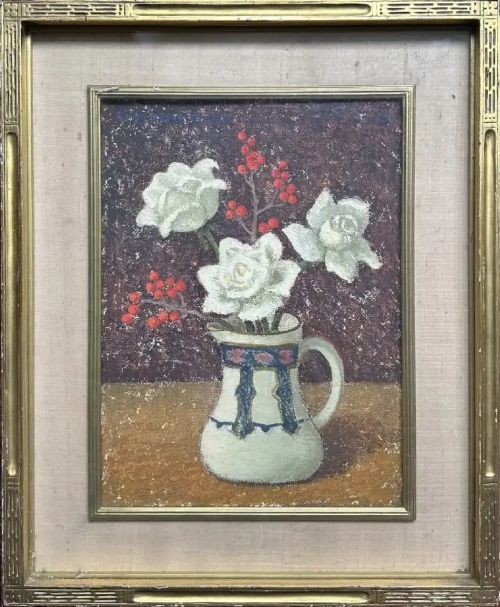
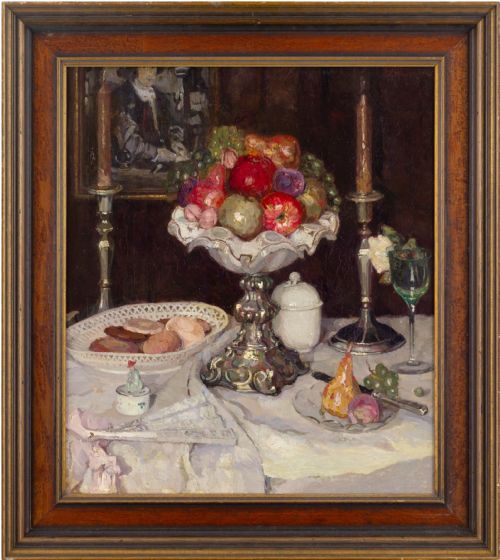
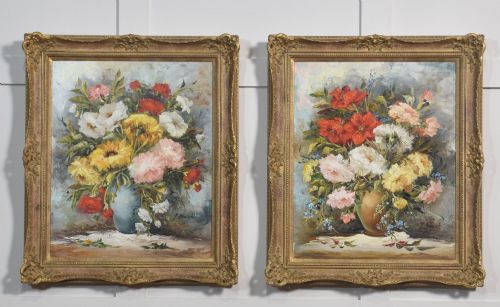
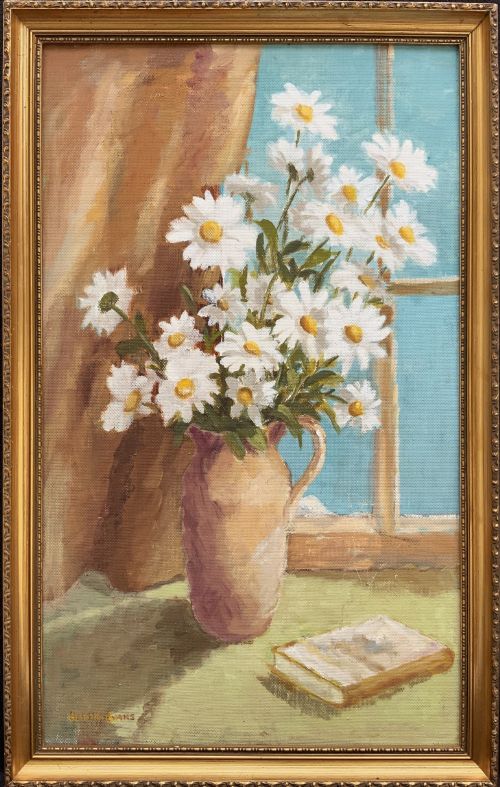
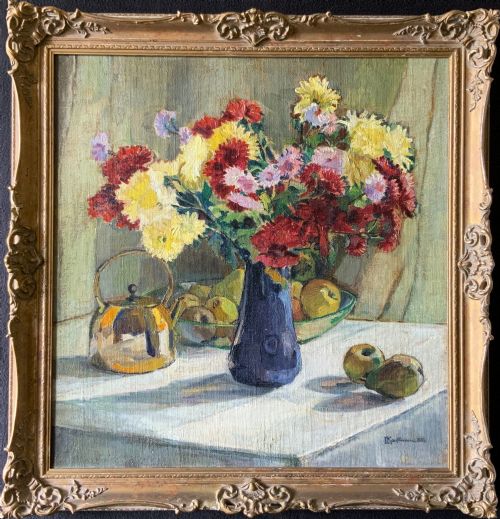
An impressionist still life captures ordinary arrangements of fruit, flowers and household objects through rapid brushwork and a focus on natural light. Collectors encounter these works across various formats, from oils on canvas to waterpaintings originating from the nineteenth century into the mid-twentieth century.
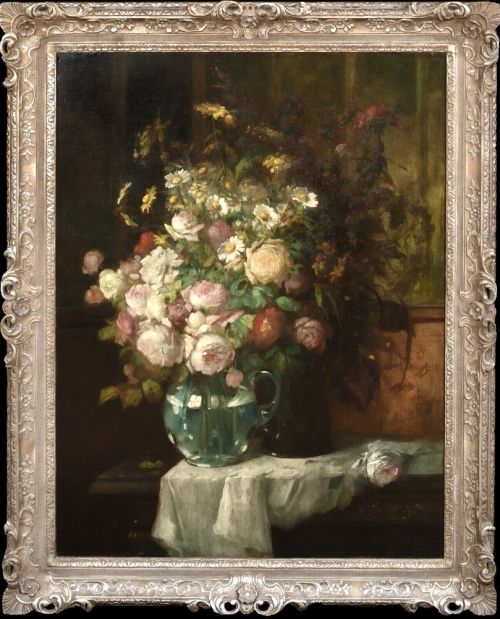
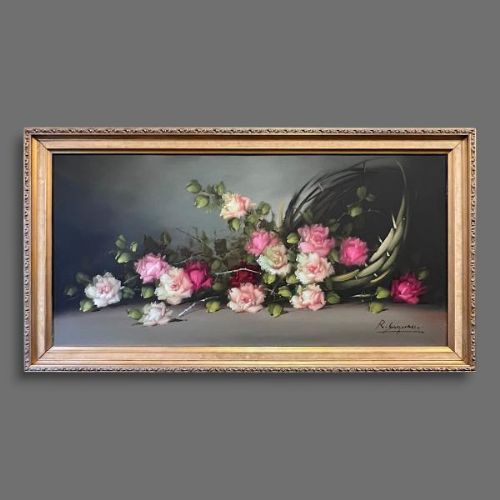
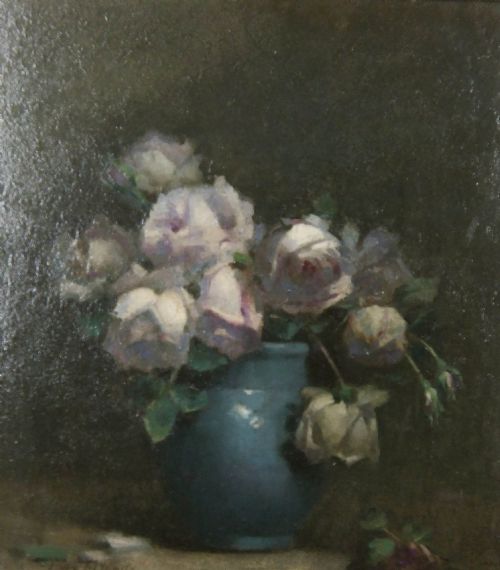
The pieces often feature floral displays, baskets of roses, and tabletop groupings rendered in styles that span from British and American impressionism to post-impressionism and art deco. These paintings bring domestic interiors into focus by emphasising atmosphere over strict academic precision.
Materials and Technique
Artists painted primarily with oil paint on stretched canvas or wooden board, applying pigment with visible, energetic strokes. Many works incorporate impasto techniques where thick paint stands proud of the surface to catch the light.
Framing forms an integral part of these pieces, frequently utilising carved wood finished with gesso and gilt. Watercolour and gouache on paper also appear alongside the dominant oil mediums.
Materials documented in these works include oil paint, canvas, wood, paper, gesso, and gilt.
Evaluating the Work
Quality rests upon the confidence of the brushwork and the artist's ability to manage light across a confined space. Stronger examples demonstrate a distinct command of colour harmony within simple domestic arrangements.
The integration of the frame with the painting itself influences the overall character of the piece. Works that retain their period gilt frames offer a more complete historic presentation.
I. Berezny·D. L. Williams·Konstantin Stoitzner·Emma Fordyce MacRae·Else Preußner·Vladimir Aldoshin·Manuela Bonati·William Thomas Wood·Victor Simonin·Owen Bowen·Gertrude Hayes·Amile Coppieters·Florence Hess·Henri Joseph Pauwels·Lester Sutcliffe·Kershaw Schofield·Sir Matthew Smith·Rowland Henry Hill·John Gilbey Bowles
The Impressionist Still Life Glossary
- Impasto
- Paint applied thickly to a canvas or board so that it stands out from the surface. This technique creates physical texture that catches ambient light.
- Gesso
- A plaster-based binder spread onto wood or canvas to prepare a smooth surface for painting, or moulded to form decorative relief on picture frames.
- Post-Impressionism
- An art movement extending beyond impressionism that prioritised symbolic content and expressive use of form and colour over naturalistic depiction.
- Gouache
- An opaque water-based paint that dries to a matte finish, offering stronger coverage than traditional watercolour.
Impressionist Still Life: Frequently Asked Questions
What subjects do these paintings show?
The compositions typically feature domestic subjects such as cut flowers, garden roses in vases, and tabletop arrangements of fruit and everyday vessels.
Artists also arranged game, candlesticks and pottery to study how light fell across varied textures within an interior space.
How do I date an impressionist still life?
Dating relies on stylistic markers, framing methods, and signatures or biographical records of the artists who painted them.
Evidence spans from the late nineteenth century through to the 1960s, encompassing distinct movements like art deco and post-impressionism.
Are these paintings usually framed?
Many pieces retain their original or period frames, particularly gilt wood and gesso moulding designs that complement the era of the artwork.
Frames provide important contextual clues regarding the geography and decade in which the painting was finished and displayed.
How should I hang these in my home?
These works suit domestic spaces where natural light can enliven the visible brushwork and thick impasto surfaces.
They pair well with traditional and mid-century interiors, anchoring a room with quiet studies of everyday objects.