





Impressionist Rural Landscape Painting
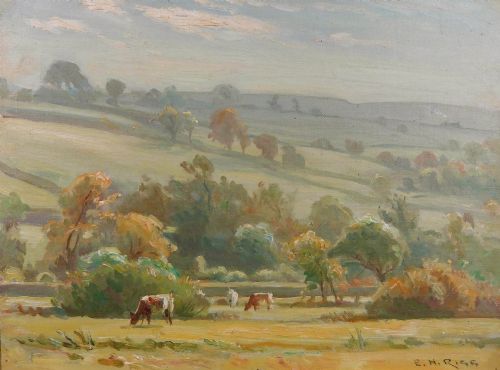
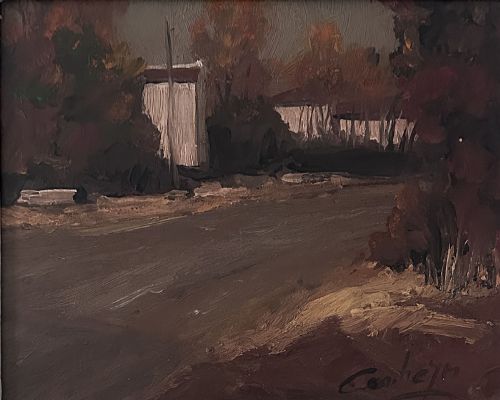
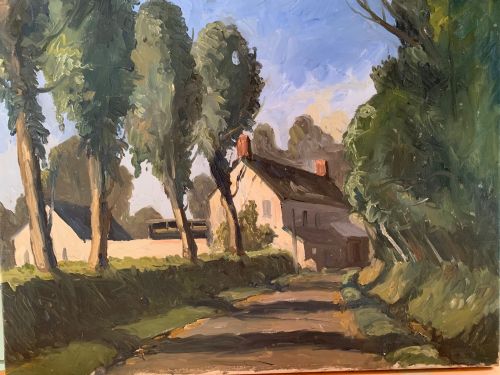
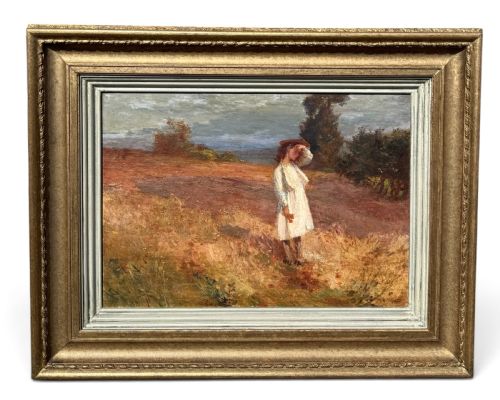
Impressionist rural landscape painting captures the open air of farms and fields through loose brushwork and natural light.
Impressionist Rural Landscape Painting
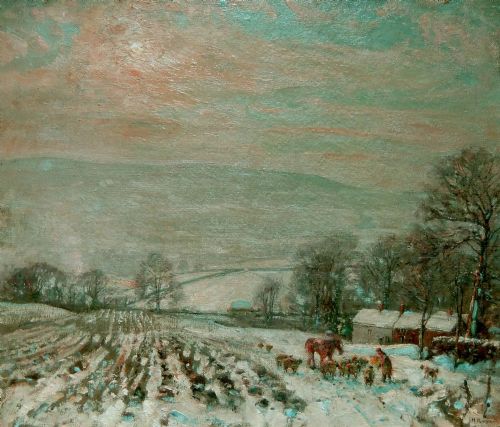
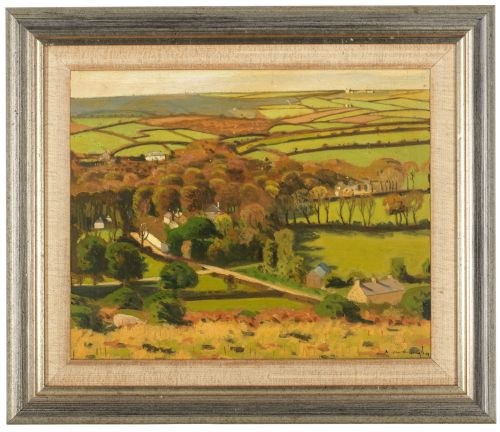
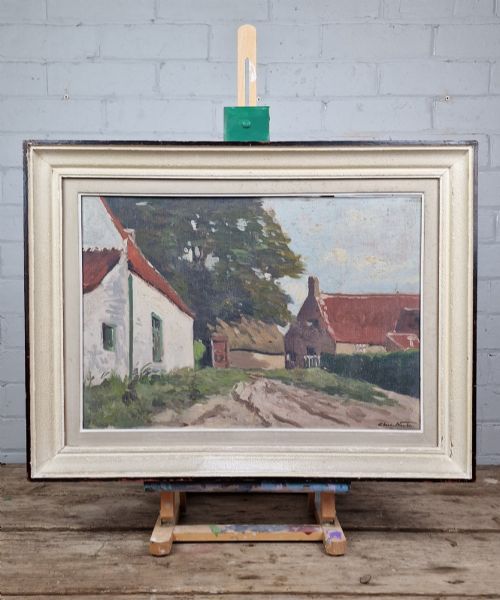
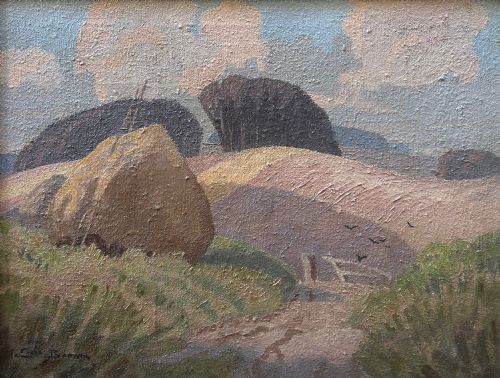
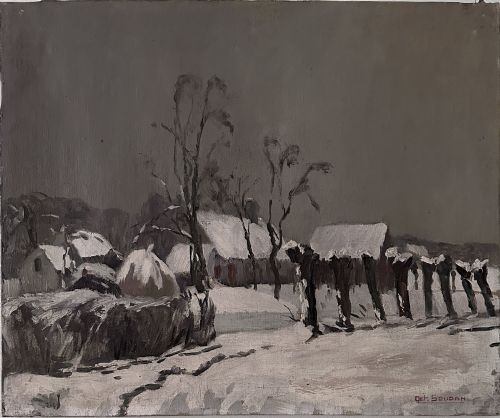
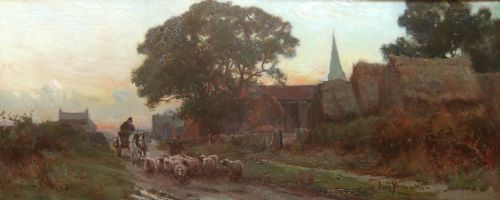
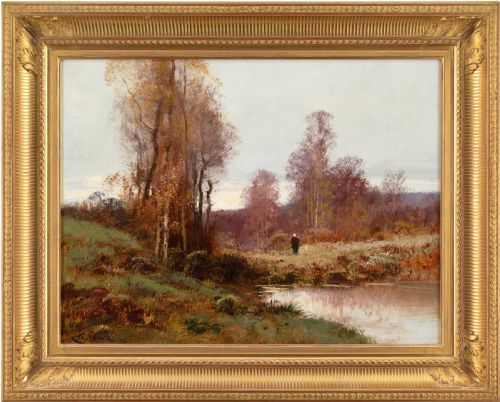
An impressionist rural landscape painting depicts countryside scenes such as farmyards, haystacks, and river banks using the loose brushwork and atmospheric light typical of the movement. When you browse this selection, you will encounter works spanning the nineteenth century through to the mid twentieth century, with a strong concentration of early twentieth century British and European examples.
The subjects focus heavily on traditional rural life, including working horses, sheep grazing, and agricultural labourers in settings ranging from Yorkshire valleys to French provincial villages. These pieces take the form of oils on canvas, oil on board, and watercolour paintings on paper, often presented in period frames.
How They Were Made
Artists painted primarily in oil paint or watercolour, applying pigment to stretched canvas, prepared wooden boards, or heavy paper to capture fleeting effects of light and weather in the open air.
The technique relies on visible, rapid brushstrokes rather than blended finishes, allowing the texture of the paint to convey movement in foliage, water, and clouds.
Regional British landscapes from Yorkshire and Nottinghamshire appear alongside French provincial and coastal scenes.
What Varies in Quality
Quality rests upon the confidence of the brushwork and the artist's ability to structure light and shadow across a natural scene without overworking the surface. Stronger examples display a decisive command of tone that gives depth to skies and solidity to rural buildings.
The distinction also lies in the handling of atmosphere, where superior works capture the specific chill of a winter snowfall or the warmth of eventide with economic economy of line and colour.
Herbert Royle·Robert Morson Hughes·Charles Houben·Ernest Higgins Rigg·Umberto Volpato·John Horace Hooper·Owen Bowen·Charles Clair·Edgar Woollatt·Harry Freckleton·Raimond Louis Lecourt·William JB Jenkins·Fred Lawson·Reginald Grange Brundrit·William Greaves·Ernest Pile Bucknall·John Atkinson·Willem Anton Alexander Knip·Majorie Hoare·Frederick W Jackson·William Grant Murray·James William Booth·George Soper
The Impressionist Rural Landscape Painting Glossary
- Impressionism
- A nineteenth century painting style focused on capturing the visual impression of the moment, particularly shifting light and open air conditions. It uses unblended brushstrokes and bright palettes.
- Post-Impressionism
- An artistic development that followed Impressionism, extending its use of vivid colours while placing greater emphasis on geometric forms and expressive qualities. Artists often applied heavier outlines and symbolic content.
- Watercolour
- A painting method where water soluble pigments are suspended in a water based solution, typically applied to paper. It allows for translucent washes of colour and rapid execution.
- Oil on Canvas
- A traditional medium involving pigment mixed with drying oil applied to a woven fabric surface stretched over a wooden frame. This combination allows for rich textures and deep colour saturation.
Impressionist Rural Landscape Painting: Frequently Asked Questions
What subjects appear in these paintings?
These works typically depict rural scenes such as farmyards, hayfields, rivers, and coastal countryside with animals and agricultural workers.
Common motifs include sheep grazing, working horses at troughs, winter snow views, and country cottages.
How do I care for an oil painting?
Keep oil paintings away from direct sunlight and damp environments to protect the canvas and pigment from degradation.
Dust the surface gently with a soft, dry brush and avoid using chemical cleaners or water.
How are watercolours best displayed?
Watercolour paintings on paper require framing behind glass with acid free mounts to prevent fading and paper discolouration.
Position them on interior walls away from direct sunlight to preserve the delicate pigments.
What periods do these paintings cover?
The selection spans the nineteenth century through the Victorian era and into the mid twentieth century, including the Edwardian period.
Most pieces date from the early decades of the twentieth century, reflecting the height of British and European impressionist landscape work.