



Impressionist River Landscape Art
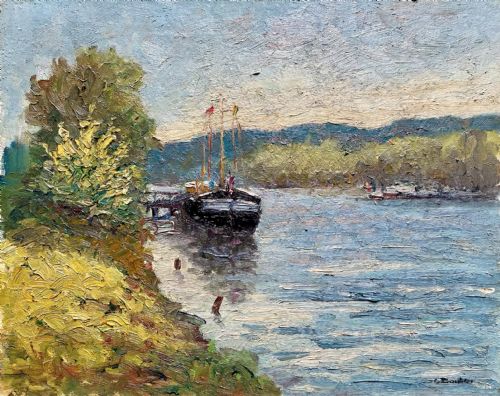
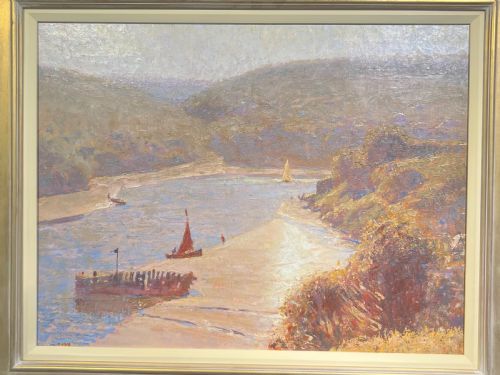
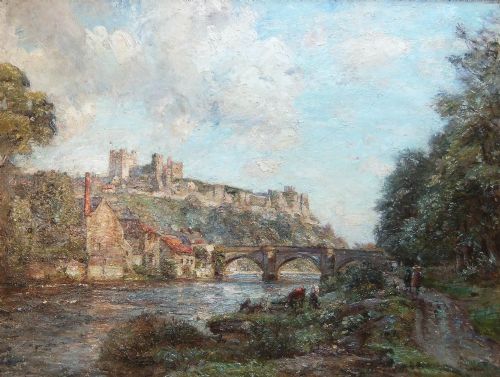
Impressionist river landscape art captures moving water and changing light through loose brushwork.
Impressionist River Landscape Art
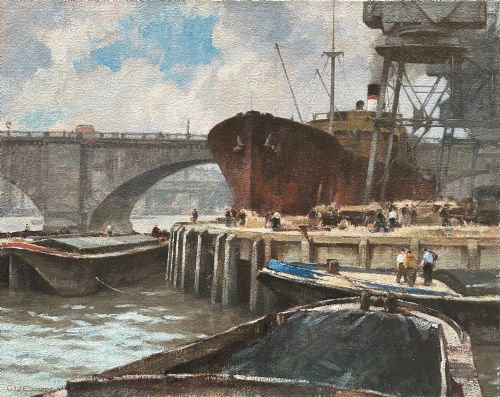
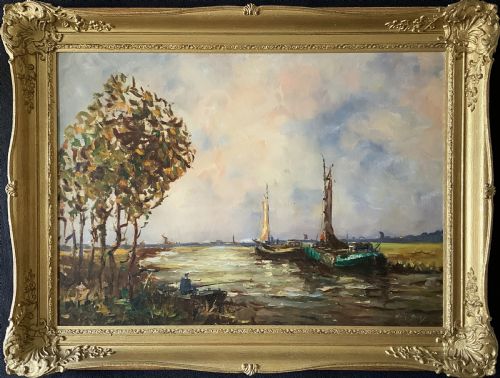
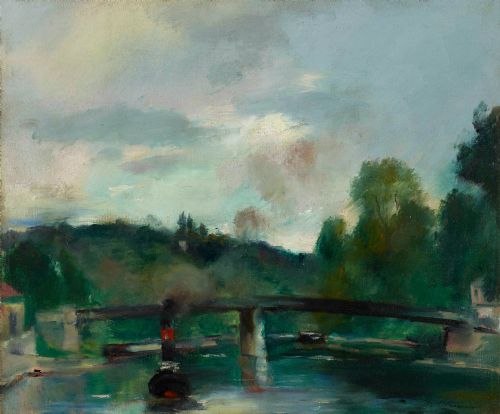
Impressionist river landscape art focuses on waterways, bridges, and banks rendered with visible brush strokes and atmospheric light. You will frequently encounter nineteenth-century and early twentieth-century canvases depicting French and British scenes.
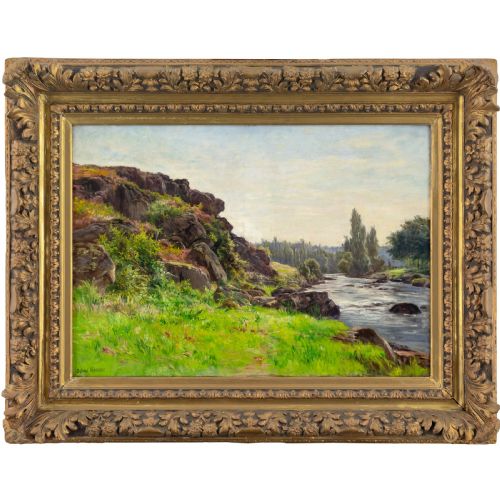
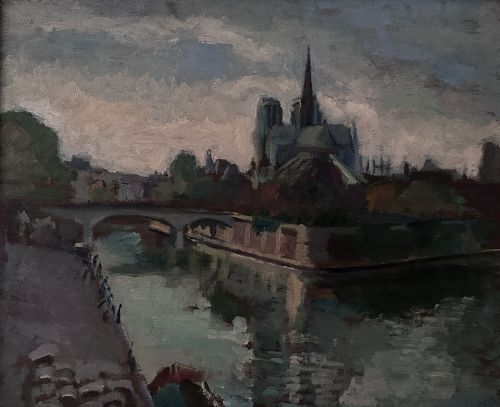
The selections range from quiet rural streams in Yorkshire and Normandy to urban waterways near London and Paris. Painters in these listings often recorded specific locales, from the Seine to canal networks.
Materials and technique
Artists painted primarily with oil paint on stretched canvas or prepared wood panels, building texture through varied application. Some works utilise watercolour paint on paper for a lighter, more translucent effect.
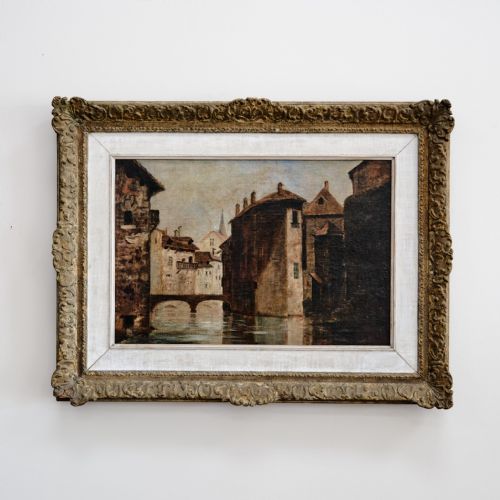
Many frames feature gesso mouldings finished with gilt wood, framing the oil paintings to reflect light across the surface.
Listings feature canvas, wood panels, and gilt wood frames across periods spanning the nineteenth and twentieth centuries.
Evaluating quality
Quality rests on the confidence of the brushwork and the artist's ability to render light reflecting off water without relying on rigid lines. A successful composition balances the atmospheric expanse of the sky with the movement of the river current.
The harmony of the palette distinguishes finer works, where subtle tonal shifts create depth rather than flat blocks of colour.
George Graham·Gabriel Mathieu·Willem Bos·Henri Ottmann·Sir Alfred East·Herbert Royle·Paul Desire Trouillebert·Florence Adelina Hess·John Horace Hooper·Hubert Wellington·Honore Cavaroc·Archibald Kay·Charles Clair·Henri Jaques Delpy·Sir David Murray·Arthur Reginald Smith·Mario Pinetti·Arthur Herbert Rigg·Ron Folland·Owen Bowen·David Watts·William Grant Murray·Maud Raphael Jones·Fred Stead
The Impressionist River Landscape Art Glossary
- Canvas
- A heavy woven fabric stretched across a wooden frame to serve as a support for oil paint. It provides a flexible, textured surface favoured by impressionist painters.
- Impasto
- Paint applied thickly to a canvas, standing out in relief from the surface. This technique allows brush marks to catch the light directly.
- Gesso
- A plaster-like mixture applied to wood panels or frames to prepare a smooth surface for painting or gilding. It seals the material before oil paint is applied.
- Barbizon School
- A mid-nineteenth-century French art movement focusing on realism and landscape painting en plein air. These artists influenced the development of later impressionist styles.
Impressionist River Landscape Art: Frequently Asked Questions
What subjects appear in these paintings?
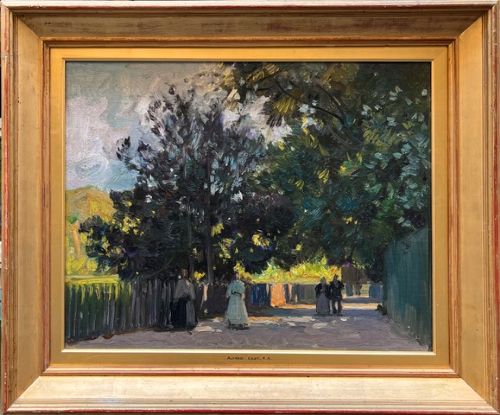
These works feature natural waterways, rural riverbanks, bridges, and city canals. Artists recorded figures fishing, walking along paths, or boats moored near the water.
Scenes frequently capture specific geographic locations in Britain, France, and the Netherlands during daylight or sunset.
How should I care for an oil painting?
Keep canvases away from direct sunlight and dramatic shifts in room temperature or humidity. This prevents the oil paint and wooden stretchers from warping or cracking over time.
Dust the surface gently with a dry, soft brush without applying pressure to the impasto layers.
How do I identify the period of a work?
Look to the stretcher frames, canvas stamps, and artist signatures recorded alongside the piece. Stylistic markers such as Barbizon realism or mid-century impasto also point toward specific decades.
Examine the back of the panel or canvas for old exhibition labels, inscriptions, or dealer stamps.
Where were these landscape scenes painted?
Painters worked both outdoors directly in front of the subject and inside studios using preliminary sketches. Many canvases depict identifiable spots along the River Seine, Yorkshire rivers, or Flemish canals.
Artists often travelled to specific rural or industrial waterways to capture changing light conditions.