


Impressionist Interior Oil Painting
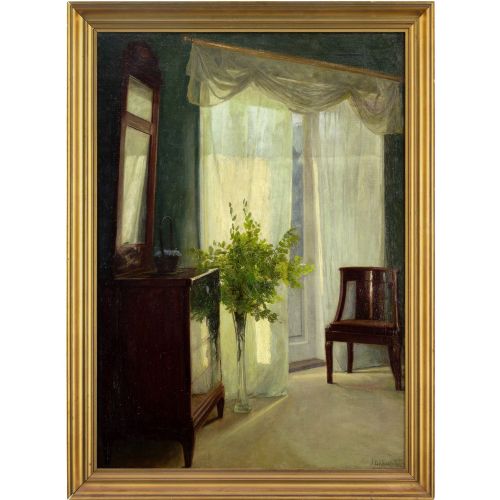
Impressionist interior oil painting works capture domestic light and quiet domestic scenes through loose brushwork and colour harmony.
Impressionist Interior Oil Painting
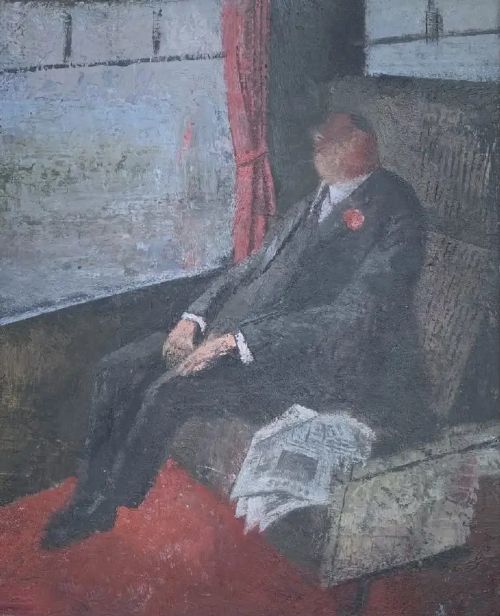
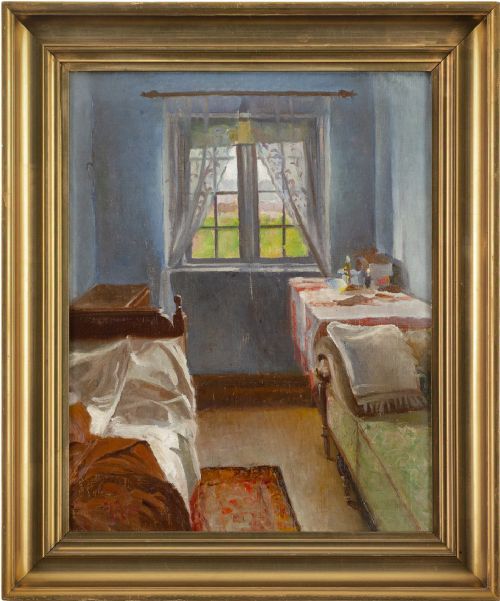
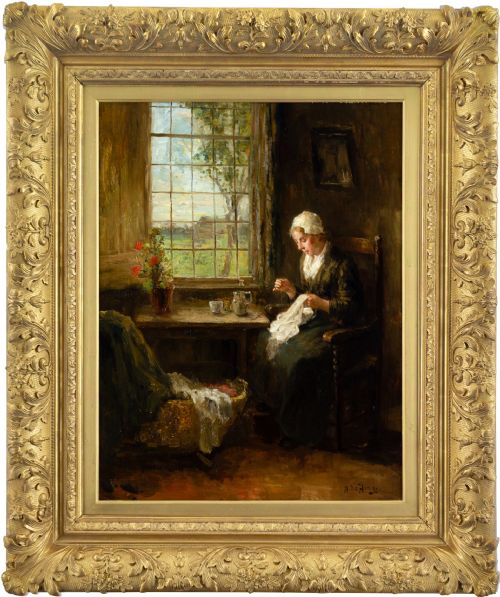
An impressionist interior oil painting portrays domestic spaces, quiet rooms, and intimate daily moments captured through painterly strokes and atmospheric light. When searching this phrase, buyers encounter works ranging from Edwardian and 1910s examples to mid-century pieces from the 1940s and 1950s.
The selection includes British School works, Scandinavian realism, and pieces by continental European and South African artists. Common forms encompass bedroom interiors, cottage dining rooms, and sunlit garden doors rendered in oil on canvas or oil on paper.
How they were made
Artists painted primarily in oil on canvas, and occasionally on paper or board, using fluid brushwork to build texture and depth. Many works employ luminist, pointillist, or colourist techniques to render interior light, shadows, and reflective surfaces.
Framing often involves wood and gilt wood finished with gold leaf, complementing the palette of the canvas within. The physical construction relies on stretched canvas secured to traditional wooden frames.
Materials across the inventory span oil on canvas, oil on paper, and wood frames accented with gold leaf and gilt wood.
What varies in quality
Quality rests in the handling of light and space, where skilled brushwork creates convincing atmosphere rather than rigid architectural precision. The depth of the colour palette and the confidence of the composition distinguish more accomplished works from simpler student exercises.
The integration of the frame, frequently gold leaf or gilt wood, also contributes to the overall presentation. Stronger pieces demonstrate a cohesive vision between the domestic subject and the painterly execution.
John Lübschitz·Harry Kluge·Bernard De Hoog·Roland Batchelor·Ruth Prowse·Maud Frances Eyston Sumner·John Exley
The Impressionist Interior Oil Painting Glossary
- Post-Impressionism
- An artistic movement developing from impressionism that focuses on expressive forms and symbolic use of colour. It forms a key stylistic root for many twentieth-century domestic scenes.
- Luminist
- A style emphasising the effects of light on landscape and interior surfaces. Luminist interior paintings pay careful attention to sunlight entering through windows and doors.
- Pointillism
- A technique of painting in which small, distinct dots of colour are applied in patterns to form an image. In interior scenes, this approach builds textured patches of light and shadow.
- Gilt Wood
- Wood that has been covered with a thin layer of gold leaf or gilt powder. It is commonly found on traditional frames housing twentieth-century oil paintings.
- Intimist
- An artist who paints intimate domestic interior scenes of everyday life. Such works often depict quiet rooms, tea hours, and bedroom interiors.
Impressionist Interior Oil Painting: Frequently Asked Questions
What periods do these paintings cover?
The works span from the Edwardian era through the 1910s, 1920s, 1930s, and 1940s up to the 1950s. They reflect various regional developments including British modernism and South African impressionism.
Each period brings distinct framing choices and handling of light, from luminist pointillism to bolder colourist still lifes.
How were these interior scenes used?
These paintings were created as fine art for domestic display, capturing private spaces like bedrooms, cottage dining rooms, and artist studios. They served to bring the outside light and domestic intimacy into a home.
Collectors hung them in reception rooms and studies where the play of interior light could complement the room's atmosphere.
How do I live with an oil painting?
Oil paintings on canvas require stable indoor humidity and protection from direct, harsh sunlight to preserve the pigments and the canvas. Placing them away from direct heat sources ensures the wood and canvas remain stable.
Regular light dusting with a soft, dry brush keeps the surface clear without risking the painted layers.
How do I tell different styles apart?
Styles range from Scandinavian realism and Hague School traditions to art deco period interior scenes and post-impressionist works. Examining the brushwork reveals whether the artist favored smooth realism or broken, impressionistic dabs of colour.
Subject matter also guides identification, shifting from formal studio setups to casual moments like tea hours and garden doorways.