


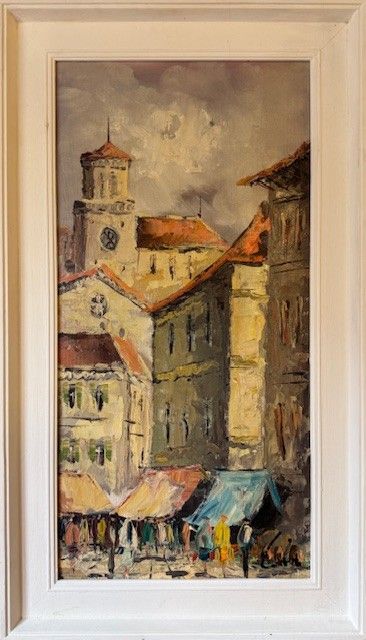


Impressionist Cityscape Painting
Impressionist cityscape painting captures bustling streets and quiet canals through rapid brushwork, offering a timeless window into historic urban life.
Impressionist Cityscape Painting
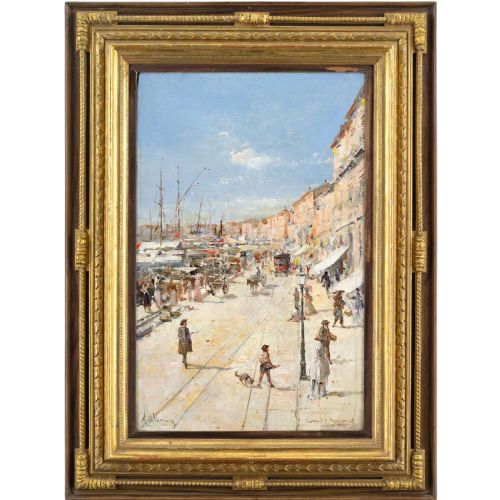
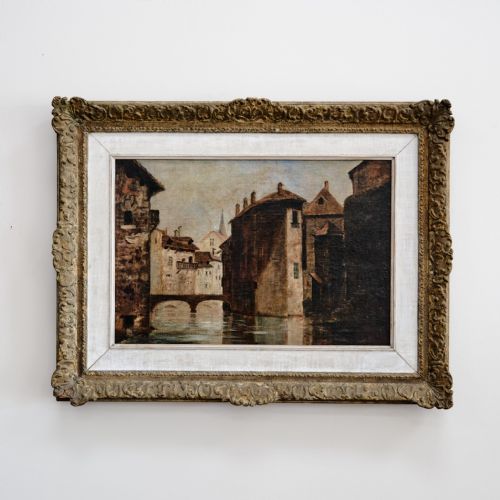
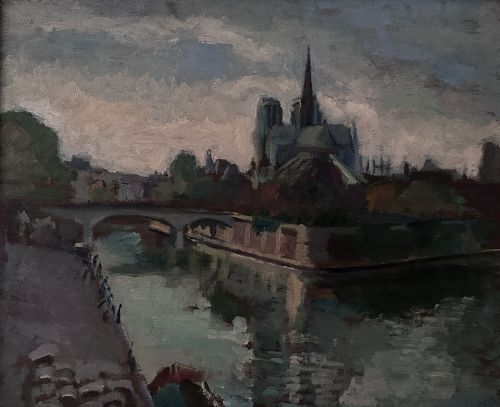
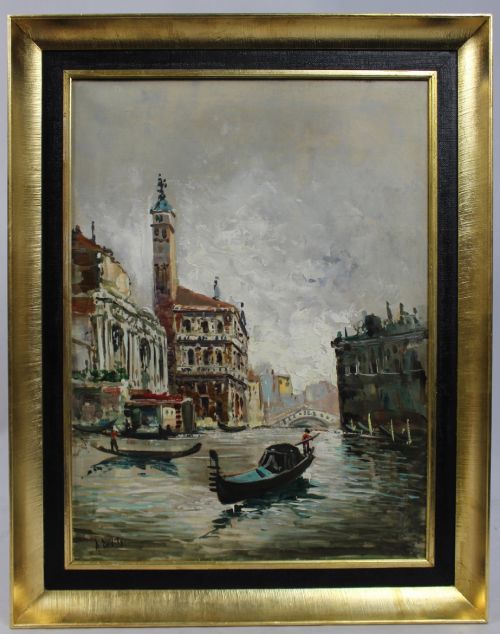
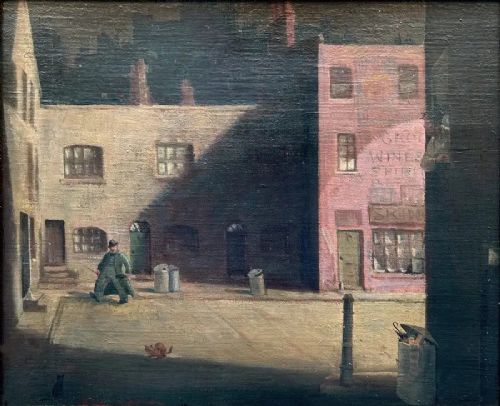
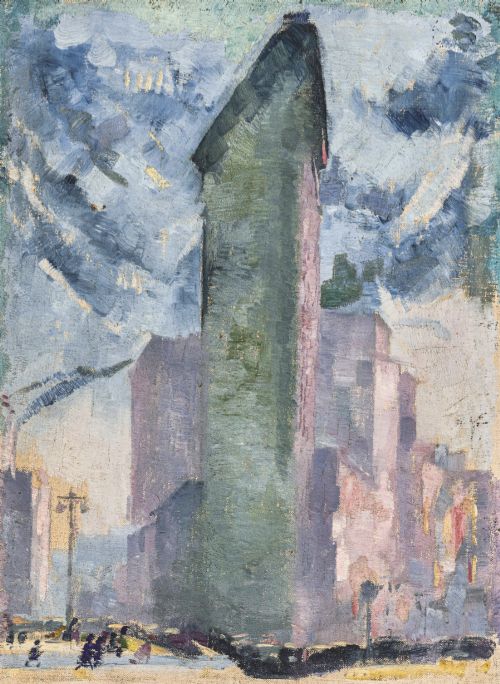
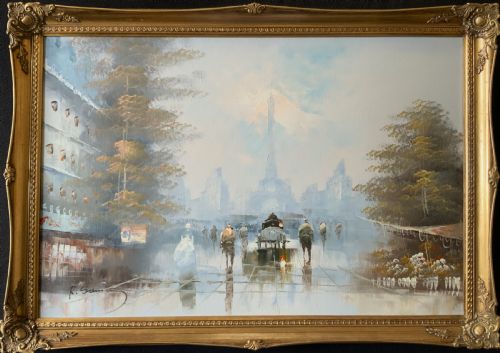
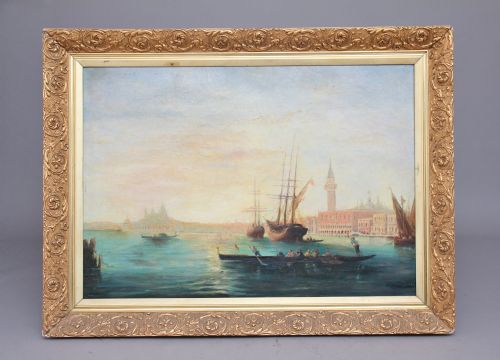
An impressionist cityscape painting records the animated atmosphere of urban centres, focusing on bustling streets, architectural landmarks, and watery Venetian vistas.
The selections available range from 19th century depictions to mid-century interpretations, spanning styles such as French Impressionism and Post-Impressionism.
Buyers frequently encounter works featuring iconic urban locations such as Paris, London, and Venice, executed across various decades from the 1900s onwards.
Materials and Construction
Artists primarily utilised oil paint applied to canvas or board, allowing for rich textures and deep pigment layering.
Support materials frequently include wood panels and heavy paper, often paired with traditional gesso and giltwood framing.
Watercolour paintings on paper also appear alongside oil works, demonstrating varied approaches to capturing light and atmosphere.
Listings span from the 19th century through to the mid-20th century, encompassing oil on canvas, watercolour, and oil on board.
Distinctions in Quality
Quality rests upon the artist's handling of light, shadow, and atmospheric depth, distinguishing accomplished compositions from standard street scenes.
The vitality of the brushwork and the harmony of the palette determine the overall success of the piece, whether executed in oil or watercolour.
Augusto Alberici·Antonio DeVity·Francisco Sancha·Alfred Wolmark·Caroline Burnett·Paul-Jean Anderbouhr·Victor Gabriel Gilbert·Fred Lawson·Ron Folland·Merio Ameglio·E A Minardo·Claude Jousset·Marc Aldine·Antoine Bouvard Senior·Eduard Leon Cortes·Vittore Zanetti Zilla·Job de Vogel·Pauline Boumphrey·Emanuele Cappello·Henry Wimbush
The Impressionist Cityscape Painting Glossary
- Impressionism
- A 19th-century art movement characterised by relatively small, thin yet visible brush strokes and an emphasis on accurate depiction of light.
- Giltwood
- Wood that has been coated with gold leaf or a similar thin gold finish, commonly used for traditional picture frames.
- Gesso
- A plaster-like mixture used as a smooth base for painting or within frame construction before gilding.
- Post-Impressionism
- A predominantly French art movement that developed from Impressionism, extending its boundaries while rejecting its limitations.
Impressionist Cityscape Painting: Frequently Asked Questions
What subjects do these paintings feature?
These works typically depict bustling urban scenes, river views, and architectural landmarks. Popular motifs include Parisian boulevards, Venetian canals, and London bridges.
Artists aimed to capture the fleeting moments of daily life and changing light in these metropolitan environments.
How should I frame an antique painting?
Many pieces come in their original giltwood or decorated frames, which complement the period of the artwork. Preserving these historic frames maintains the integrity of the piece.
When framing unmounted canvases, select period-appropriate wooden moulding that enhances the depth of the oil paint.
How do I care for an oil painting?
Keep paintings away from direct sunlight and fluctuating temperatures to protect the canvas and oil pigments. Dust the surface gently with a soft, dry brush.
Avoid using liquid cleaners or hanging the artwork in damp environments like kitchens or unventilated rooms.
How can I tell the period of a painting?
Dating relies on stylistic clues, framing materials, and artist signatures recorded in the listing details. Mid-century works often show brighter palettes and looser brushwork compared to earlier Victorian pieces.
Examining the canvas backing and stretcher bars can also provide hints regarding the age of the materials used.