





Impressionist Architectural Painting
Impressionist architectural painting captures city squares, cathedrals and canals through lively brushwork and atmospheric light.
Impressionist Architectural Painting
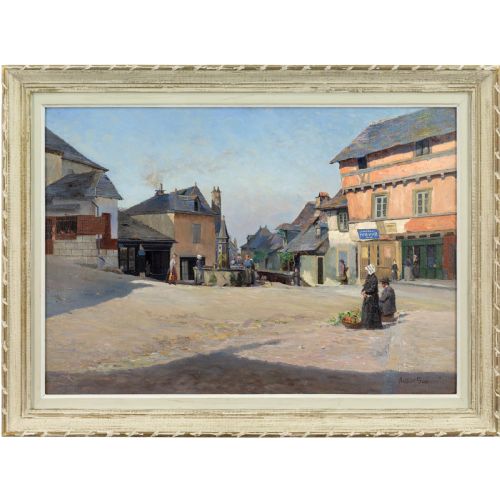
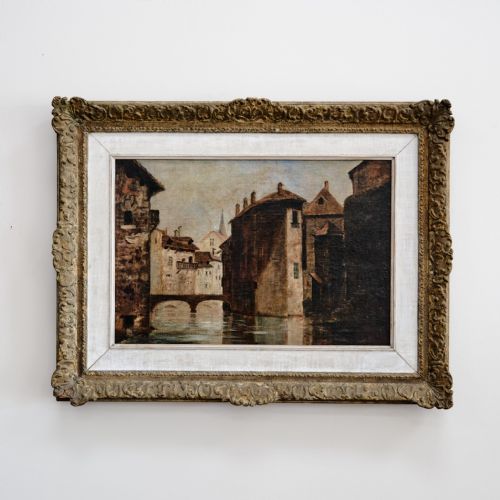
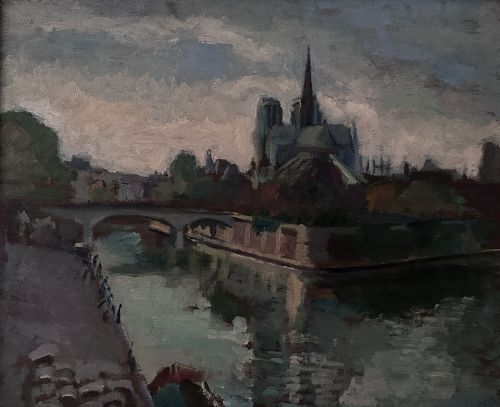
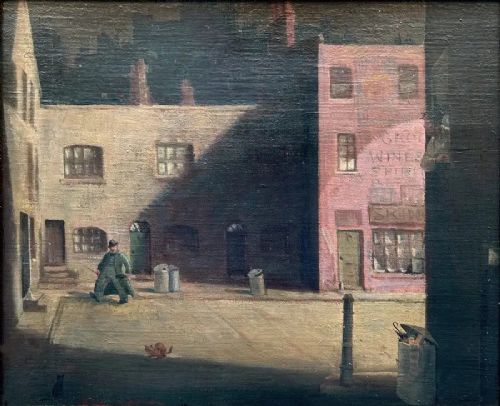
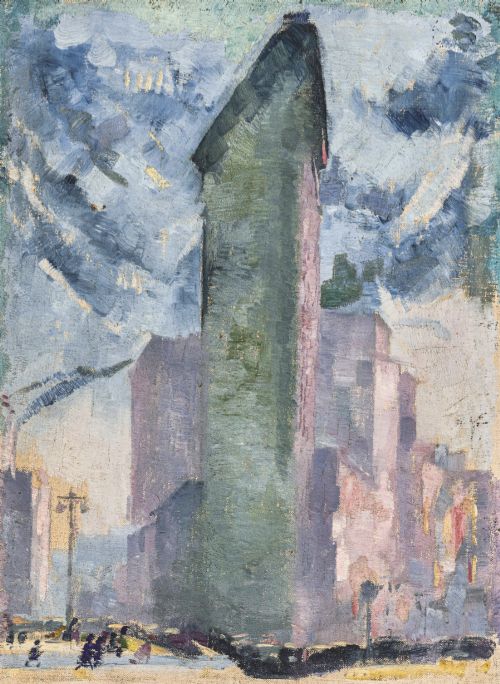
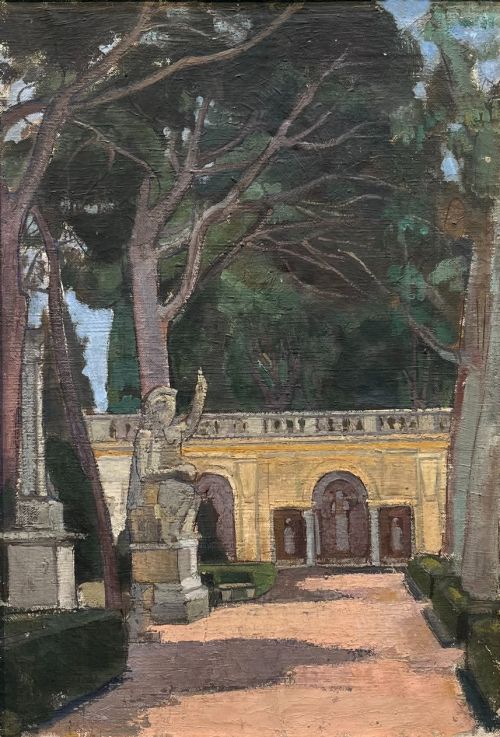
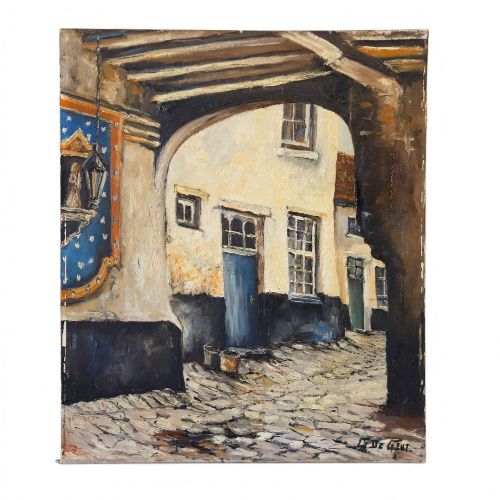
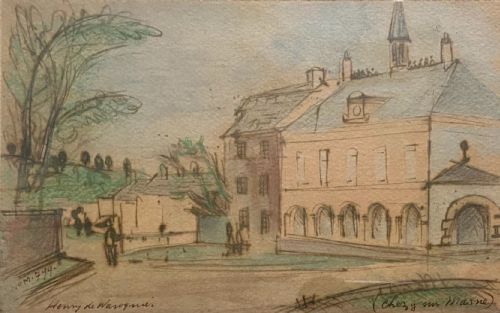
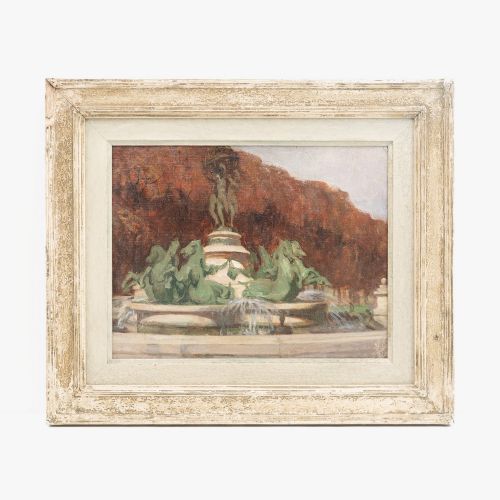
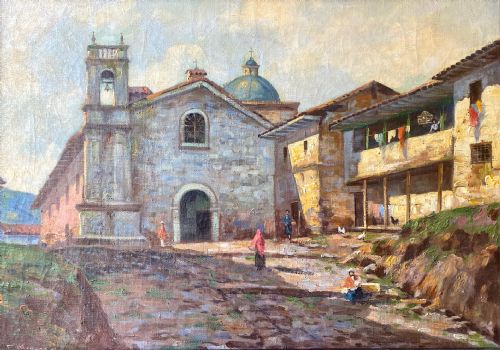
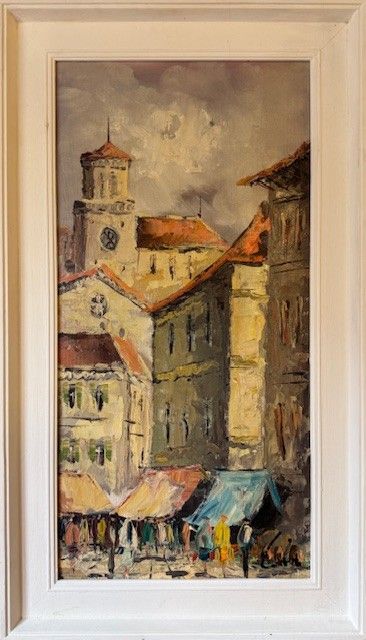
An impressionist architectural painting focuses on buildings, street scenes, cathedrals and city squares rendered through loose brushstrokes and an emphasis on changing light. The selection spans from the nineteenth century through to the mid-twentieth century, capturing urban and rural structures alike.
The most common formats you will encounter on this page are oil on canvas, oil on board and watercolour on paper. These works depict specific locations ranging from London and Paris to Venice and Rome, often incorporating figures within town squares or beside bridges.
Works originate from various schools including British, French and Flemish traditions, showcasing styles from Post-Impressionism to Edwardian and Mid-Century Modern. Subject matter frequently centres on notable civic landmarks, cathedrals and market squares.
Materials and technique
Artists utilise oil paint on canvas, board or panel to build rich textures and vibrant light effects across stone facades and public plazas. Watercolours on paper appear frequently, capturing transparent washes of atmosphere and light in cityscapes.
Prepared grounds such as gesso support the paint layers on wooden panels and canvases, whilst framing preserves the integrity of paper and canvas works. Brushwork remains visible and energetic, prioritising overall mood over rigid architectural drafting.
Venetian canals and bustling market squares appear repeatedly, proving artists across generations simply cannot resist painting a bridge.
Assessing quality in the medium
Quality rests upon the artist's ability to handle light and atmosphere across built structures rather than strict adherence to architectural perspective. Stronger examples convey movement, shadow and the buzz of public spaces with confident, deliberate brushstrokes.
The choice of support and the preservation of the paint surface influence the longevity and visual impact of each work. Superior pieces balance the rigidity of stone and brick with a fluid, luminous handling of the surrounding air.
Arthur Gué·Francisco Sancha·Alfred Wolmark·Henry de Waroquier·Alexander Jamieson·Paul-Élie Gernez·Victor Gabriel Gilbert·Ron Folland·Caroline Burnett·Rowland Henry Hill·Charles James Lauder·Vittore Zanetti Zilla·Joseph W Milliken·Armand Guillaumin·Job de Vogel·Hercules Brabazon Brabazon·Robert Lesley Howey·Emanuele Cappello
The Impressionist Architectural Painting Glossary
- Canvas
- A heavy woven fabric stretched across a wooden frame to serve as a support for oil paint.
- Gesso
- A plaster mixture applied to wood panels or canvas to prepare the surface for painting.
- Post-Impressionism
- An artistic movement extending impressionist techniques with a greater emphasis on symbolic content and structural form.
- Watercolour
- A paint consisting of pigment suspended in a water-based solution, typically applied to paper.
- Oil on board
- A painting technique where oil colours are applied directly to a rigid wooden or cardboard substrate.
Impressionist Architectural Painting: Frequently Asked Questions
What is an impressionist architectural painting?
These works depict buildings, streets, cathedrals and monuments using loose brushwork and vibrant light rather than precise technical drafting.
They capture the atmosphere of specific locations from the nineteenth and twentieth centuries, often showing everyday life unfolding around civic landmarks.
Where were these townscapes painted?
Artists painted scenes across various European locations, frequently focusing on major cities like Paris, Venice, London and Rome.
Subjects range from grand cathedrals and busy market squares to quiet country houses and Flemish streets.
How do I date these paintings?
Dating relies on stylistic markers within the brushwork, framing methods, and signatures or biographical records of the artists.
Most examples on this page span from the late nineteenth century through to the mid-twentieth century, reflecting changing modernist approaches.
How should I display these works?
Works on canvas and board benefit from traditional frames that protect the edges whilst complementing the period aesthetic.
Watercolours on paper require framing behind glass away from direct sunlight to preserve the pigments and paper support.