





Impasto Oil Portrait
Impasto oil portrait paintings combine thick pigment with human subjects, offering tactile surfaces and psychological depth that collectors value.
Impasto Oil Portrait
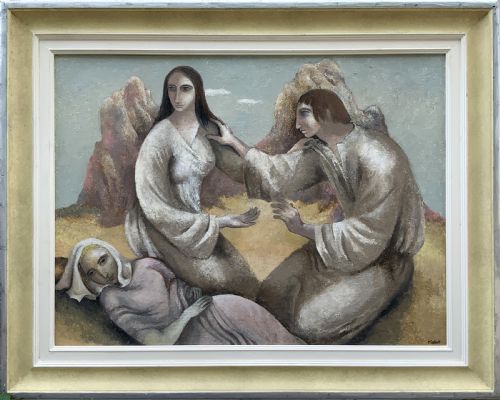
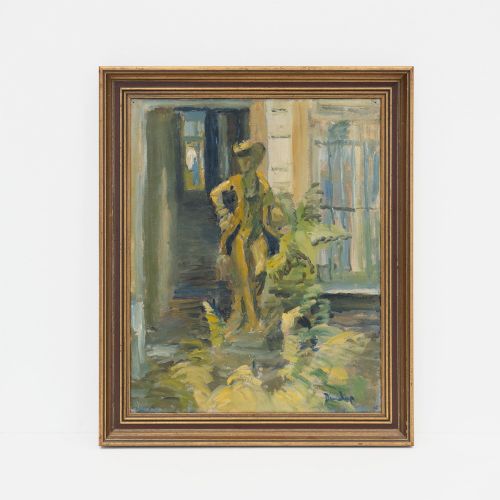
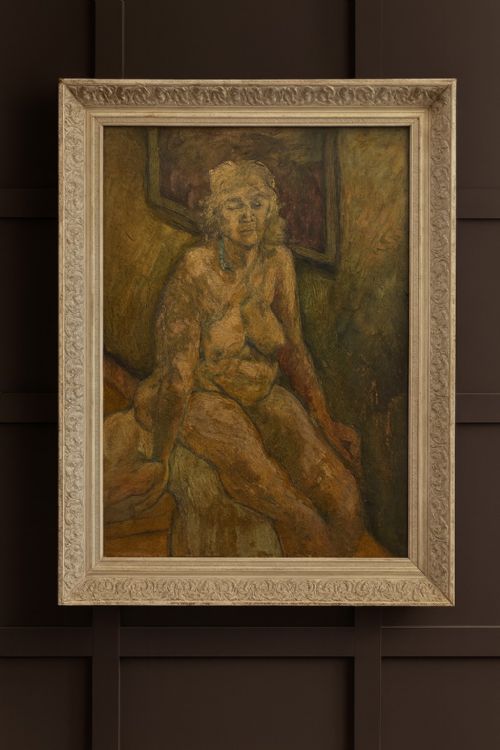
An impasto oil portrait is a painting executed with thick, raised applications of oil paint that leave visible brush marks and pigment ridges. The works span from the late nineteenth century through to the mid-twentieth century, capturing human subjects, children, self-portraits, and nudes.
Buyers will encounter various stylistic approaches on this page, including Impressionism, Post-Impressionism, Expressionism, and Mid-Century Modernist interpretations. These pieces originate from diverse European and American hands, often presented within wood frames and sometimes enhanced with gilt.
How they were made
Makers built these surfaces using oil paint applied heavily onto wooden boards or stretched canvas supports. Artists loaded brushes and palette knives with pigment, laying down thick, deliberate strokes that retained their three-dimensional shape as the oil dried.
The structural foundation relied on timber frames, occasionally finished with gilt, to support and display the heavy painted surfaces. Painters balanced fluid binders with dense mineral pigments to ensure the raised impasto areas held their peaks without slumping.
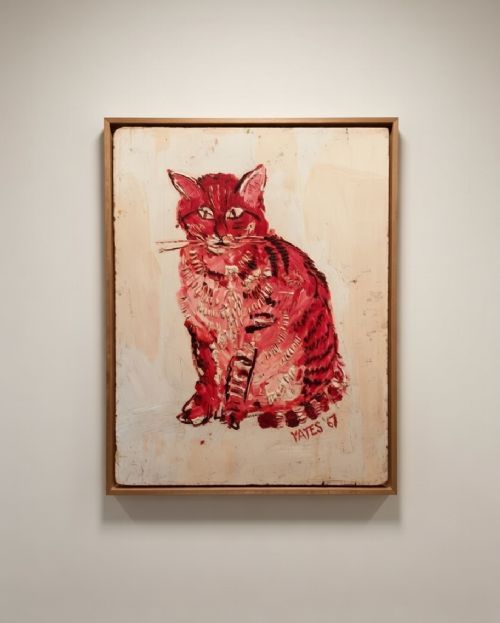
Animals occasionally share the canvas with humans, including cats, birds, and even a whimsical lion.
What varies in quality
Quality rests in the purposeful handling of thick pigment, where the topography of the brushwork directly reinforces the expression of the sitter. Superior examples demonstrate a confident control of heavy paint that builds form and light simultaneously, rather than mere surface congestion.
The depth of characterisation in the subject separates finer works from routine studio pieces. Strong composition and a assured sense of colour harmony elevate the psychological weight of the portrait.
Christine Nesbit·Ronald Ossory Dunlop·Gaetan Dumas·Baruch Shalom Oskotsky·Fred Yates·Pinchus Krémègne·Raymond Arthur Roadnight·Lucy Kemp-Welch
The Impasto Oil Portrait Glossary
- Impasto
- Paint applied thickly to a canvas or board, standing out from the surface so that the marks of the brush or palette knife remain visible. This technique adds tactile dimension and catches light across the painted plane.
- Oil on board
- A painting execution where pigment is applied to a rigid wooden panel rather than flexible woven fabric. This support provides a firm resistance against which heavy impasto can be pressed.
- Post-Impressionism
- An artistic movement following Impressionism that prioritised expressive forms, symbolic colour, and structural brushwork over naturalistic rendering. Works in this vein emphasise personal emotional response.
- Gilt
- A thin layer of gold leaf or gold-coloured pigment applied to wooden picture frames. It provides a reflective border that isolates the painted portrait from its surrounding wall.
Impasto Oil Portrait: Frequently Asked Questions
What is an impasto oil portrait?
An impasto oil portrait is a painting where the artist applies oil paint in thick, heavy layers, allowing brushstrokes and knife marks to stand proud of the canvas.
This technique gives the artwork a physical, sculptural quality that captures light and creates deep shadows across the surface of the face.
How should I hang these paintings?
These works require secure wall fixings because the wooden frames and thick pigment layers add substantial weight to the overall piece.
Position the painting away from direct sunlight to protect the oil pigments and maintain the stability of the canvas or wooden board support.
How do I identify mid-century styles?
Mid-century modernist and expressionist portraits often feature simplified facial planes, bold brushwork, and non-naturalistic colour palettes that focus on emotion.
The framing and underlying materials, such as specific types of canvas stretchers and mid-century board preparations, help confirm the period.
Are these works signed?
Many portraits feature signatures or initials inscribed by the artist directly into the wet paint or marked clearly in the lower corners.
Documentation on the reverse of the board or canvas often provides additional clues regarding the sitter, date, or origin.