


Impasto Landscape Canvas Art
Impasto landscape canvas art brings rich texture and tactile depth directly to the surface of the painting.
Impasto Landscape Canvas Art
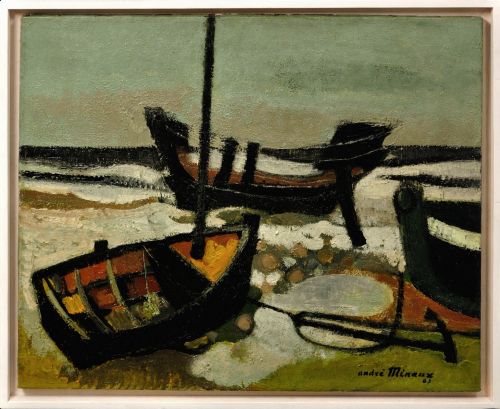
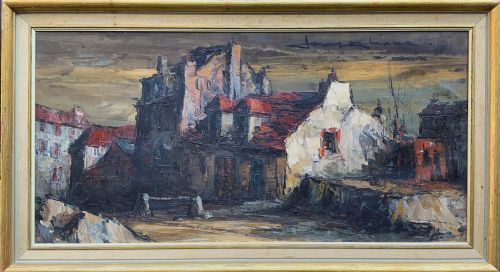
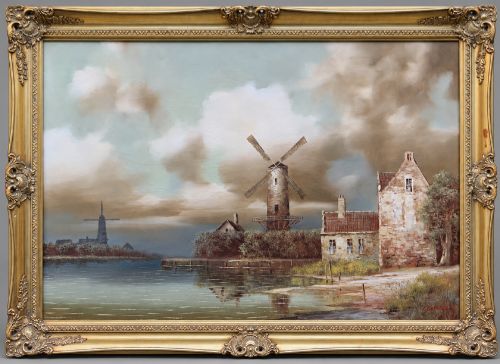
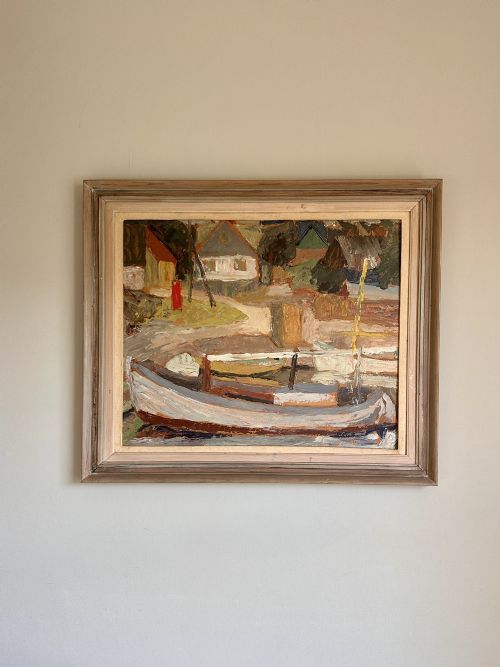
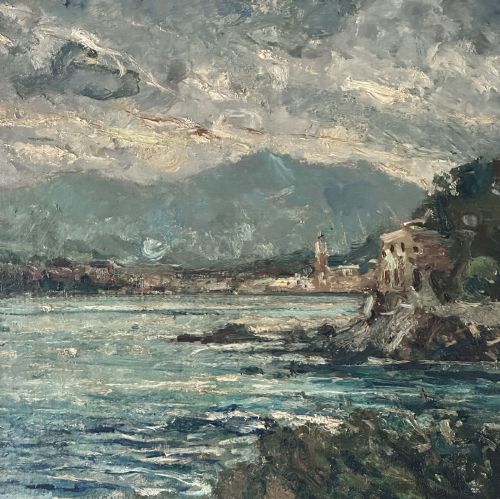
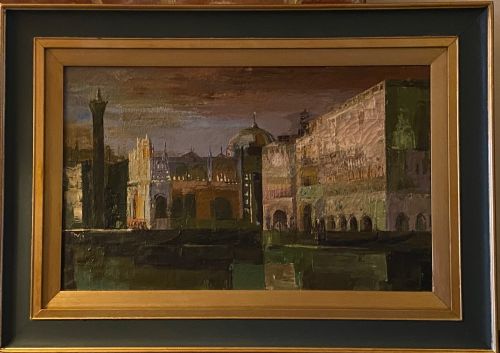
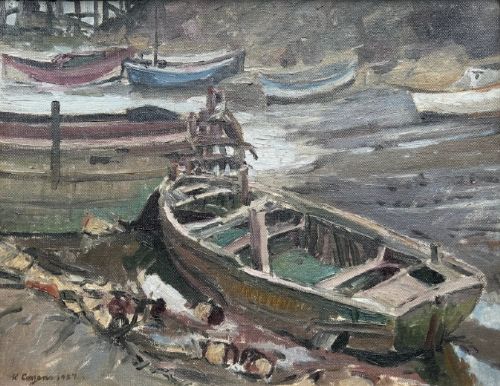
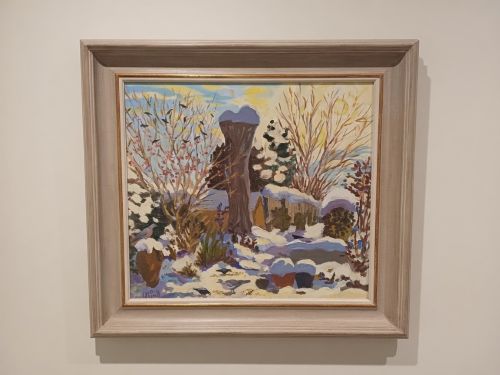
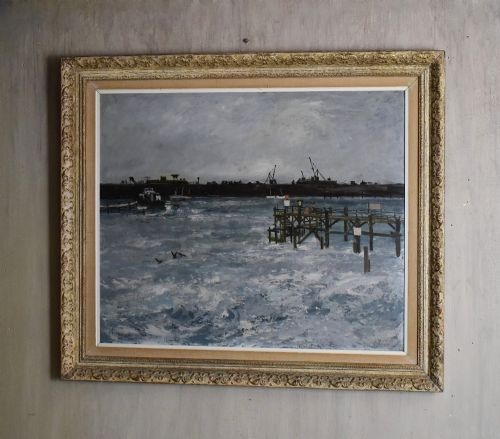
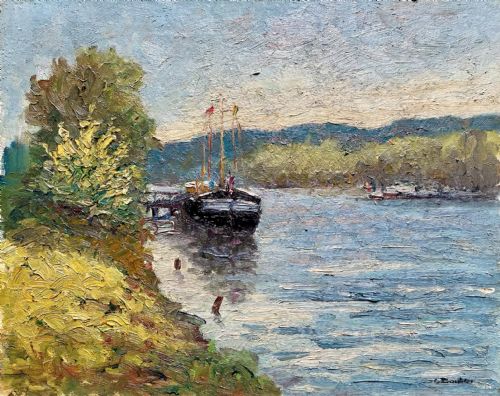
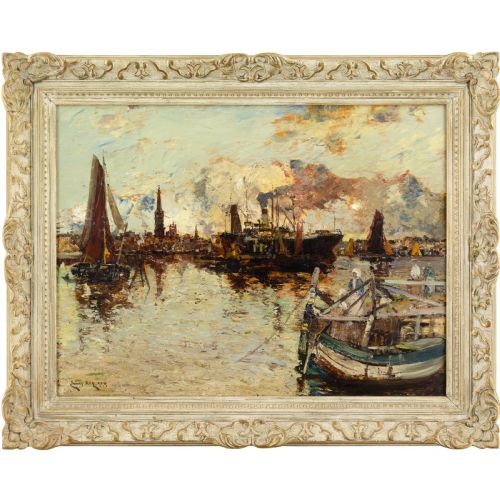
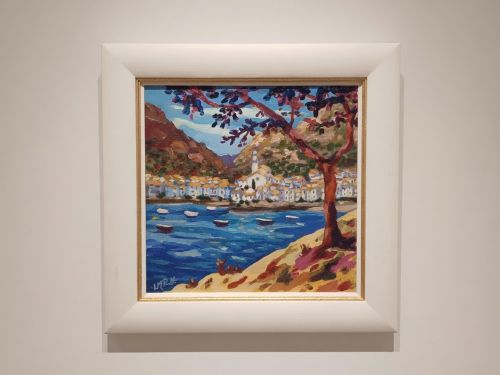
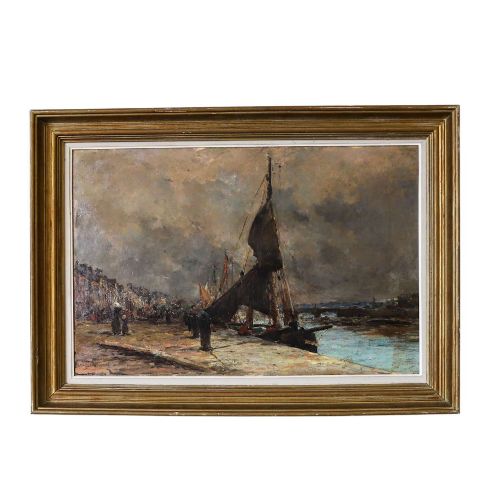
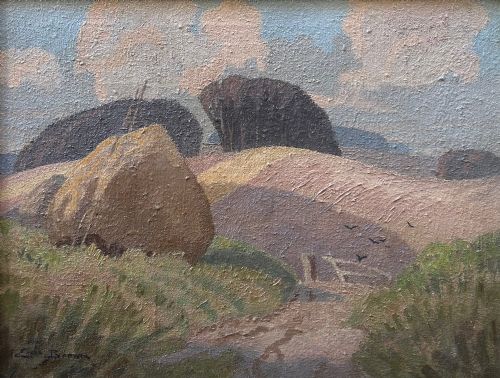
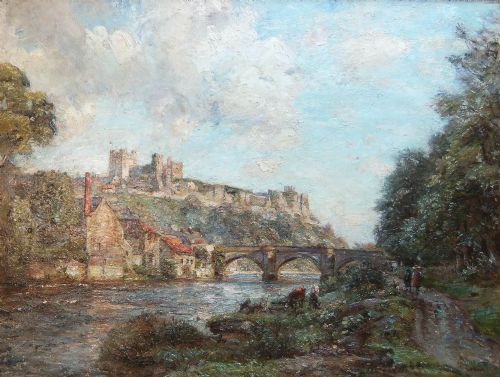
Impasto landscape canvas art consists of paintings where thick paint creates a raised, three-dimensional texture on the canvas. When searching this phrase, collectors encounter works ranging from early twentieth-century British coastal scenes to mid-century continental townscapes. These pieces capture light and movement through heavy brushwork and palette knife application.
The selections span various periods including the nineteenth century, the 1920s, and the 1960s, reflecting impressionist and post-impressionist movements. Many works portray harbours, rivers, gardens, and city streets from Britain and France. Buyers frequently find framed oil paintings on canvas or board that highlight expressive handling of pigment.
Materials and Techniques
Artists built these surfaces primarily using oil paint applied thickly onto canvas or board, often supported by a wood frame. The heavy application leaves visible ridges and peaks from brushes or palette knives, which catch the light and add physical depth to the landscape.
Makers utilised the slow-drying properties of oil medium to manipulate texture across the pictorial plane, allowing colours to sit side by side or blend directly on the support. This method prioritises tactile surface quality alongside visual representation of natural and urban environments.
Impasto Landscape Canvas Art Retail Price Guide 2026
Typical asking prices for impasto landscape canvas art among the pieces listed under this phrase on Sellingantiques today, from the lower quarter to the upper quarter. They describe what is for sale here now, not the wider market.
Listings feature oil paintings on canvas and board from periods spanning the nineteenth century through the 1960s.
Evaluating Quality and Execution
Quality rests in the harmony between heavy texture and compositional clarity, where the thickness of the paint serves the atmosphere of the scene rather than masking a weak structure. Superior examples demonstrate a confident control over the palette knife or brush, creating deliberate ridges that articulate light on water, stone, or foliage.
The distinction also lies in the artist's ability to balance the weight of thick pigment with a coherent sense of space and perspective. Pieces executed with assured handling maintain their vitality across the entire surface, whereas lesser works may rely on heavy paint application without structural purpose.
Kenneth Cozens·James Kay·Lucy Pratt·Peter Brannan·Eric Brown·Donald McIntyre·Herbert Royle·Lilian Colbourn·Ronald Ossory Dunlop·Helen Layfield Bradley·Jean-Baptiste Olive·Raymond Picque·Gabriel Dauchot·Cecil Rochfort D'Oyly-John·Caroline Burnett·Mercedes Legrand·Phyllis Morgans
The Impasto Landscape Canvas Art Glossary
- Impasto
- A technique where paint is laid onto a canvas in very thick layers, usually thick enough that the brush or painting-knife strokes are visible. This creates a tactile surface that catches light differently than flat paint.
- Post-Impressionism
- An art movement developing roughly between 1886 and 1905 that extended impressionism while rejecting its limitations. Artists painted with vivid colours and distinct brushstrokes.
- Board
- A rigid wooden or composite panel used as a painting support instead of stretched fabric. Painters often applied oil directly to this surface.
- Gilt frame
- A wooden picture surround covered with a thin layer of gold leaf or gold-coloured pigment. These frames frequently accompany nineteenth and twentieth-century oil paintings.
Impasto Landscape Canvas Art: Frequently Asked Questions
What is impasto paint?
Impasto paint is applied thickly to a canvas or board, standing out in relief from the plane. This allows the texture of the brushstrokes or palette knife to remain visible once dry.
Artists utilised this method to capture the dynamic play of light on water, clouds, and architectural surfaces in landscape subjects.
How do I clean an oil painting?
Oil paintings on canvas require careful handling to avoid disturbing the thick pigment of impasto layers. Dust should be removed gently using a soft, dry brush without applying pressure.
Professional conservators should handle deeper cleaning or varnish removal to protect the integrity of the original paint surface.
Are these paintings stretched on wood?
Many works use canvas stretched over a wooden frame, while others are painted directly onto rigid board supports. Both methods were common across the nineteenth and twentieth centuries.
Framing often includes wood or gilt surrounds that complement the era and style of the specific artwork.
How can I date a landscape painting?
Dating relies on stylistic clues, framing materials, artist signatures, and the type of support used for the pigment. Mid-century works often display distinct modernist or impressionist tendencies characteristic of the 1950s and 1960s.
Inscribed signatures, labels on the reverse, and historical records help confirm the precise period of creation.