

Impasto Landscape Art
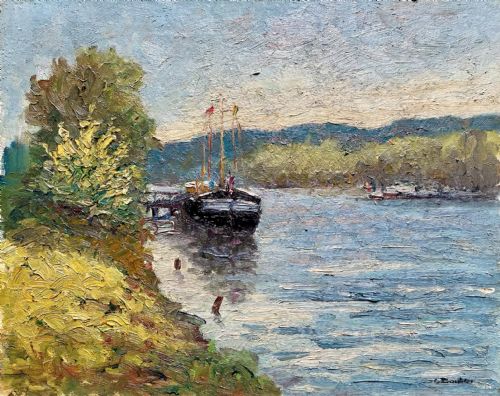
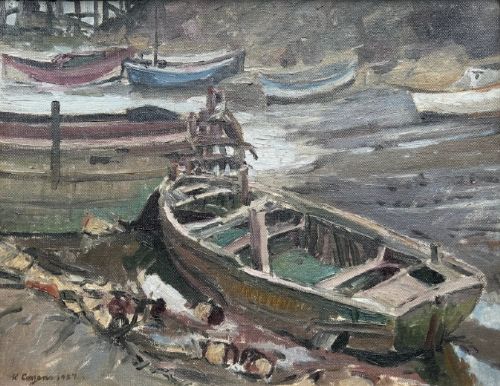
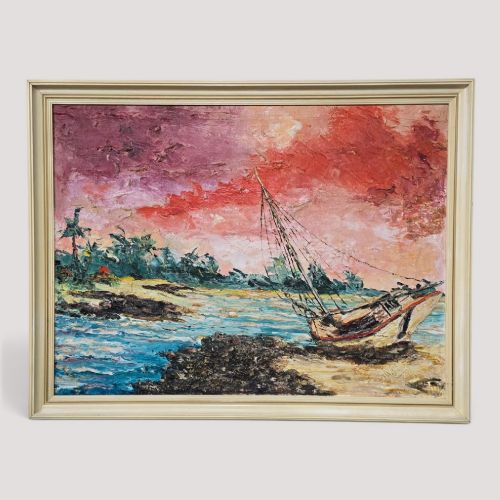
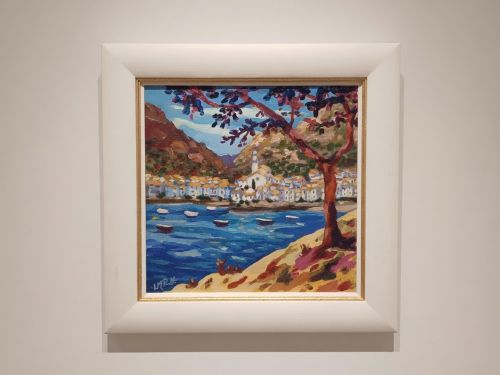
Impasto landscape art brings tactile depth and vibrant colour to walls through heavily textured oil paint applied directly to canvas or board.
Impasto Landscape Art
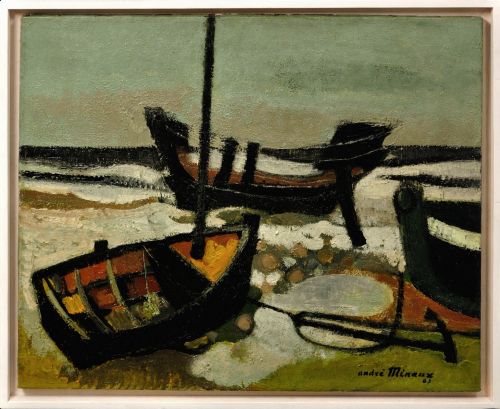
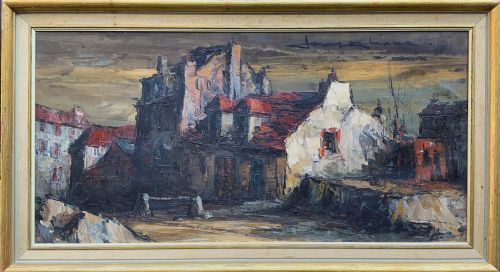
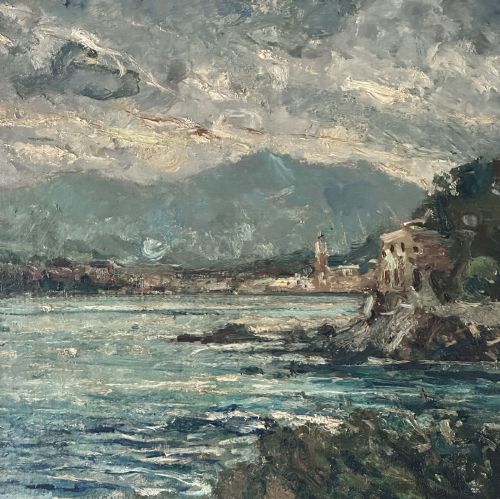
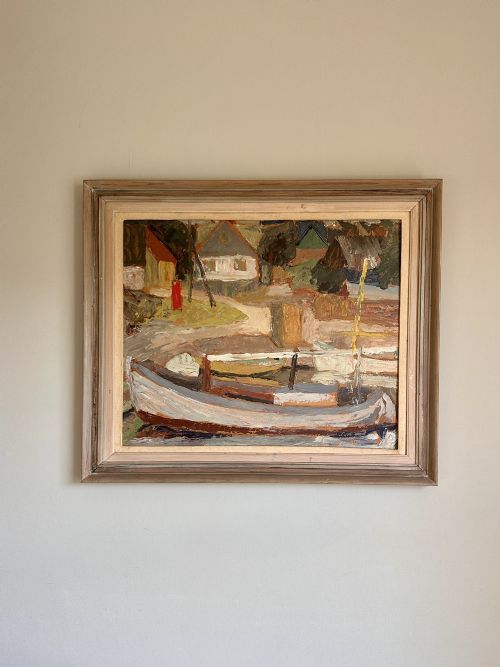
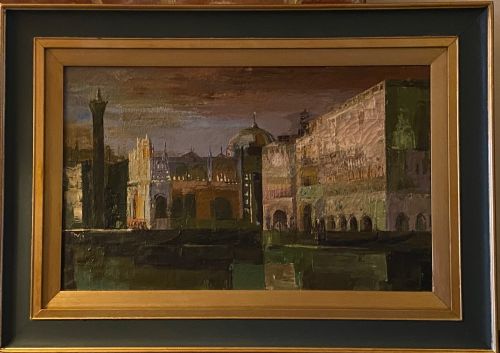
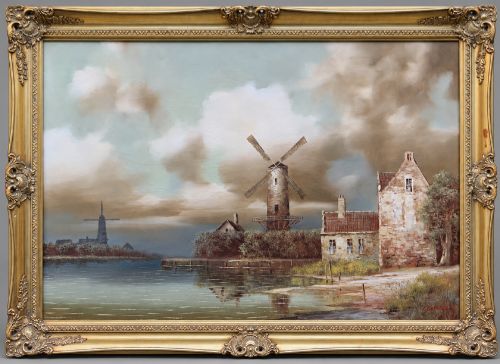
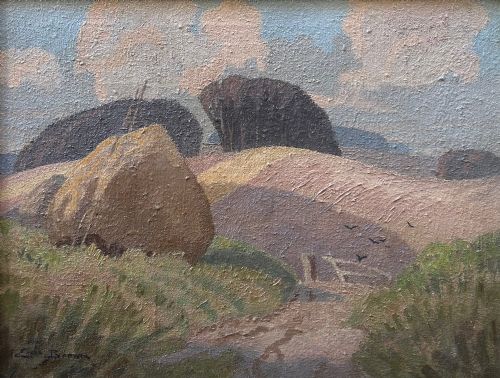
Impasto landscape art consists of paintings where thick oil paint creates a raised, three-dimensional surface that catches the light and reveals the movement of the brush or knife. When searching for impasto landscape art, collectors encounter works spanning the early twentieth century through to the mid-century modern period, including British, French, and Dutch scenes.
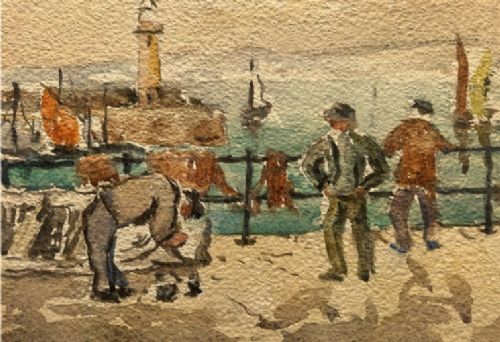
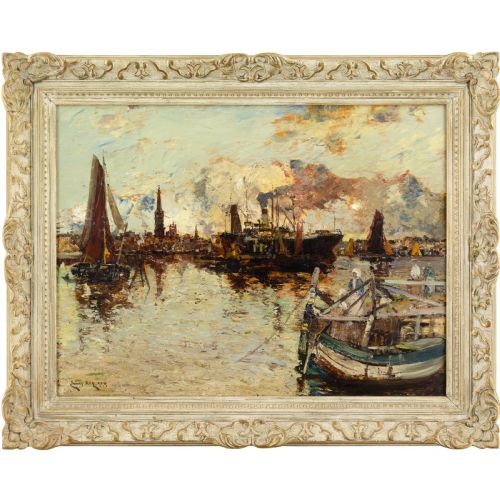
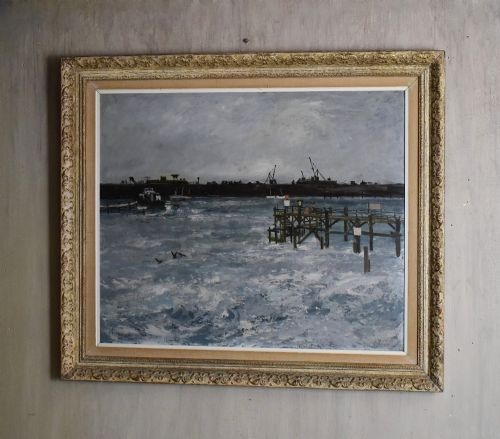
The most common versions on this page are mid-century oil paintings on canvas or board depicting coastal harbours, village streets, and townscapes. These pieces often align with British Impressionism, Post-Impressionism, and mid-century impressionism, reflecting a period of energetic painterly experimentation.
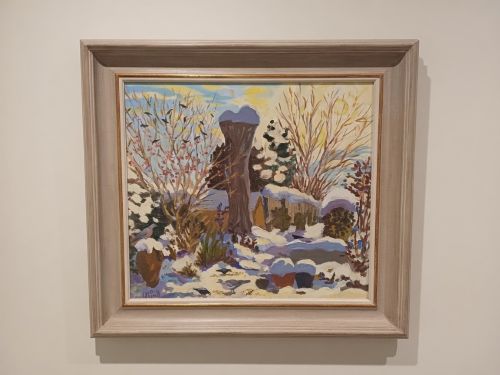
The subjects range from tranquil maritime views and snowy winter scenes to bustling continental markets and industrial townscapes. Works from the Edwardian era up to the nineteen-sixties demonstrate how artists used heavy pigment to capture light and atmosphere in both rural and urban settings.
Materials and Techniques
These works rely on oil paint applied thickly to supports such as canvas, wood, or board, sometimes retained within gilt wood frames. The physical body of the paint is central to the method, allowing artists to build ridges and peaks that remain prominent long after drying.
Artists deployed brushes and palette knives to lay down pigment, creating varied surface textures that distinguish impasto work from flat oil painting. The combination of oil paint and rigid or flexible supports dictated how heavily the medium could be built up without cracking over time.
Impasto Landscape Art Retail Price Guide 2026
Typical asking prices for impasto landscape art among the pieces listed under this phrase on Sellingantiques today, from the lower quarter to the upper quarter. They describe what is for sale here now, not the wider market.
The selection includes British Impressionism, Post-Impressionism, and Mid-Century Modern painting styles.
What Varies in Quality
Quality in these paintings rests on the confidence and purpose behind the application of thick pigment. The finest examples use heavy paint to define form and light with clarity, whereas lesser works can appear heavy-handed or lack structural definition beneath the texture.
The coherence of the composition and the handling of light across the raised surfaces determine a work's visual success. Superior pieces demonstrate a skilled balance between the chaotic nature of thick paint and the disciplined depiction of space, atmosphere, and landscape.
George F Pennington·Sushila Singh·Kenneth Cozens·R Leyton·James Kay·Lucy Pratt·Peter Brannan·Christine Nesbit·Donald McIntyre·Herbert Royle·Fred Yates·Ronald Ossory Dunlop·Helen Layfield Bradley·Jean-Baptiste Olive·Raymond Picque·James Fry·Gabriel Dauchot·Cecil Rochfort D'Oyly-John·Caroline Burnett·Mercedes Legrand·E A Minardo
The Impasto Landscape Art Glossary
- Impasto
- A technique where paint is laid onto a canvas in very thick areas, usually thick enough that the brush or painting-knife strokes are visible. This method adds tangible depth and texture to the surface of the artwork.
- Oil Paint
- A type of slow-drying paint consisting of particles of pigment suspended in a drying oil, commonly linseed oil. It allows for rich colour blending and the build-up of heavy, textured layers.
- Post-Impressionism
- An art movement that developed from about eighteen-eighty to nineteen-fourteen, extending impressionism while rejecting its limitations. Artists favoured a greater emphasis on symbolic content, formal order, and heavier application of paint.
- Gilt Wood
- Wood that has been coated with a thin layer of gold leaf or gilt paint, commonly used for framing traditional and mid-century paintings. These frames enhance the visual weight and period context of the artwork.
- Board
- A rigid flat material used as a painting support in place of stretched canvas. Artists often applied oil and impasto directly to wooden boards or panels during the twentieth century.
Impasto Landscape Art: Frequently Asked Questions
What is impasto landscape art?
Impasto landscape art refers to paintings where oil paint is applied in thick, raised layers to depict natural or urban views. The technique emphasises the physical texture of the paint, making the brushstrokes or knife marks part of the scenery.
These works range from early twentieth-century coastal scenes to mid-century townscapes, capturing light and atmosphere through heavy, tactile application.
How should I hang an oil painting on board?
Paintings on board require sturdy framing and stable wall environments away from direct heat sources or dampness. Because wood and board can react to humidity changes, secure hanging hardware ensures the piece remains safely supported.
Ensure the painting is displayed at eye level on a wall with balanced lighting to properly catch the raised textures of the impasto surface.
How do I identify mid-century impasto works?
Mid-century impasto paintings often feature bold palettes, expressive brushwork, and subjects like industrial towns, modern harbours, or abstract cityscapes. Dates within the nineteen-fifties and nineteen-sixties frequently appear on the canvas or board.
Stylistic markers include influences from British impressionism, post-impressionism, and mid-century modernism, combined with a confident, thick handling of oil paint.
Did framing styles change across these periods?
Earlier twentieth-century and Edwardian paintings frequently utilised ornate gilt wood frames that added traditional weight to the artwork. By the mid-century period, framing choices often shifted toward simpler profiles that complemented the modernist aesthetic.
Many pieces retain their original frames, which help anchor the painting within its specific decade of creation.