




Impasto Coastal Wall Artwork
Impasto coastal wall artwork brings heavy, textured paintwork and maritime scenes together, offering buyers tactile depth and a distinct sense of place.
Impasto Coastal Wall Artwork
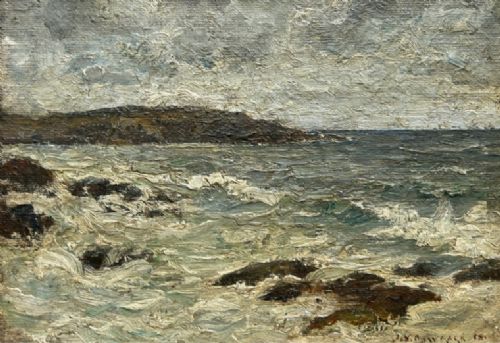
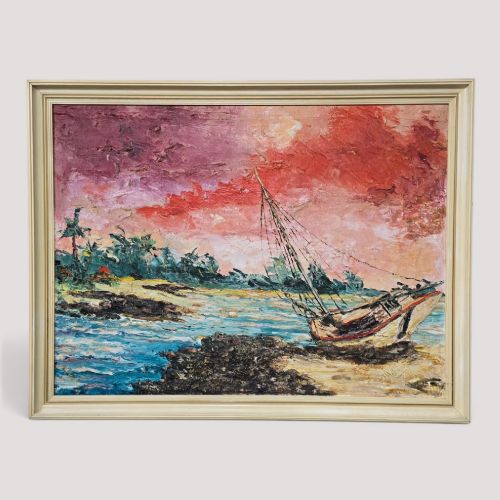
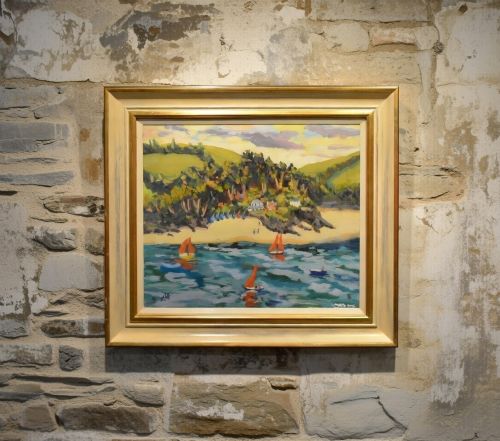
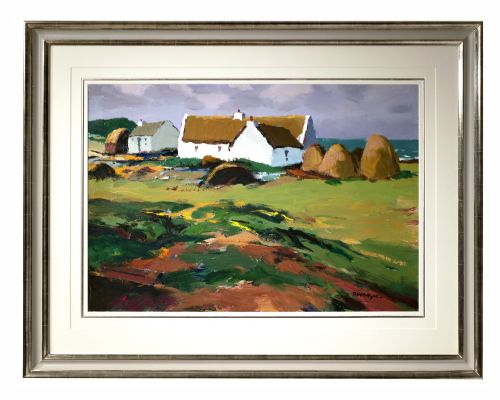
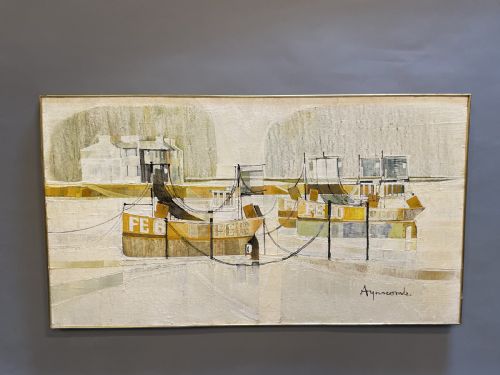
When you search for impasto coastal wall artwork, you encounter maritime and seaside scenes rendered with thick layers of paint that stand proud of the surface. These pieces range from Edwardian depictions of sailboats to mid-century harbour views and later depictions of beaches and estuaries.
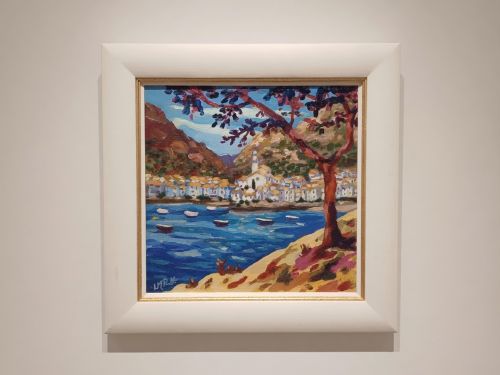
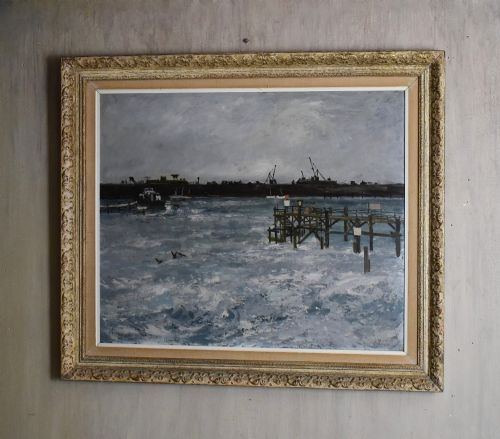
You are most likely to meet oil paintings on board or canvas created during the twentieth century, particularly from the nineteen-fifties and nineteen-sixties. British and French coastal landscapes dominate the selection, often capturing ports, boats, and coastal towns with expressive brushwork.
The subjects focus heavily on water and shorelines, including river landscapes, fishing boats, and rocky seascapes. Painters utilise visible, raised pigment to give movement and texture to water, skies, and coastal cliffs.
Quality and Execution
Quality rests on the confidence of the handling and the strength of the composition, where thick paint serves the structure of the painting rather than masking weak drawing. The best examples balance heavy impasto texture with a clear sense of light, atmosphere, and spatial depth.
Provenance and attribution also separate works, with signed pieces by recorded twentieth-century artists holding firmer documentation than indistinctly signed or anonymous canvases.
Subjects span rocky coastal escapes, bustling harbours, and quiet estuaries painted from the Edwardian era onwards.
Kenneth Cozens·R Leyton·Lucy Pratt·Peter Brannan·Donald McIntyre·Helen Layfield Bradley·Jean-Baptiste Olive·Cecil Rochfort D'Oyly-John·Edward M. Elliott·Jack R Mould·Ernst Louizor
The Impasto Coastal Wall Artwork Glossary
- Impasto
- A technique where paint is laid onto a canvas or board in very thick layers, usually thick enough that the brush or palette knife strokes are visible. This adds a tactile, three-dimensional quality to the painted surface.
- Oil on Canvas
- A traditional painting medium where oil-based pigments are applied to a woven fabric stretched across a wooden frame. Canvas provides a resilient and slightly flexible support for heavy paint application.
- Oil on Board
- A painting method utilising rigid wooden or composite panels as a support for oil paint. Boards offer a firm surface that withstands the pressure of heavy impasto application without flexing.
- Impressionism
- A nineteenth and twentieth-century artistic style characterised by relatively small, thin, yet visible brush strokes and an emphasis on accurate depiction of light in its changing qualities. Artists focused on everyday subjects and atmospheric outdoor scenes.
- Estuary
- A tidal mouth of a large river, where the tide meets the stream. These coastal transition zones provide distinct subject matter for maritime landscape painters.
Impasto Coastal Wall Artwork: Frequently Asked Questions
What is impasto coastal wall artwork?
These works are paintings depicting seascapes, harbours, and coastal views created with thick, raised applications of oil paint. The heavy texture gives physical depth to elements like waves, sails, and clouds.
They serve primarily as decorative wall art that brings maritime atmosphere and rich surface texture into an interior space.
How should I hang these paintings?
Hang them on walls with stable humidity and away from direct, harsh sunlight to protect the oil paint and canvas supports. Adequate lighting at an angle helps illuminate the raised impasto texture.
Ensure the wall fixings match the weight of the framed board or canvas safely.
How do I date these pieces?
Dating relies on stylistic clues, framing methods, artist signatures, and inscriptions on the reverse of the board or canvas. Twentieth-century works often show specific mid-century modernist or impressionist tendencies.
Examine the backing materials and any gallery labels to confirm the period of origin.
Are these works fragile?
Thickly applied oil paint can be susceptible to cracking if subjected to temperature fluctuations or physical pressure. The raised surfaces also tend to accumulate dust more readily than flat paintings.
Handle the edges of the frame rather than the painted surface, and clean gently with a soft, dry brush when needed.