





Imari Ware Vessel
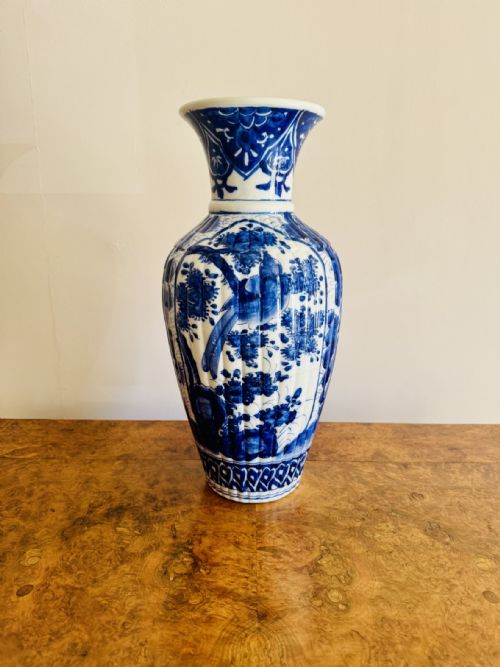
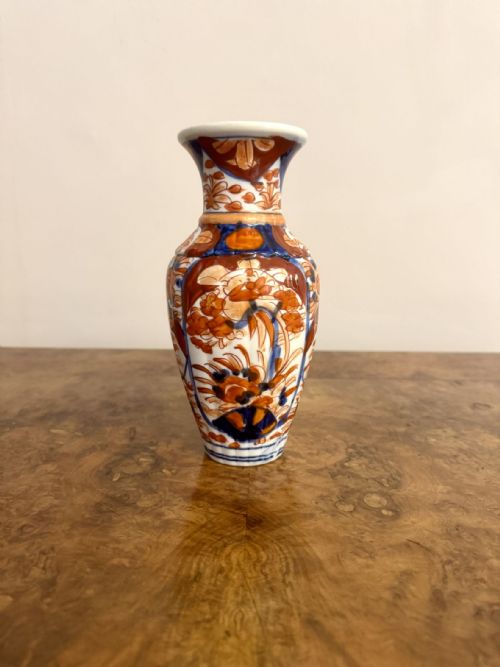
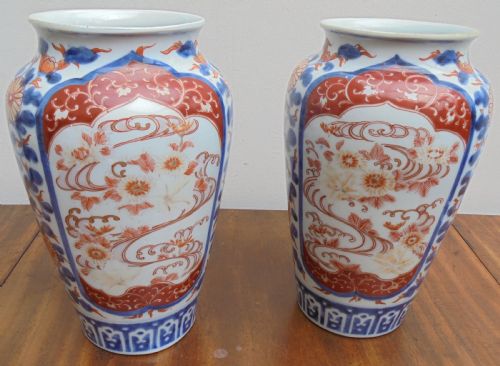
These imari ware vessel examples bring distinctive iron-red and cobalt-blue palettes to any room, offering traditional form and rich hand-painted detail.
Imari Ware Vessel
When you search for an imari ware vessel, you are looking at richly decorated ceramics spanning the eighteenth, nineteenth, and early twentieth centuries. These pieces encompass Japanese Arita wares as well as British interpretations produced during the Edwardian era.
The selections available here range from large jardinieres and lidded koro incense burners to ginger jars and tall vases. Hexagonal shapes and covered jars appear regularly alongside traditional baluster forms.
Materials and construction
These items rely on hard porcelain bodies shaped by hand or mould before receiving their initial underglaze cobalt blue painting. Potters then added intricate overglaze enamels in iron-red and other colours.
Many examples incorporate gold gilding, gold leaf, or gilt highlights applied over the glaze to accentuate the complex geometric and floral panels.
Imari Ware Vessel Retail Price Guide 2026
Typical asking prices for imari ware vessel among the pieces listed under this phrase on Sellingantiques today, from the lower quarter to the upper quarter. They describe what is for sale here now, not the wider market.
Forms range from large jardinieres and lidded koro incense burners to hexagonal vases and covered ginger jars.
Distinguishing quality
Superior quality rests in the precision of the hand-painted brushwork and the crispness of the underglaze cobalt against the white porcelain ground. The richness and application density of the gold gilding also separate standard production from finer output.
Proportion and scale dictate the visual impact, particularly in large jardinieres and tall pairs where symmetry and balance are vital. The clarity of the overglaze enamels and the complexity of the patterned reserves determine the overall merit of each piece.
Royal Crown Derby
The Imari Ware Vessel Glossary
- Koro
- A traditional Japanese incense burner fitted with a pierced cover. These vessels often feature three legs and substantial handles.
- Jardiniere
- A large ornamental pot designed to hold plants or flowers. In this category, they appear in heavy porcelain decorated with intricate panels.
- Gilding
- The application of gold leaf, gold powder, or liquid gold to the surface of the ceramic. This technique highlights specific motifs within the broader design.
- Meiji Period
- The era in Japanese history spanning from 1868 to 1912. Pieces from this time often exhibit exceptional decorative detail and export-focused craftsmanship.
- Ginger Jar
- A high-shouldered ceramic storage jar with a fitted lid. Originally used for spices, they evolved into purely decorative display items.
Imari Ware Vessel: Frequently Asked Questions
What is an imari ware vessel?
An imari ware vessel is a porcelain decorative object characterised by a palette of cobalt blue, iron-red, and gold. These pieces encompass vases, ginger jars, and incense burners from Japanese and British origins.
They reflect centuries of ceramic tradition, combining traditional forms with intricate hand-painted panels and gilding.
How do I date an imari piece?
Dating relies on stylistic markers, historical periods, and maker attribution where present. Japanese pieces often align with the Edo or Meiji periods, while British examples point to the Edwardian era.
Examining the base, the weight of the porcelain, and the quality of the enamel colours provides further clues to the exact decade of manufacture.
Where were these vessels made?
The majority originate from Japan, specifically the Arita region where traditional imari styles were perfected during the Edo period and exported during the Meiji era. Other examples were produced in England by factories such as Royal Crown Derby.
Both Japanese workshops and British potteries adhered to the distinct aesthetic of cobalt, iron-red, and gilt decoration.
How do I care for antique porcelain?
Antique porcelain requires gentle handling and placement away from direct sunlight to preserve the overglaze enamels and gold gilding. Dusting with a soft, dry cloth is usually sufficient for regular maintenance.
Avoid using liquid cleaners or submersing pieces in water, particularly those with delicate gold leaf or gilt highlights.
Were these jars used for storage?
Ginger jars and covered vessels were originally designed to hold spices or preserves for transport and storage. Over time, their decorative qualities led to them being manufactured purely as ornamental display pieces.
Their substantial covers and balanced proportions made them versatile additions to period interiors.