





Imari Style Pottery
Imari style pottery combines vibrant iron-red, cobalt blue and gold leaf decoration to create striking display pieces.
Imari Style Pottery
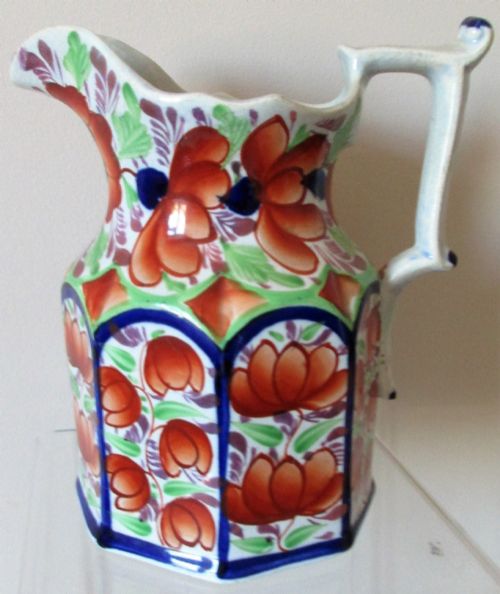
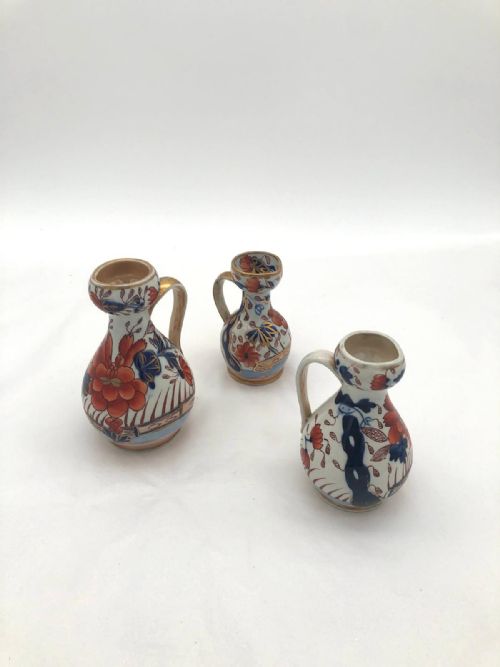
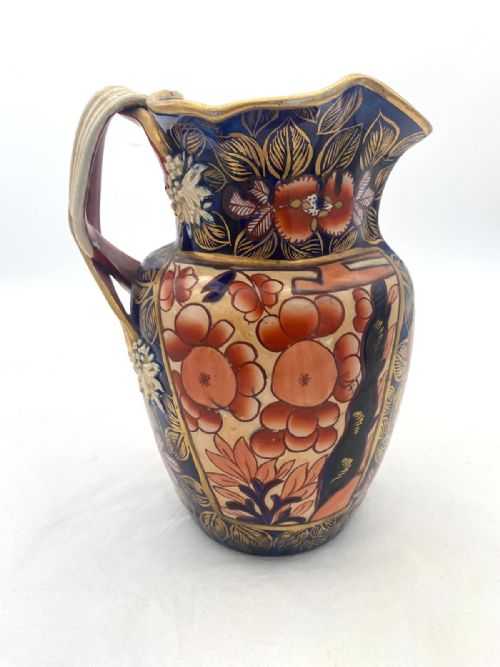
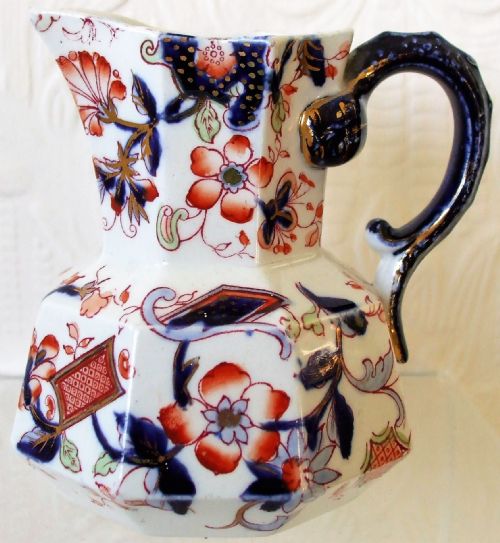
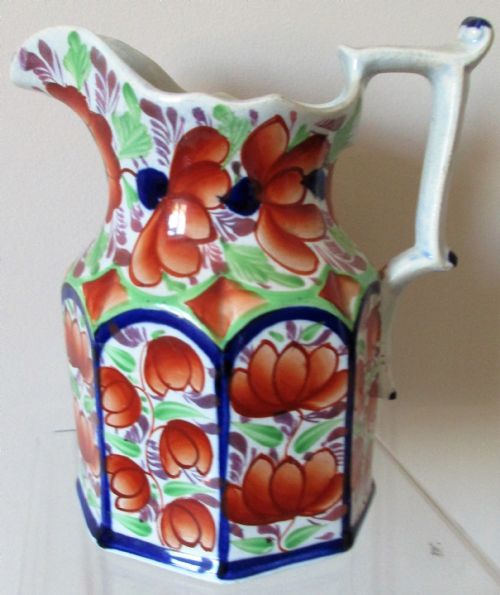
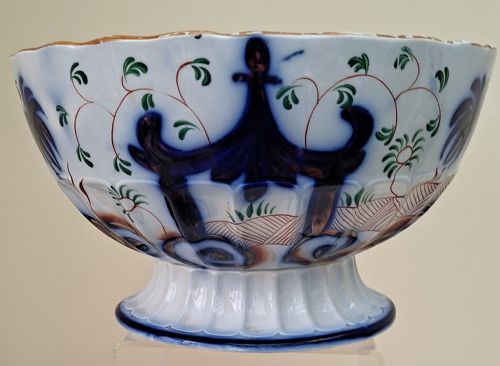
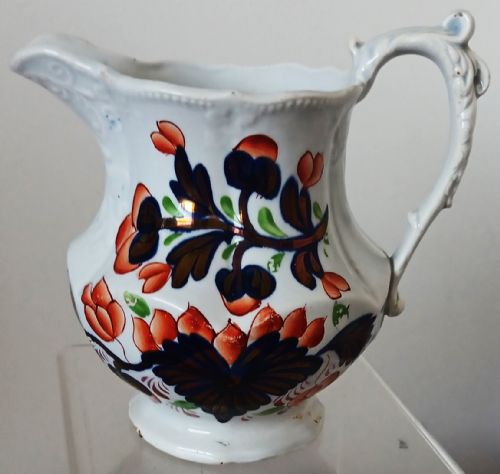
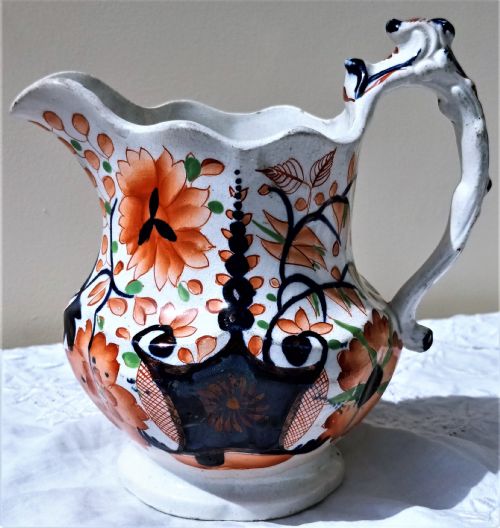
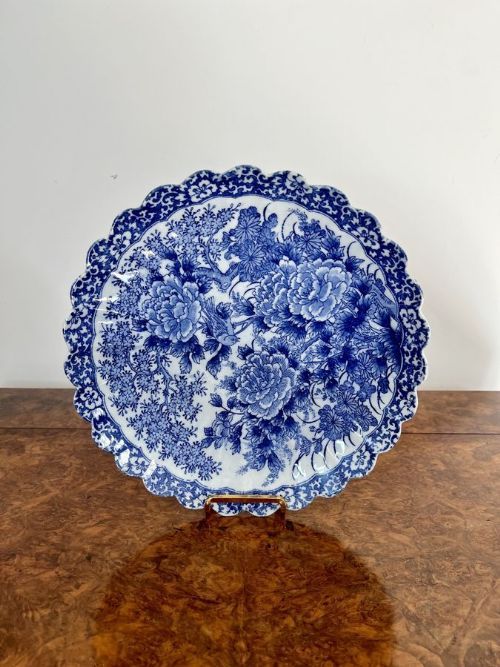
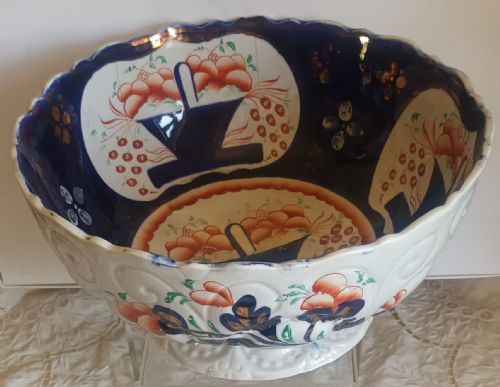
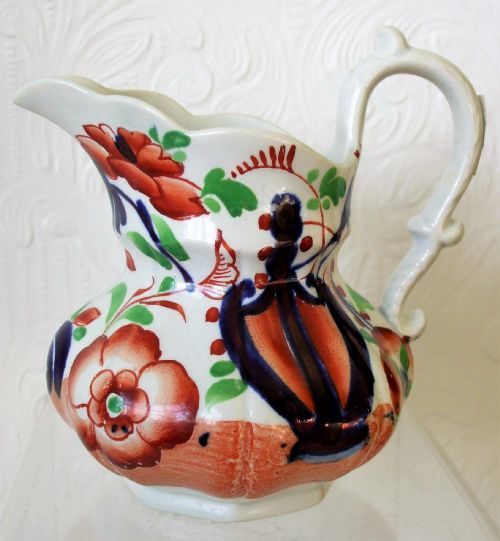
When you search for imari style pottery, you encounter a distinct visual tradition spanning 19th Century English ironstone and porcelain alongside imported Japanese wares. The most common versions on this page are Victorian Gaudy Welsh jugs and plates featuring patterned motifs like the pagoda, alongside Japanese chargers and plates.
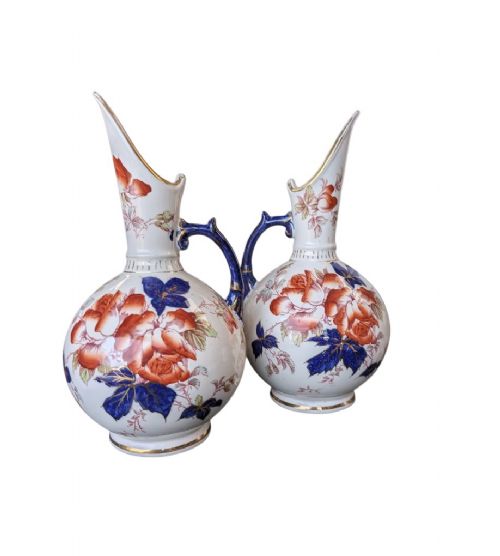
The objects take forms ranging from decorative plates, soup bowls and chargers to pitchers, jugs and biscuit barrels. English potteries frequently adopted the palette on ironstone and earthenware, while Japanese workshops produced porcelain blue and white imari dishes and vases.
Makers such as Mason's, Davenport, Keeling & Co., John Ridgway and Ridgways China produced these bold ceramics during the Georgian and Victorian eras. Buyers find both English interpretations and direct Japanese imports reflecting the rich exchange of decorative styles during the period.
Materials and production
Potters shaped ceramic, earthenware, ironstone and porcelain into utilitarian vessels and ornamental chargers before firing them. Ironstone provided a durable, heavy body suitable for large jugs and soup tureens, while fine porcelain served for delicate plates.
Artisans applied cobalt blue underglaze paint alongside vibrant enamel colours. Many pieces received meticulous additions of gold leaf and gilding to highlight intricate patterns such as bamboo and floral motifs.
Imari Style Pottery Retail Price Guide 2026
Typical asking prices for imari style pottery among the pieces listed under this phrase on Sellingantiques today, from the lower quarter to the upper quarter. They describe what is for sale here now, not the wider market.
Listings feature nineteenth-century British ironstone and porcelain alongside Japanese Imari chargers, plates and vases dating from the Victorian and Edwardian eras.
Evaluating quality and execution
The distinction between standard domestic wares and top tier items rests upon the crispness of the transfer printing and the precision of the hand-painted enamel work. Superior examples exhibit rich cobalt tones and securely adhered gold leaf that remains bright across the surface.
Form and moulding also dictate standing, with octagonal jugs, scalloped edge plates and footed bowls demonstrating greater technical skill than simple rounded vessels. Well preserved pattern definition within complex designs like the pagoda or Gwent motifs separates fine cabinet pieces from ordinary kitchen pottery.
Mason's Ironstone·John Ridgway·Keeling and Co·Davenport·Ridgways China·Mintons
The Imari Style Pottery Glossary
- Imari palette
- A distinct colour scheme employing underglaze cobalt blue, iron-red enamel, and supplementary gold leaf. This combination originated in Japan and was widely copied by English potteries.
- Ironstone
- A heavy, durable ceramic material patented in England. It resists chipping and provided a sturdy body for large jugs, tureens and platters.
- Charger
- A large ornamental plate intended for display rather than dining. These items frequently feature elaborate painted borders and central motifs.
- Gaudy Welsh
- A type of colourful pottery produced in nineteenth-century Britain using bright imari-style enamels. Common patterns include pagoda, grape, and basket of flowers designs.
- Spoon warmer
- A specialised Victorian ceramic vessel filled with hot water to keep serving spoons warm at the table. They often took unusual figural or pouch shapes.
Imari Style Pottery: Frequently Asked Questions
What is imari style pottery?
Imari style pottery refers to ceramics decorated in a characteristic palette of deep cobalt blue, iron red, and gold leaf. The style originated in Japan before being enthusiastically adopted by European potteries.
English manufacturers like Mason's and various Staffordshire firms reinterpreted the aesthetic on ironstone and earthenware, creating vibrant plates and jugs.
How do I identify Gaudy Welsh pottery?
Gaudy Welsh pieces are nineteenth-century British ceramics that apply imari-inspired enamel colours, particularly copper lustre and cobalt blue, onto earthenware and ironstone bodies. They frequently feature named patterns such as pagoda, grape, or Gwent.
These items usually take the form of domestic jugs, footed bowls, and tableware intended for everyday middle-class use.
Were these pieces used for dining?
While soup bowls, plates and jugs served functional dining roles on nineteenth-century tables, many items were strictly decorative. Large chargers and scalloped edge plates were designed for display on sideboards or walls.
Specialist items like spoon warmers and biscuit barrels fulfilled specific dining room rituals during the Victorian era.
How do I care for antique ironstone?
Antique ironstone and porcelain require gentle hand washing with mild soap and warm water to protect the delicate enamel colours and gold leaf gilding. Avoid soaking pieces for extended periods, particularly if the ceramic body shows any historic crazing.
Display them away from direct sunlight and extreme temperature fluctuations to preserve the glaze integrity.