





Imari Patterned Dish
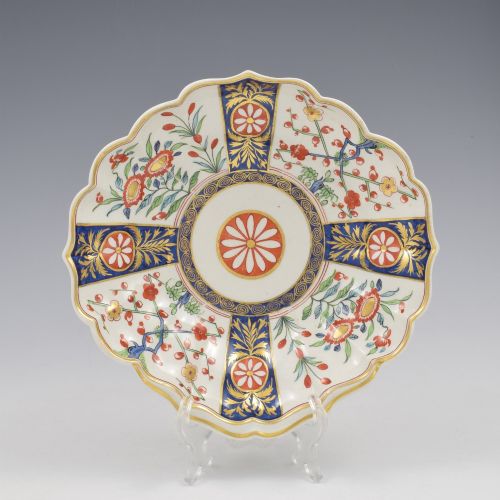
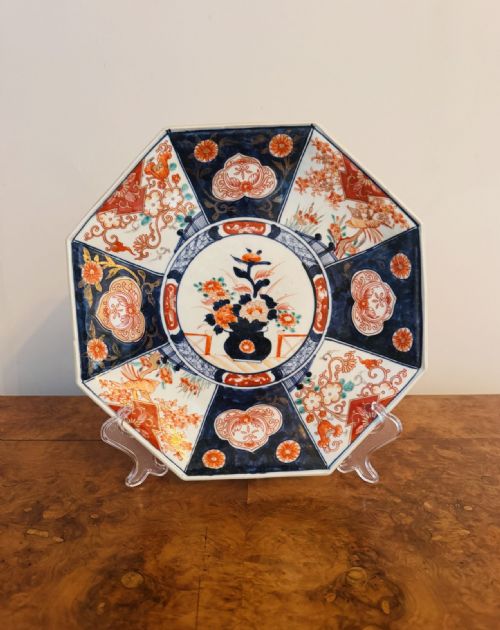
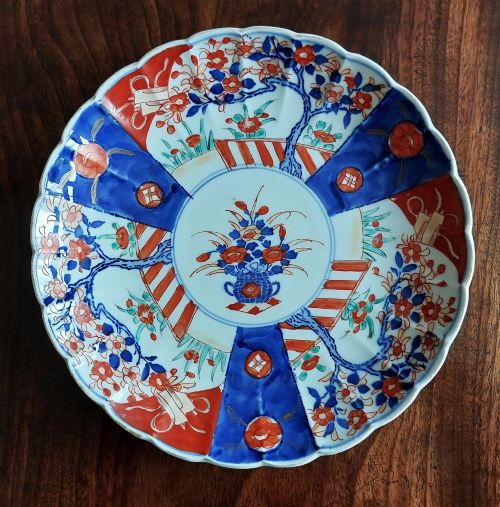
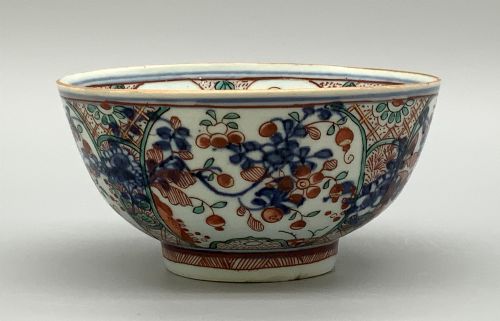
When you search for an imari patterned dish, you encounter a rich cross-cultural tradition of blue, iron-red and gold ceramics spanning Japanese export wares and English interpretations.
Imari Patterned Dish
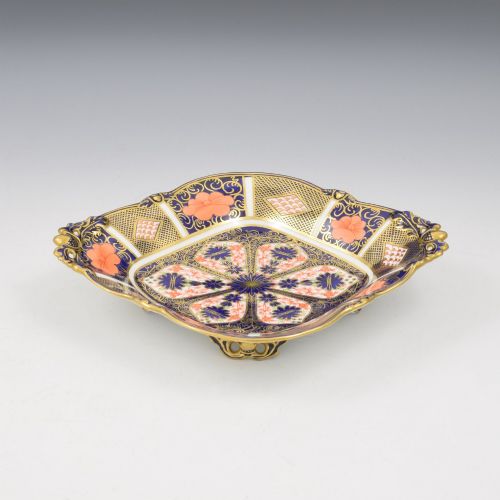
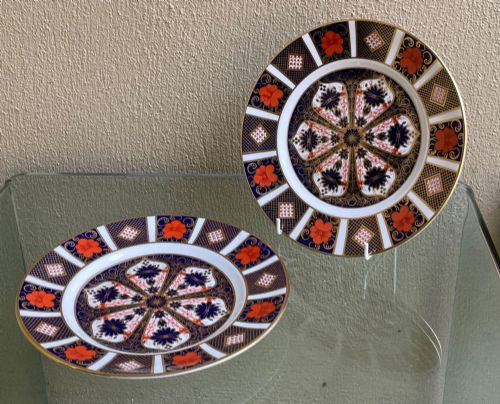
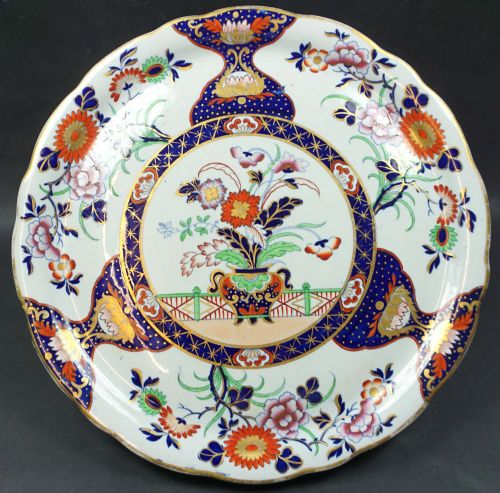
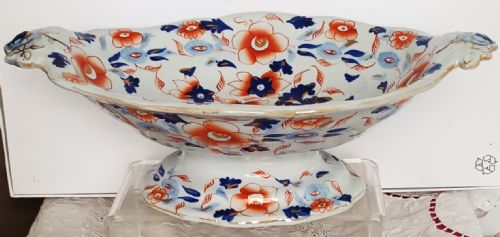
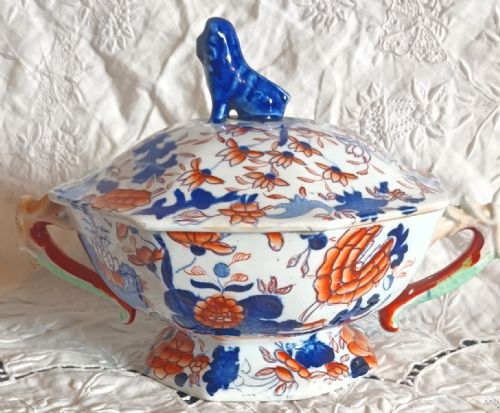
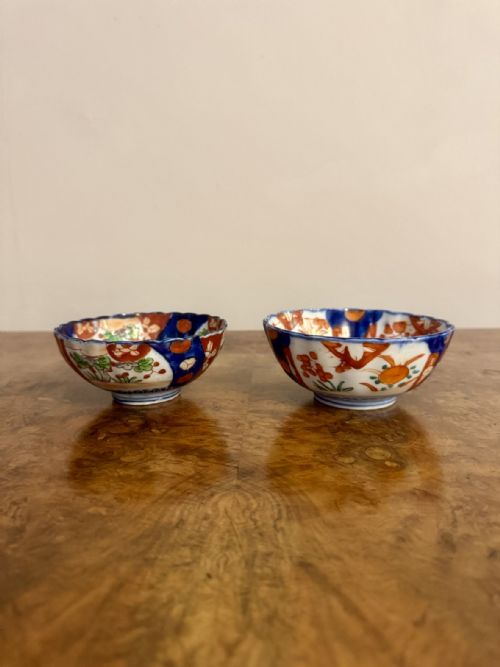
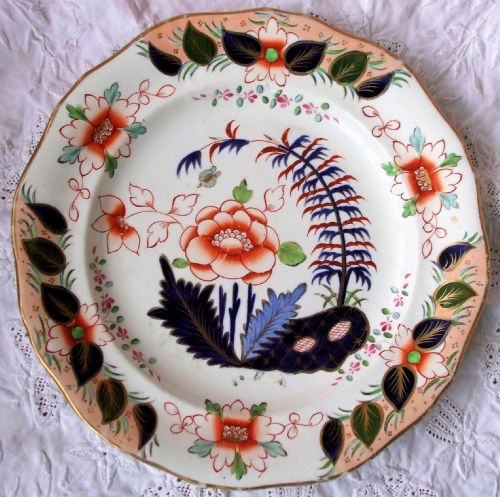
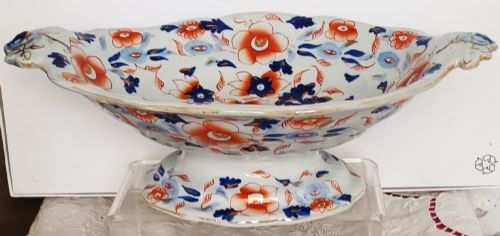
The imari patterned dish category encompasses both authentic Japanese imports from the Meiji period and seventeenth century, and English adaptations produced by factories such as Royal Crown Derby, Worcester, and Mason's. Buyers most frequently meet Japanese imari plates featuring hexagonal forms or scalloped edges alongside nineteenth-century English ironstone comports and serving dishes decorated with Japan patterns.
Forms range from small plates and boat-shaped dishes to large pedestal bowls, tureens, and deep lobed serving trays. These items bridge traditional Eastern aesthetics and European utility, serving as decorative table focal points or wall displays.
Materials and production methods
Potters constructed these pieces using porcelain, bone china, and dense ironstone ceramic bodies, decorated with underglaze cobalt blue and vibrant overglaze enamel pigments. Artisans applied gold leaf and gilt highlights to accentuate intricate panels and motifs.
Firing techniques required multiple kiln stages to set the underglaze blue before applying the iron-red enamels and gold details. English factories utilised durable earthenware and ironstone formulas to create heavy-duty tureens, platters, and footed comports intended for regular dining use.
Imari Patterned Dish Retail Price Guide 2026
Typical asking prices for imari patterned dish among the pieces listed under this phrase on Sellingantiques today, from the lower quarter to the upper quarter. They describe what is for sale here now, not the wider market.
Listings feature imari patterned items spanning the late seventeenth century through the mid-twentieth century, covering both Japanese export porcelain and English ironstone.
Quality factors in imari wares
Quality rests in the precision of the hand-painted brushwork, the vibrancy of the iron-red and cobalt pigments, and the crispness of the gilt accents. Superior pieces display deep, uniform glaze covers and balanced compositions within each decorated compartment.
The weight, integrity of the ceramic body, and survival of the delicate overglaze enamel without heavy rubbing separate standard utility wares from exceptional cabinet pieces. Finer porcelain and early ironstone bodies exhibit sharper moulding on scalloped edges, pierced rims, and relief-moulded handles.
Royal Crown Derby·Hicks And Meigh·John Davenport Of Longport·Mason·Flight Barr And Barr·John Ridgway·Minton·Chamberlain Worcester
The Imari Patterned Dish Glossary
- Imari
- A style of Japanese porcelain originating from the port of Arita, characterised by a palette of underglaze blue, iron-red, and gilt details. European potteries extensively copied these distinctive colour schemes during the eighteenth and nineteenth centuries.
- Ironstone
- A heavy, durable type of earthenware patented in the nineteenth century by English manufacturers like Mason's. It resists chipping and provided a sturdy base for colourful transfer-printed and hand-painted Japan patterns.
- Comport
- A decorative footed dish or bowl raised above the table surface, used historically for serving fruit or sweetmeats. These items appear in both low and tall pedestal formats across Georgian and Victorian listings.
- Kakiemon
- An asymmetric Japanese ceramic style featuring sparse, elegant enamels in soft red, yellow, blue, and turquoise. English factories adopted this aesthetic for domestic butter dishes and dessert plates.
- Gilt
- A thin layer of gold applied to the surface of porcelain or ironstone ceramics to highlight rims, handles, and panel borders. This decorative finish often shows varying degrees of wear depending on past use.
Imari Patterned Dish: Frequently Asked Questions
Are these dishes safe for serving food?
Most antique imari patterned dishes remain structurally sound for serving dry foods or fruit. However, historic overglaze enamels and older ceramic bodies can absorb liquids or show wear from cutlery over time.
Consider using them primarily for display or gentle table service to preserve the hand-painted iron-red and gilt details.
How can I tell Japanese imari from English imari?
Japanese imari pieces typically utilise a finer, more translucent porcelain body with traditional hand-painted motifs and unglazed foot rings. English versions often employ heavier ironstone or bone china stamped with factory marks or pattern numbers.
Examine the weight, base finish, and stylistic interpretation of the floral and compartmental designs to determine the manufacturing origin.
What is the difference between an imari dish and a Japan pattern?
Imari refers specifically to Japanese export ceramics featuring cobalt blue, iron-red, and gold created in Arita and shipped through the port of Imari. Japan pattern describes European interpretations produced by English factories copying those distinct Eastern aesthetics.
Both styles share the signature red and blue colour palette, but European iterations usually appear on local ironstone or bone china bodies.