

Imari Pattern China
Imari pattern china brings together rich iron-red, cobalt blue, and gold leaf on ceramic bodies, offering collectors a striking mix of Eastern and Western design.
Imari Pattern China
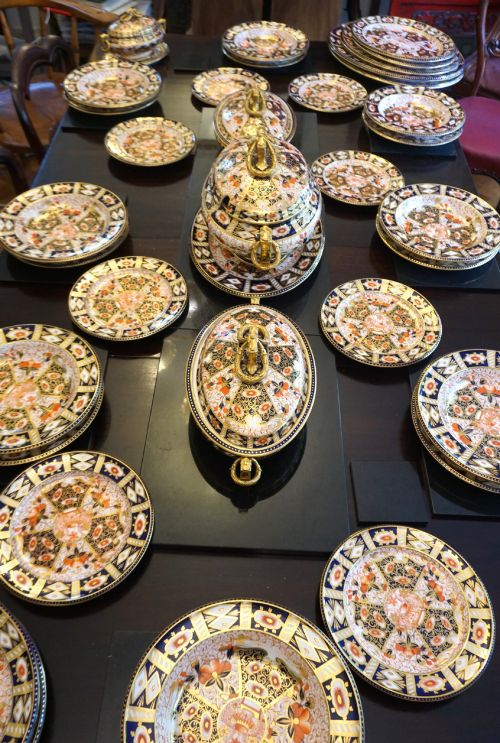
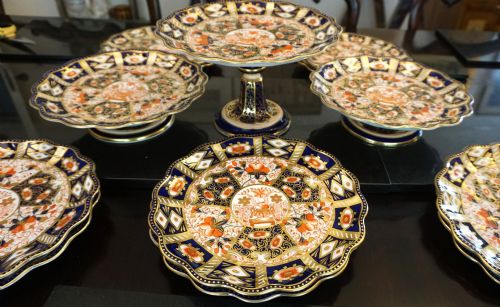
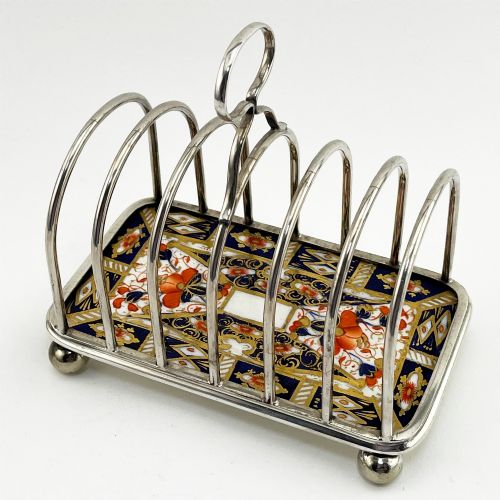
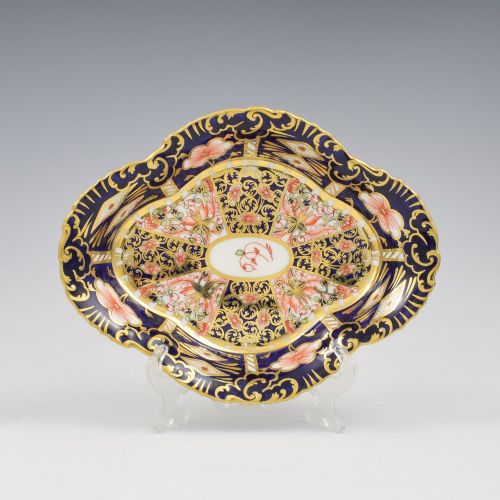
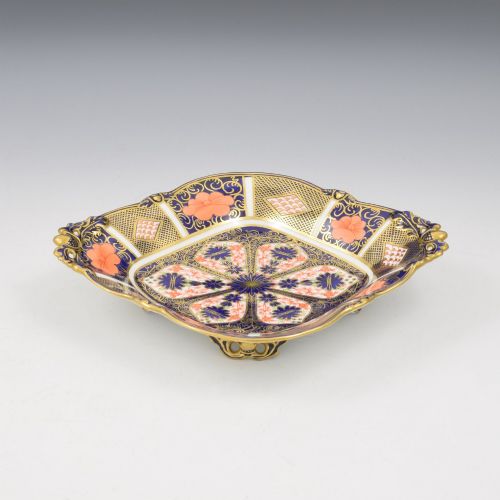
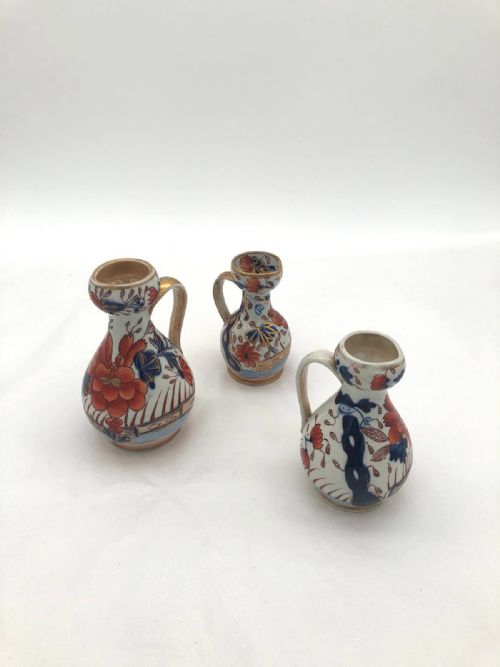
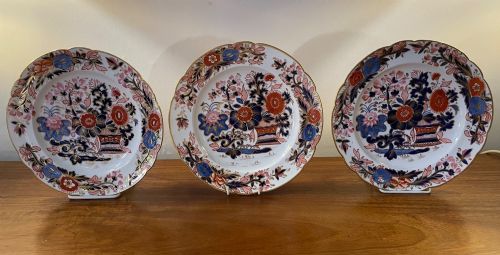
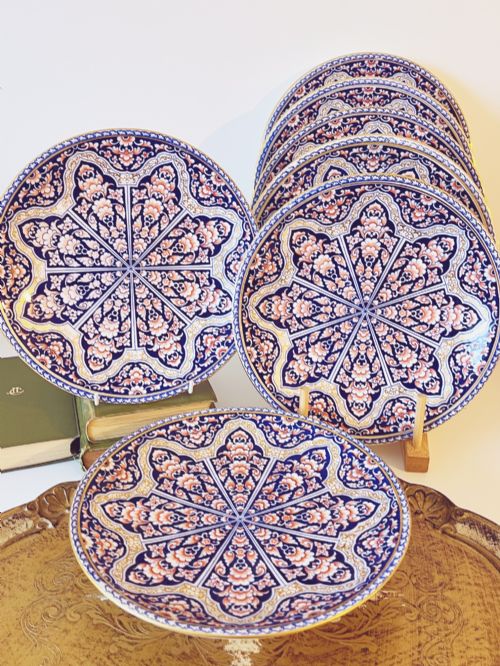
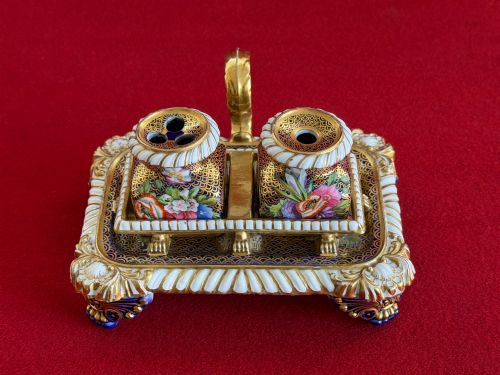
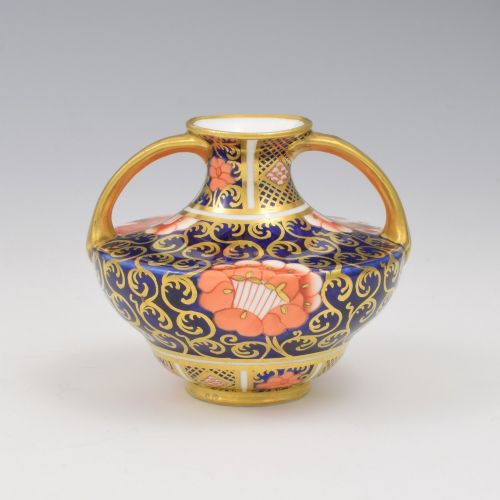
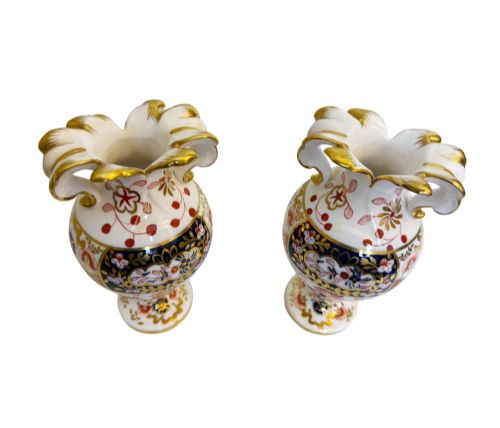
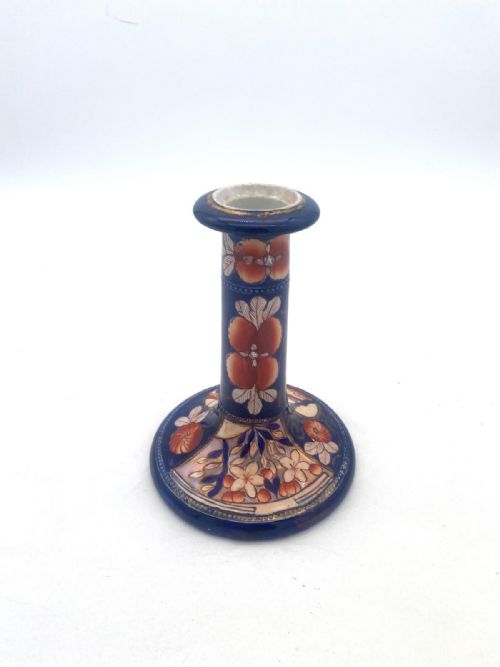
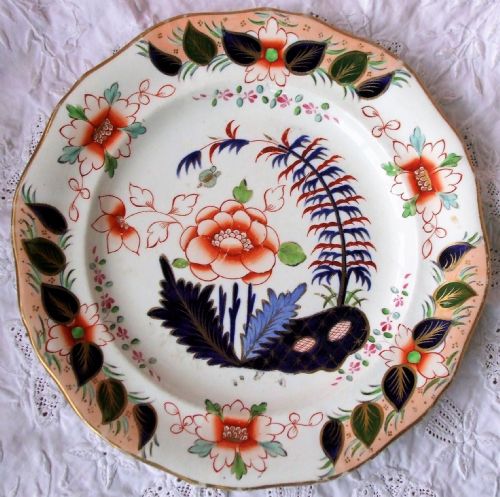
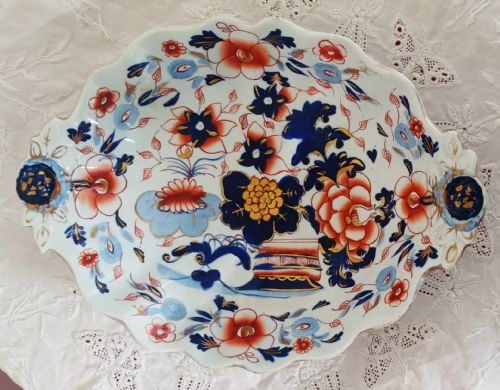
Imari pattern china consists of decorative plates, tea services, vases, and tureens produced across the Georgian, Regency, Victorian, and Edwardian periods. Buyers searching for imari pattern china encounter diverse ceramic forms ranging from miniature vases and coffee cans to large dinner services and comports.
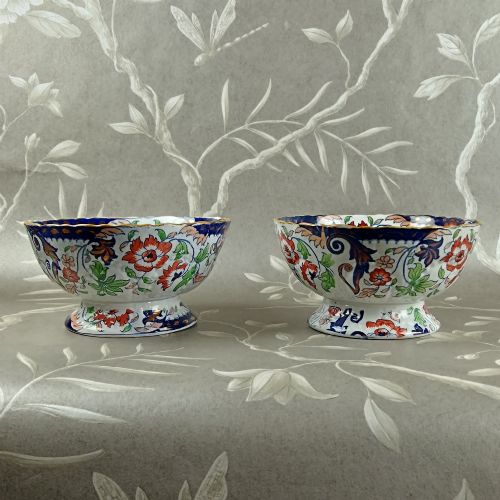
English factories such as Royal Crown Derby, Spode, and Mason's dominate the pieces found here, alongside Japanese examples and Gaudy Welsh earthenware. These ceramics span utilitarian tableware and ornamental display items created for wealthy households.
How they were made
Potters shaped these objects from porcelain, ironstone, bone china, and earthenware, applying durable glaze to seal the body before decoration. Ironstone provided a heavy, resilient base for kitchen and dining wares, while fine porcelain and bone china suited delicate teacups and inkstands.
Artisans applied cobalt blue underglaze followed by enamel and gold leaf on top of the glaze, requiring multiple firings in the kiln. Hand-painted details brought depth to floral, dragon, and architectural motifs across the surfaces.
Imari Pattern China Retail Price Guide 2026
Typical asking prices for imari pattern china among the pieces listed under this phrase on Sellingantiques today, from the lower quarter to the upper quarter. They describe what is for sale here now, not the wider market.
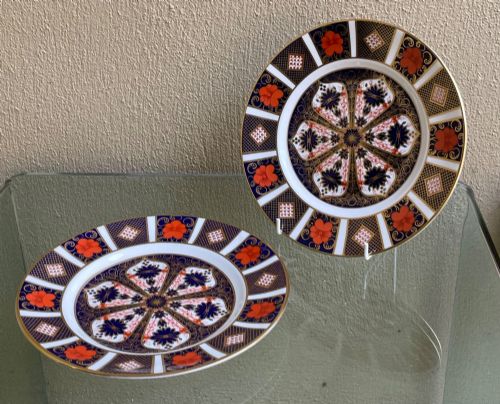
Several plates depict mythical dragons and kylins staring intently across the glaze, keeping a watchful eye on your dining table.
What varies in quality
Quality rests upon the precision of the hand-painting and the richness of the gold leaf application across the ceramic body. Crisp cobalt blue lines and deeply saturated enamel colours indicate superior artistry compared to hurried or blurred brushwork.
The weight, crispness of moulding, and translucency of the porcelain or ironstone differentiate standard production items from exceptional factory pieces. Well-preserved gilding that retains its original shine elevates the standing of any vessel.
Royal Crown Derby·Mason's Ironstone·Spode·John Davenport of Longport·Keeling and Co.·Flight Barr and Barr·Wedgwood·Royal Davenport
The Imari Pattern China Glossary
- Comport
- A decorative pedestal dish used for serving fruit or sweetmeats at the table. Thesefooted vessels sit higher than standard plates.
- Ironstone
- A heavy, durable type of earthenware patented in the nineteenth century to imitate Chinese porcelain. It resists chipping much better than standard pottery.
- Gilding
- The application of gold leaf or gold paint to ceramic surfaces. This decorative technique highlights rims, handles, and painted motifs.
- Staffordshire
- A geographic region in England famous for its numerous potteries and ceramic manufacturers. Factories in this area produced vast quantities of tableware.
- Tureen
- A deep covered bowl designed for serving soup, sauce, or vegetables. They often feature matching ladles and twin handles.
Imari Pattern China: Frequently Asked Questions
What is imari pattern china?
Imari pattern china refers to ceramics decorated in a distinct palette of iron-red, cobalt blue, and gold leaf, inspired by Japanese export wares. English and Japanese potteries adopted this aesthetic for plates, vases, and tea services.
These designs often feature floral, landscape, and mythical motifs adapted to European forms during the Georgian and Victorian eras.
How do I clean imari china?
Clean these antique ceramics gently by hand using lukewarm water and a mild soap. Avoid abrasive sponges or harsh detergents that can damage the delicate enamel and gold leaf.
Dry each piece immediately with a soft cloth to protect the glaze and prevent moisture from settling into any historic crazing.
Can I use antique imari plates?
While these plates were originally made for dining, most collectors choose to display them rather than use them daily. Modern dishwashers and cutlery can easily scratch the historic glaze, enamel, and gilding.
Gentle occasional use for special desserts is acceptable, provided you hand-wash the pieces immediately afterward.
How do I date imari china?
Dating relies on factory backstamps, pattern numbers, and the specific ceramic body used by the manufacturer. Georgian pieces often feature hand-written pattern numbers, while Victorian and Edwardian items frequently include stamped registry marks.
Comparing the style of the iron-red and blue motifs to known factory production periods helps narrow down the decade.