




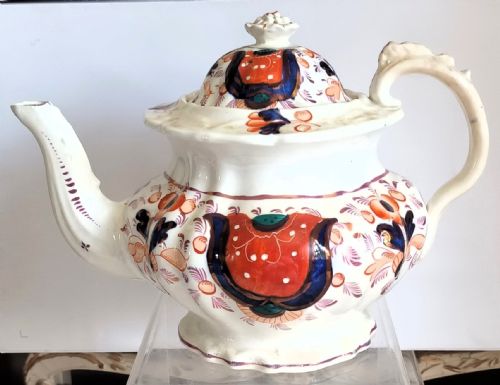


Imari Ceramic Set
An imari ceramic set brings together rich iron-red and cobalt-blue palettes on porcelain or ironstone, offering both Japanese export mastery and English adaptations.
Imari Ceramic Set
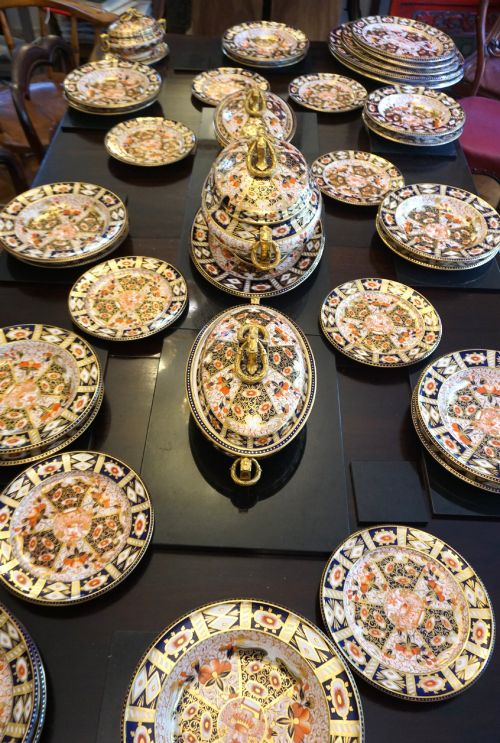
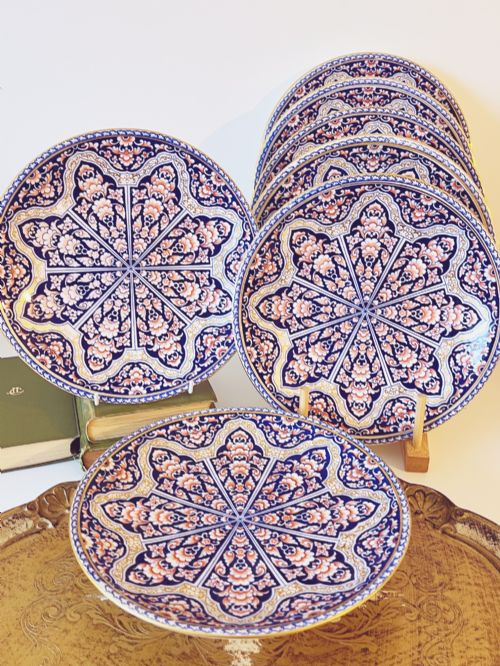
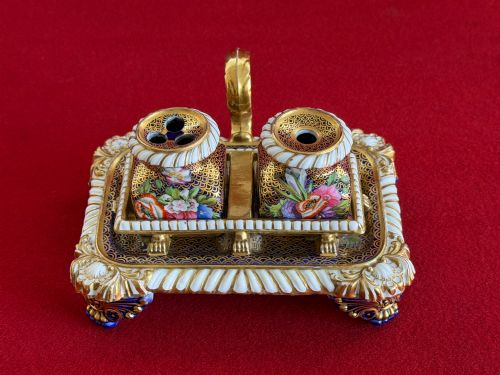
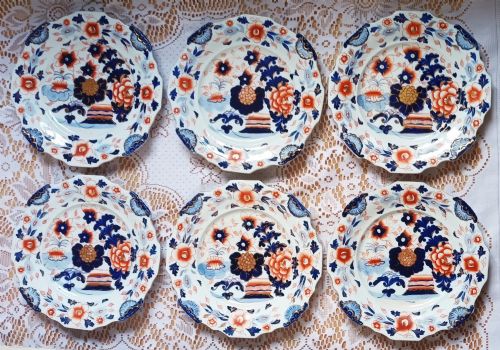
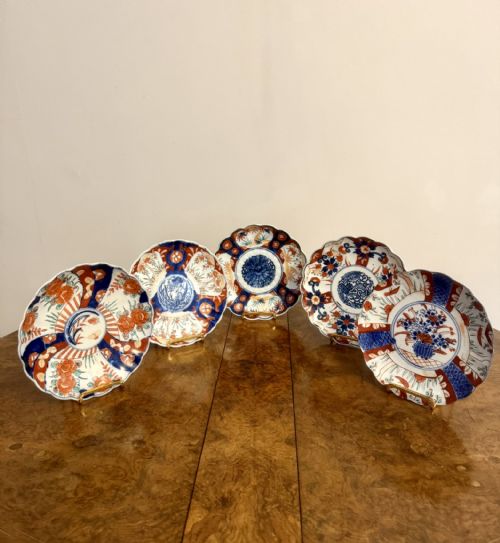
An imari ceramic set encompasses matching plates, dessert services, vases, and tea wares produced in both Japan and Britain across the nineteenth century. Japanese pieces reflect Meiji and Edo traditions, while English equivalents demonstrate domestic interpretations of the distinct Japan pattern.
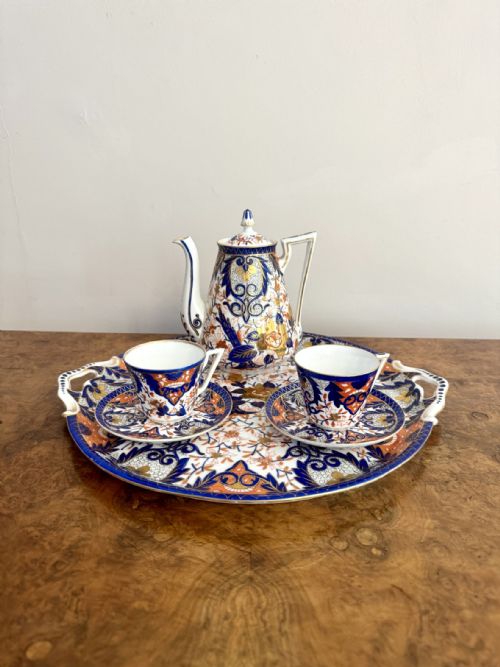
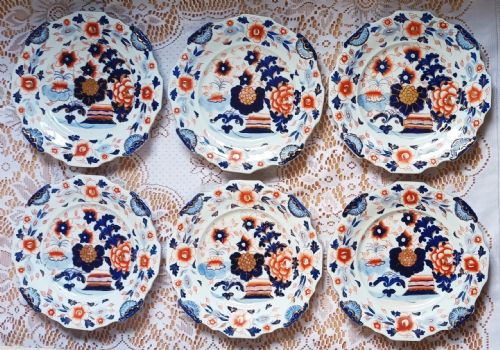
Buyers commonly encounter nineteenth-century Japanese plates and vases alongside substantial English ironstone dinner services and tea trios from factories such as Davenport, Mason's, and Spode. These groups range from small groupings of four or five small plates to extensive multi-piece dining suites.
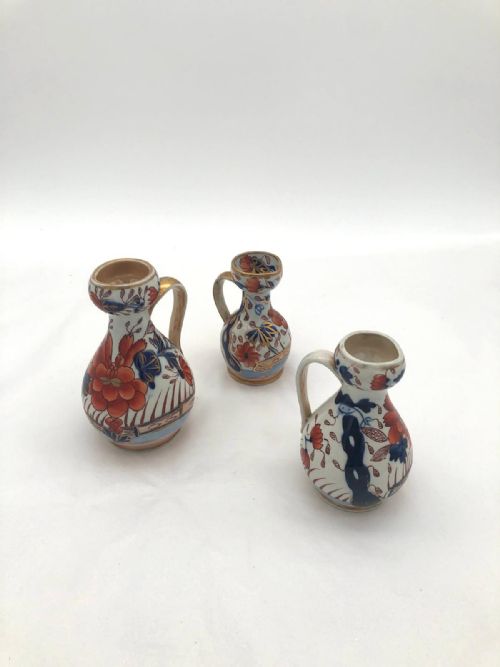
Forms vary from octagonal jugs and hydra pitchers to lidded garniture vases and dessert comports. Each iteration demonstrates the enduring cross-cultural fascination with contrasting underglaze blue, iron-red enamel, and added gold leaf highlights.
Materials and Construction
Makers utilised dense porcelain, bone china, and durable ironstone as substrates for the signature palette. Ironstone provided a robust body suitable for large dinner services and heavy jugs, while delicate porcelain suited teacups, saucers, and cabinet plates.
Decoration relied on underglaze cobalt blue combined with hand-painted iron-red enamel and gold leaf. Artisans applied these pigments over a glossy glaze before secondary firing to fuse the metallic and enamel elements to the ceramic body.
Imari Ceramic Set Retail Price Guide 2026
Typical asking prices for imari ceramic set among the pieces listed under this phrase on Sellingantiques today, from the lower quarter to the upper quarter. They describe what is for sale here now, not the wider market.
Listings feature imari ceramic sets spanning the Georgian, Regency, and Victorian periods, alongside Japanese pieces from the Meiji era.
Distinctions in Quality
Quality rests upon the precision of the hand-painted brushwork and the density of the gilding. Superior examples display crisp cobalt definition beneath the glaze and rich, intact gold leaf without rubbing.
The weight and resonance of the ceramic body also separate standard production from finer wares. Well-potted porcelain and ironstone exhibit balanced proportions, symmetrical forms, and clean foot rims free from kiln debris.
Davenport·Royal Crown Derby·Mason's·Spode·Minton
The Imari Ceramic Set Glossary
- Imari palette
- A decorative scheme employing underglaze cobalt blue, iron-red enamel, and supplementary gold leaf. This distinctive combination originated in Japan and was subsequently copied by European potteries.
- Ironstone
- A heavy, durable type of earthenware patented in the nineteenth century. It resists chipping and served as a strong body for large dinner services and jugs.
- Garniture
- A matching set of three or more vases designed to be displayed together on a mantelpiece or sideboard. They typically feature a central tall vase flanked by smaller matching vessels.
- Trio
- A matched ceramic grouping consisting of a teacup, saucer, and matching side plate. These sets became popular for afternoon tea during the nineteenth century.
- Hydra jug
- A pitcher featuring a distinctive serpentine handle and moulded spout shape. Mason's and other ironstone makers produced these in graduated sizes.
Imari Ceramic Set: Frequently Asked Questions
What is an imari ceramic set?
An imari ceramic set comprises matching tableware or decorative vessels decorated in the distinctive Japanese-inspired palette of cobalt blue, iron-red, and gold. These collections range from small groups of plates to large multi-piece dessert and dinner services.
Such groupings include items produced by both Japanese export workshops and traditional English potteries imitating the classic aesthetic during the nineteenth century.
How do English and Japanese imari differ?
Japanese examples usually employ fine porcelain with intricate hand-painted motifs rooted in Edo and Meiji traditions. English versions frequently utilise heavy ironstone or bone china decorated with European interpretations of the Japan pattern.
Both traditions rely on the familiar red and blue colour scheme, yet the underlying ceramic body and brushwork style reveal their distinct geographic origins.
How were these sets used?
Dinner and dessert services served functional roles during formal dining and afternoon tea in nineteenth-century households. Vases and garnitures functioned primarily as decorative ornaments for mantelpieces and display cabinets.
Matching trios and tea sets accommodated social gatherings, while larger dinner suites catered to extensive domestic hospitality.
How do I care for antique imari?
Antique ceramics require gentle hand washing in lukewarm water using mild detergent. Avoid abrasive sponges or harsh chemicals that can damage fragile enamel and gold leaf highlights.
Display pieces safely away from direct sunlight and high-traffic areas to protect the glazed surfaces and hand-painted details from accidental impact.