

Hunting Horse Art
Hunting horse art captures the enduring spirit of the equestrian chase through traditional British sporting scenes and portraits.
Hunting Horse Art
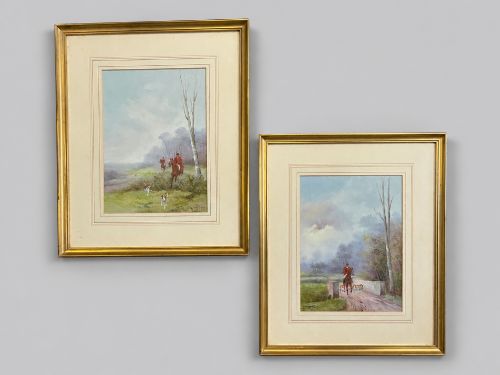
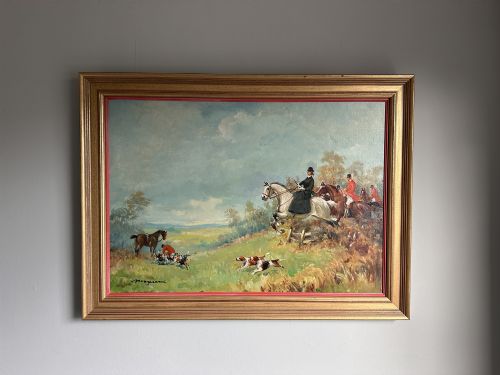
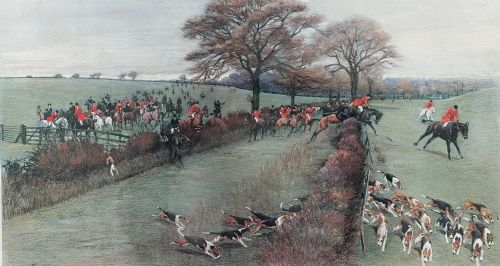
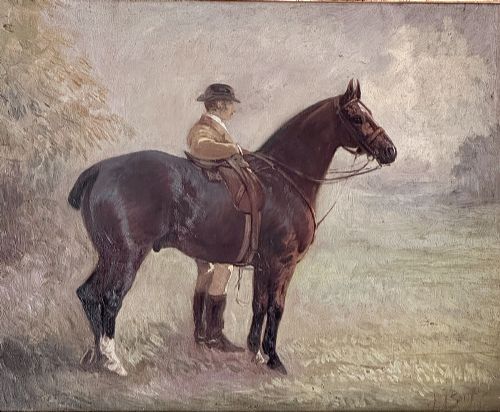
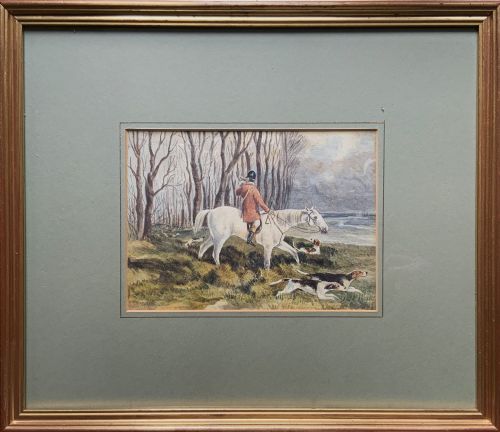
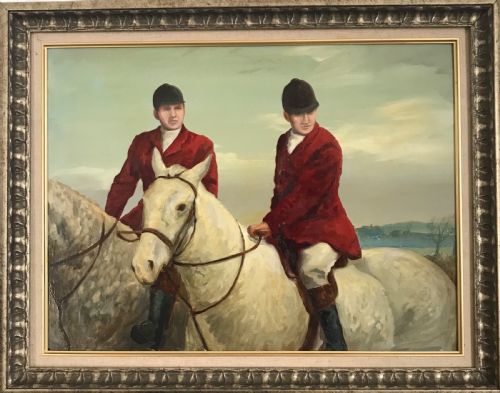
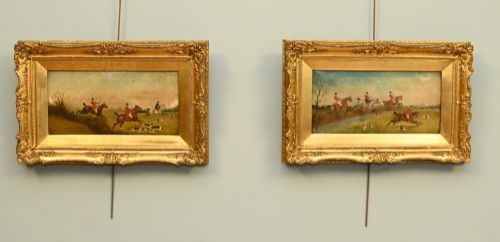
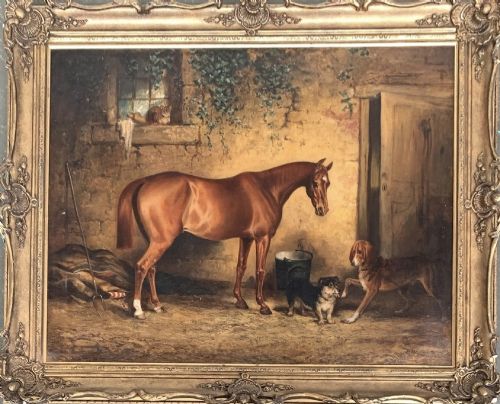
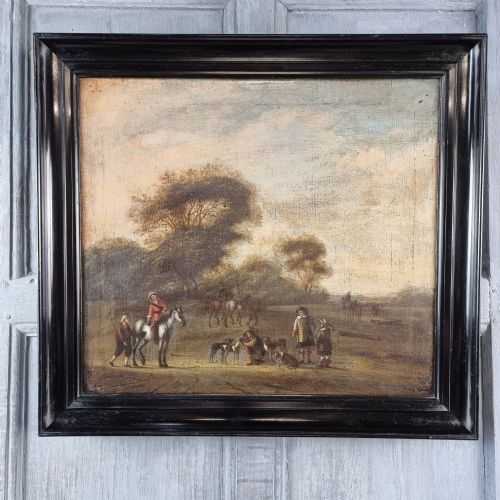
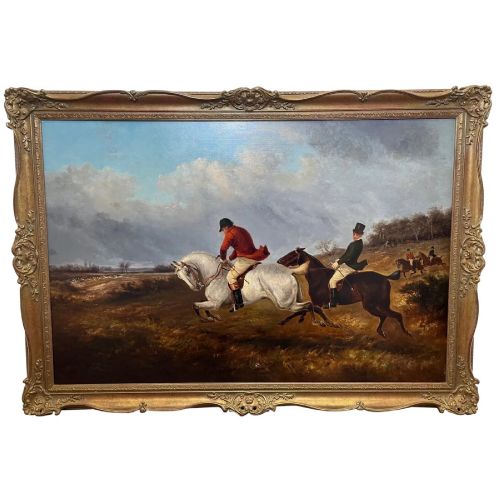
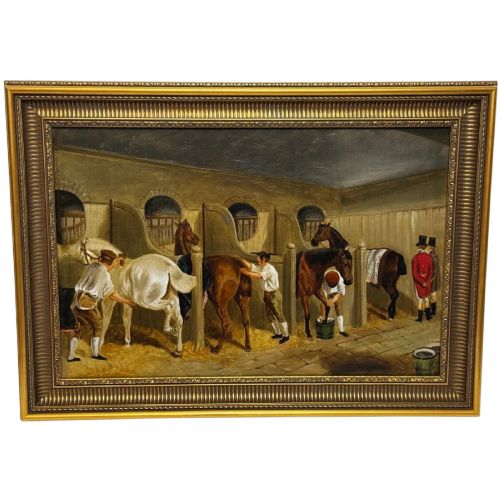
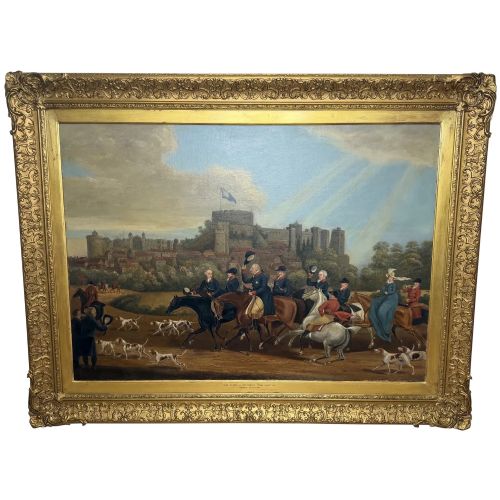
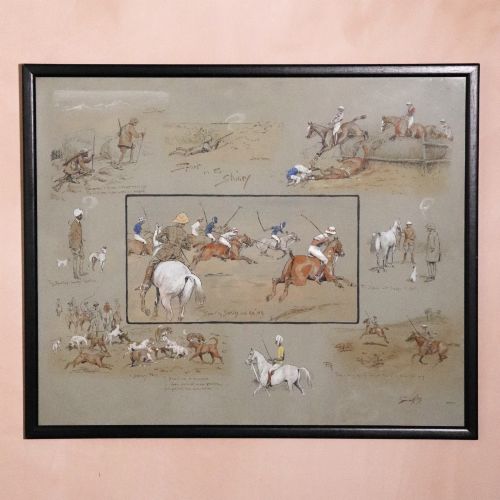
Hunting horse art comprises oil paintings, watercolours, and framed prints depicting equines, hounds, and riders in pursuit across open landscapes. Buyers encounter works ranging from Victorian oil paintings on canvas to Edwardian prints and twentieth-century watercolours.
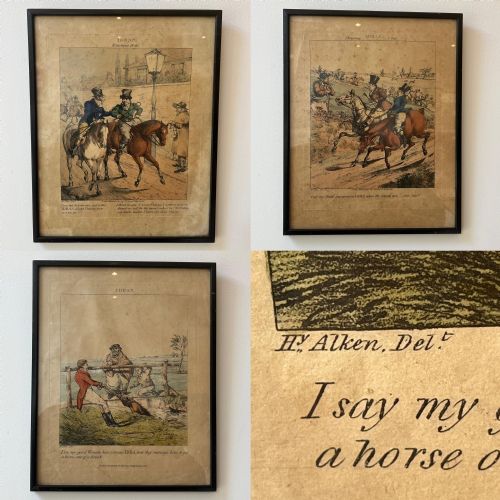
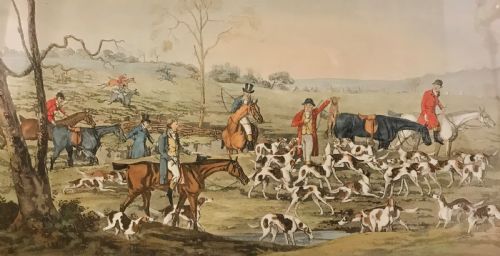
The subjects span formal equine portraits of named hunters, lively depictions of the meet, full cry, and coaching scenes. Many examples originate from the nineteenth century, reflecting the height of British sporting traditions and equestrian culture.
How they were made
Artists painted primarily in oil on canvas or applied watercolour and pencil to paper, frequently framing the finished works in gilt wood. Printmakers utilised hand-coloured engravings, lithographs, and aquatints to reproduce popular sporting imagery for broader circulation.
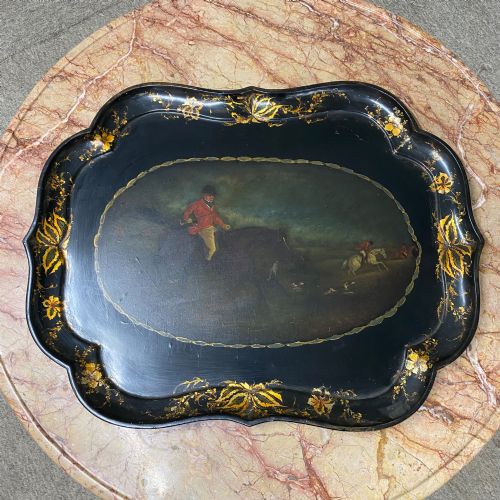
Specialised techniques such as reverse painting on glass also appear, alongside delicate pencil and chalk drawings. Materials like gold leaf frequently enhance the traditional frames accompanying these equestrian scenes.
Hunting Horse Art Retail Price Guide 2026
Typical asking prices for hunting horse art among the pieces listed under this phrase on Sellingantiques today, from the lower quarter to the upper quarter. They describe what is for sale here now, not the wider market.
Listings feature paper, wood, glass, oil on canvas, gilt wood, watercolour, canvas, and gold leaf.
What varies in quality
Quality rests upon the artist's ability to render the anatomy and musculature of the horse with anatomical precision and lively movement. Superior works capture the tension of the chase and the specific character of both hunter and hound rather than relying on formulaic compositions.
The handling of light, atmospheric landscape depth, and the integrity of the original medium further distinguish finer pieces. Framed items featuring period gilt wood mouldings retain an authenticity that elevates the presentation.
Henry Barraud·Thomas Smythe·George Wright·Basil Nightingale·Philip Henry Rideout·Michael Lyne·John Frederick Herring Jnr·John Sanderson-Wells·Charles Clifford Turner·Heywood Hardy·Charles Johnson Payne Snaffles·William J Hodgson
The Hunting Horse Art Glossary
- Aquatint
- An intaglio printmaking technique that produces tonal effects resembling watercolours through acid etching on copper plates.
- Full cry
- A hunting term describing the moment when the entire pack of hounds is actively barking while pursuing the scent.
- Lithograph
- A planographic printing process using a flat stone or metal plate to reproduce original drawings or paintings.
- Sporting art
- A genre of painting and illustration dedicated to depicting field sports, equestrian events, and hunting scenes.
- The meet
- The initial gathering of riders, horses, and hounds before setting off on the day's hunt.
Hunting Horse Art: Frequently Asked Questions
How do I date an old hunting painting?
Dating relies upon stylistic clues, artist signatures, framing materials, and the cut of the rider's clothing or tack. Period pigments and canvas preparations also offer helpful indicators of age.
Written inscriptions on the reverse or contemporary exhibition labels frequently provide definitive dates or provenance for the work.
What is the difference between an original painting and a print?
Original paintings feature unique brushwork and wet-in-wet pigment applications directly on canvas or paper. Examining the surface under magnification reveals the texture of the paint layers.
Prints display mechanical dot patterns, plate marks, or flat ink surfaces resulting from reproduction processes like lithography or engraving.
Where should I hang equestrian art in my home?
These works traditionally suit studies, libraries, and hallways with traditional architectural details and wood panelling. Pairing them with natural materials enhances their heritage aesthetic.
Avoid placing paper works or watercolours in areas exposed to direct sunlight to prevent fading of the pigments over time.