
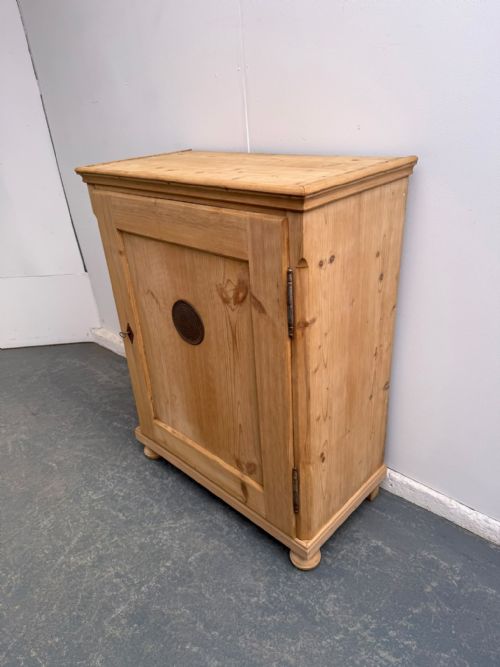
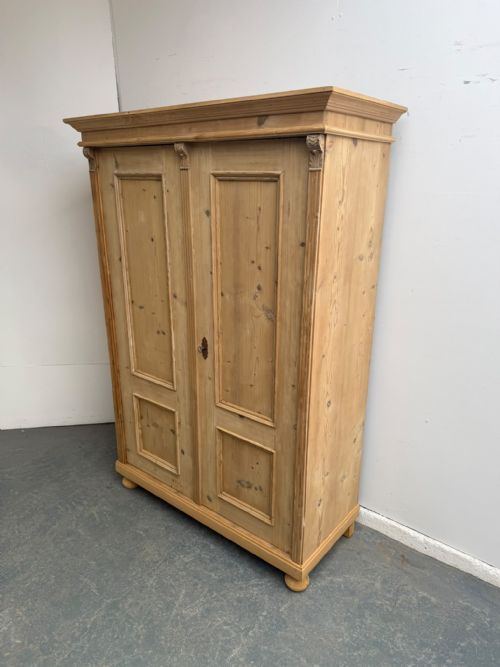

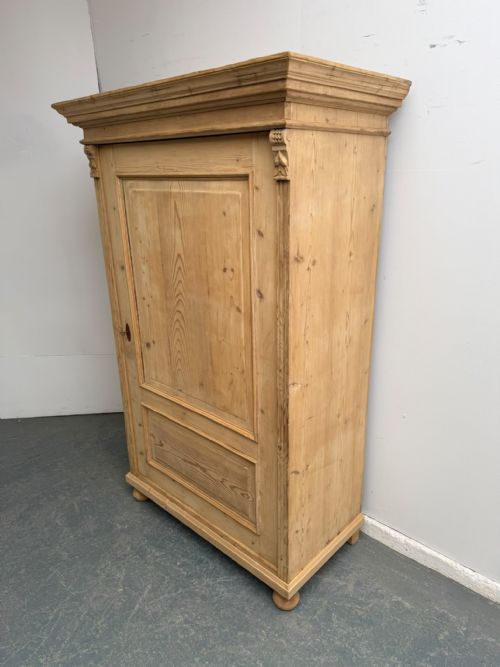
Housekeeper Pantry Cabinet
A housekeeper pantry cabinet provides substantial storage for domestic provisions, combining utilitarian function with robust construction.

Housekeeper Pantry Cabinet
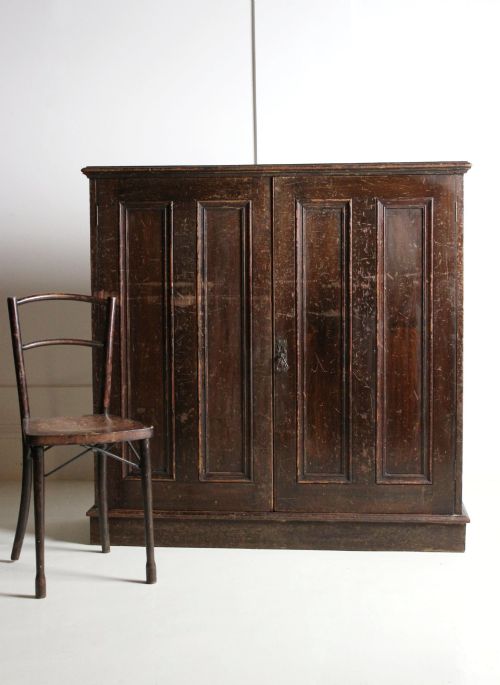
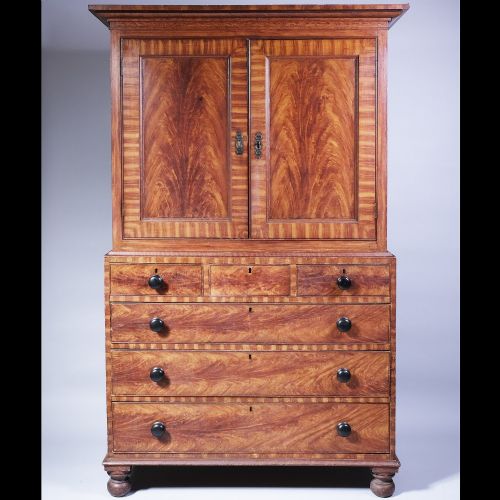
A housekeeper pantry cabinet is a large storage piece designed for provisions, linen, and kitchen goods. When exploring this selection, buyers encounter pieces primarily from the eighteenth and nineteenth centuries, spanning Georgian, Victorian, and Edwardian periods.
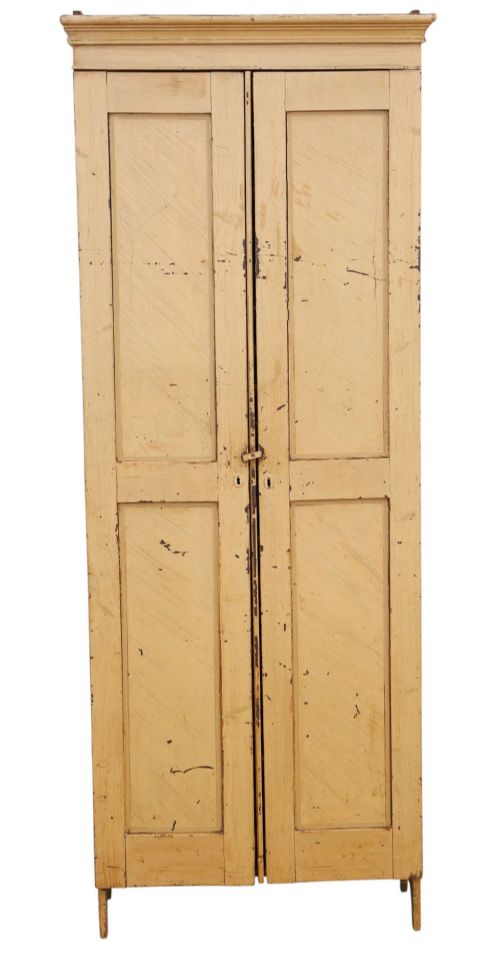
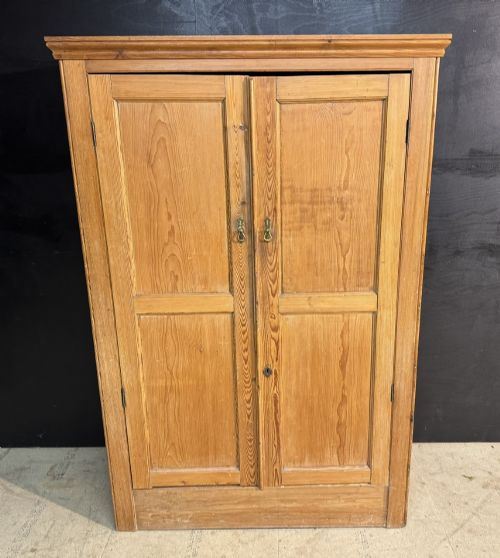
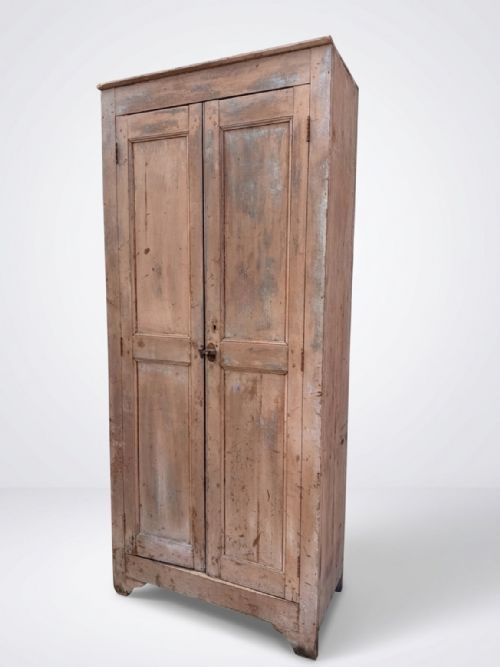
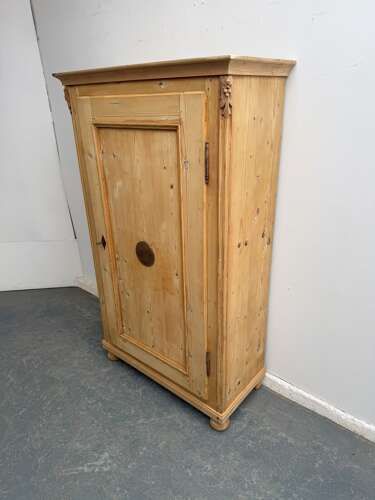
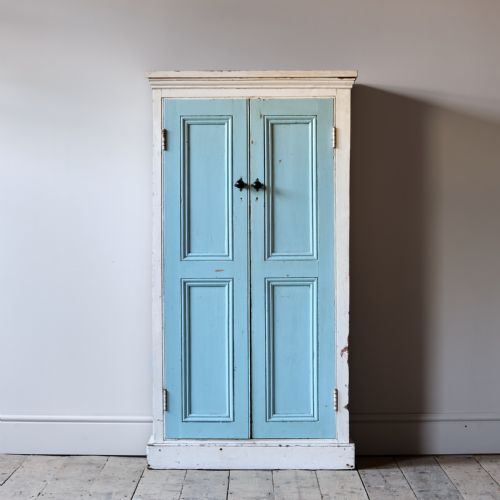
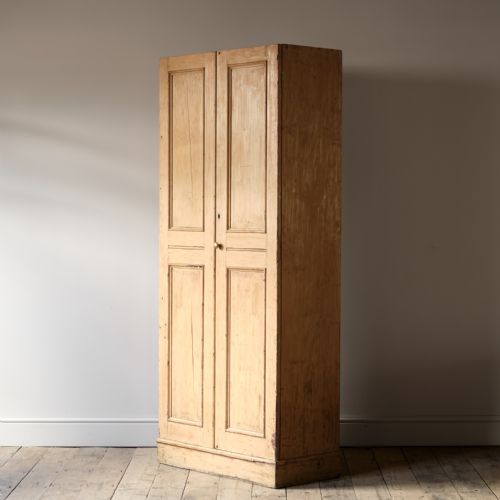
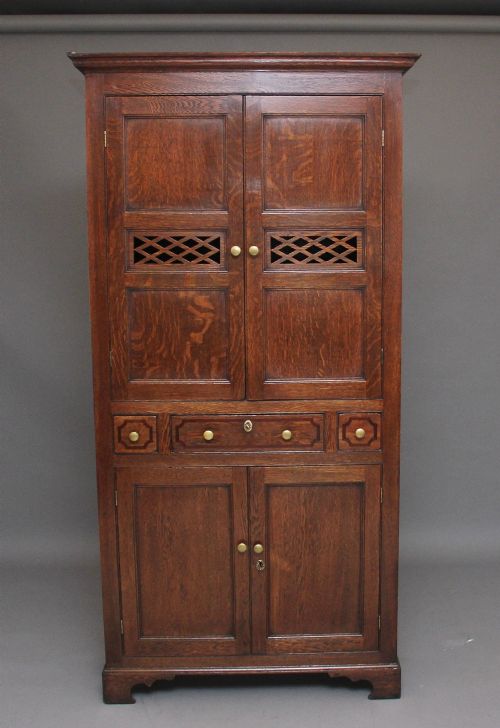
Most examples found on this page are constructed from pine, often retaining original paint, cream finishes, or scumble effects, alongside denser hardwoods like oak.
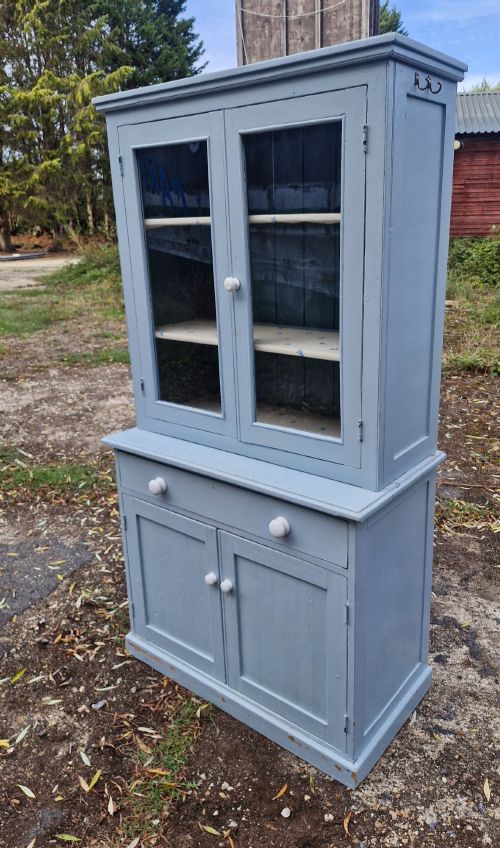
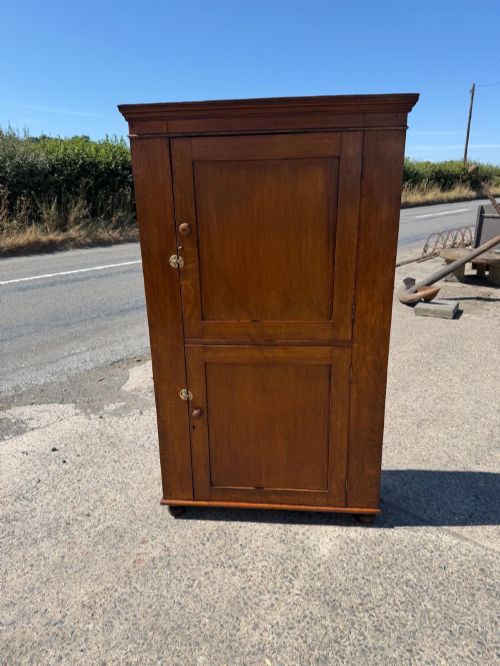
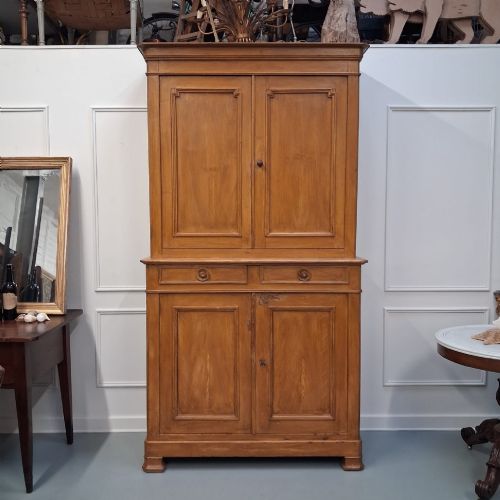
Forms range from tall narrow kitchen cupboards and two-part units to low wide storage cupboards and larder variants, originating from British country workshops and French provincial settings.
Materials and construction
Makers utilised softwoods such as pine and hardwoods like oak, often pairing structural panels with iron and brass hardware for hinges and handles.
Surface treatments are integral to the build, with many examples featuring historic layers of paint, wax, or scumble finishes applied to protect the wood.
Some nineteenth-century cupboards retain their original ventilation wire, once essential for keeping the mice away from the flour.
Separating the ordinary from the exceptional
Quality rests upon the integrity of the original timber and the survival of early or untouched surface finishes, such as original paint or period scumble.
Construction details like fielded panels, bun feet, and well-executed joinery distinguish standard utilitarian storage from finer provincial and country pieces.
The Housekeeper Pantry Cabinet Glossary
- Scumble paint
- A decorative glazing technique where a translucent layer of darker pigment is manipulated over a lighter base to imitate wood grain.
- Fielded panel
- A wooden panel with bevelled edges designed to fit within a frame, allowing the wood to expand and contract safely.
- Bun foot
- A rounded, slightly flattened spherical foot often found supporting Victorian and Georgian cabinetry.
- Larder cupboard
- A tall storage unit traditionally ventilated or lined for the preservation of food and perishable provisions.
Housekeeper Pantry Cabinet: Frequently Asked Questions
What is a housekeeper pantry cabinet?
A housekeeper pantry cabinet is a substantial storage unit historically used in large homes to store provisions, dry goods, and household linens.
These pieces typically feature multiple doors and internal shelving tailored for domestic organisation.
How do I care for a painted pine cabinet?
Painted pine requires gentle maintenance using a dry or barely damp cloth to avoid disturbing fragile historic paint layers.
Keep these cabinets away from direct heat sources and strong sunlight to prevent the timber and paint from drying out.
Are these cabinets made of solid wood?
The pieces listed utilise solid timbers such as pine and oak for their primary construction, frames, and internal shelving.
Traditional joinery methods ensure the panels remain stable over centuries of use.
How do I date a nineteenth-century cupboard?
Dating relies on observing construction traits, handle types, nail styles, and the characteristics of the timber finish.
Comparing structural details against known period styles helps establish an approximate date of manufacture.