



Horse and Hound Art
Horse and hound art captures the enduring spirit of the equestrian field and the hunt through centuries of fine painting and printmaking.
Horse and Hound Art
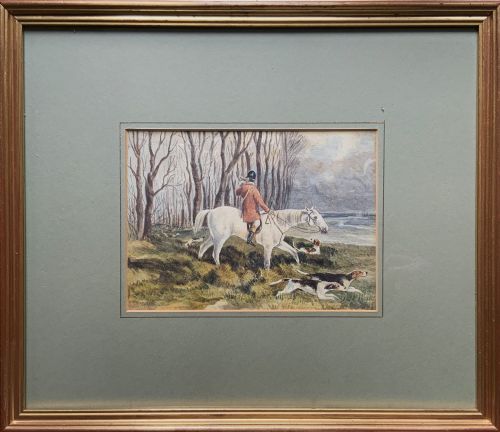
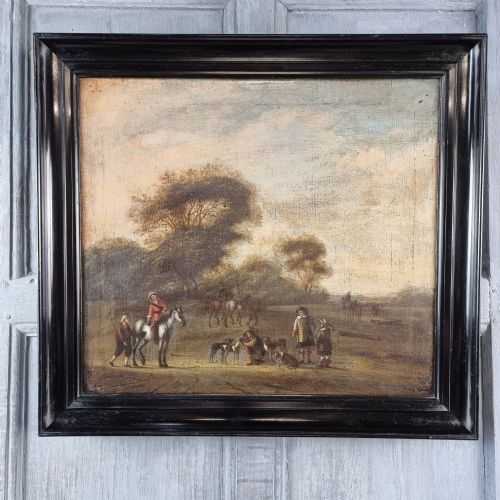
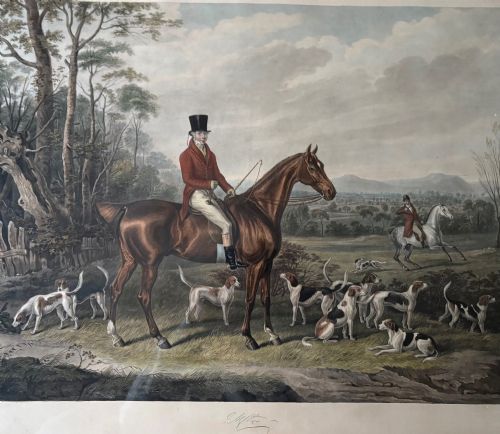
Horse and hound art encompasses oil paintings, watercolours, and engravings that depict the traditional scenes of the hunting field and rural coaching life. These works celebrate the deep relationship between riders, horses, and hounds across various landscapes from the seventeenth century to the mid-twentieth century.
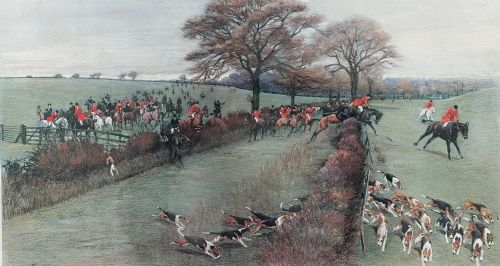
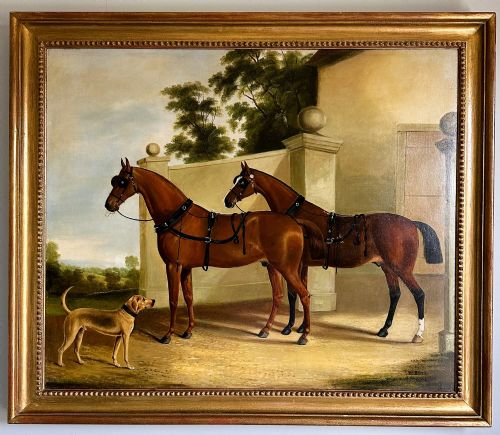
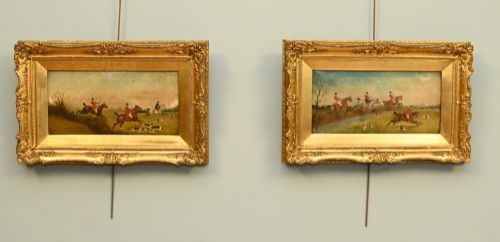
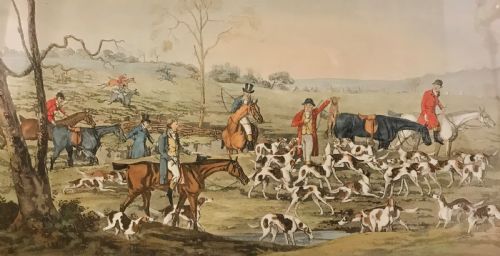
The most common pieces you will encounter on this page are nineteenth-century oil paintings and period prints detailing fox hunting scenes, carriage horses, and huntsmen in pursuit. Such works range from large canvas oil paintings by established sporting artists to smaller hand-coloured engravings and lithographs.
Materials and Technique
Artists working within this genre relied primarily on oil paint on canvas or panel, capturing the dynamism of horses and hounds through layered brushwork and naturalistic palettes. Watercolours on paper and delicate ink drawings also appear frequently, often finished with gilt wood frames that complement the traditional subjects.
Printmakers utilised techniques such as lithography and engraving, frequently hand-colouring impressions to bring vibrancy to coaching and hunting subjects. These printed works were often published in sets or bound volumes alongside specific sporting literature and historical accounts.
Horse and Hound Art Retail Price Guide 2026
Typical asking prices for horse and hound art among the pieces listed under this phrase on Sellingantiques today, from the lower quarter to the upper quarter. They describe what is for sale here now, not the wider market.
The selection spans from seventeenth-century landscapes to mid-twentieth-century sporting oils, utilising materials like oil paint, gilt wood, and paper.
Judging Quality
Quality in these works rests upon the anatomical accuracy of the horses and hounds, alongside the artist's ability to render movement and tension in a landscape setting. A superior painting demonstrates careful attention to light, texture in the animal coats, and depth within the rural background.
The distinction between standard works and finer pieces often lies in the provenance and the specific hand of the artist, with named nineteenth-century painters commanding greater attention. Condition also plays a role, particularly the preservation of the original canvas surface and the presence of period framing.
Cecil Charles Windsor Aldin RBA·Edwin Henry Landseer·George Wright·John Sanderson Wells·Heywood Hardy·Guillaume Urban Régamey·George Goodwin Kilburne·Edward B Herberte
The Horse and Hound Art Glossary
- Aquatint
- An intaglio printmaking technique that produces areas of tone resembling watercolours. It was frequently used to reproduce topographical and sporting scenes in the nineteenth century.
- Lithograph
- A planographic print method utilising a limestone or metal plate. Artists used this to produce affordable yet detailed hunting prints for domestic interiors.
- Provenance
- The documented history of ownership of an antique piece. A recorded pedigree helps verify the authenticity and historical context of a sporting painting.
- Signet Ring
- A ring featuring a carved or raised seal device used historically for stamping wax. The listings include examples associated with notable historical figures and hunting ephemera.
- Oil on Canvas
- A traditional painting medium where pigments suspended in drying oils are applied to a stretched fabric support. This combination forms the backbone of fine sporting art from the nineteenth century.
Horse and Hound Art: Frequently Asked Questions
What subjects are common in horse and hound art?
These works primarily depict fox hunting scenes, carriage horses, stagecoaches, and huntsmen with packs of hounds across rural landscapes.
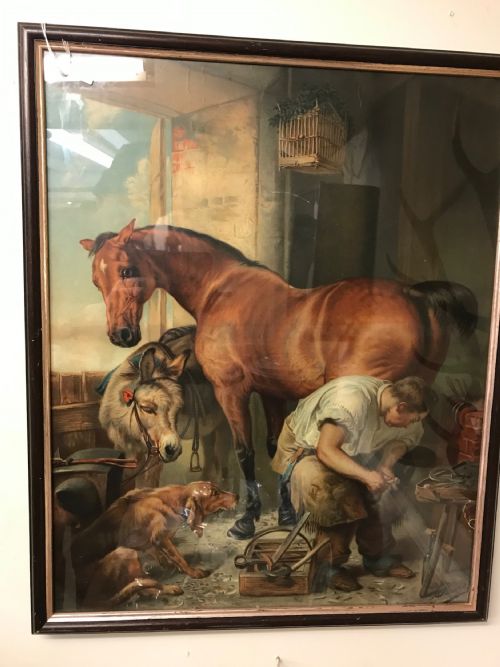
Many pieces focus on specific hunts, such as the Berkeley Hunt, or capture quieter moments like stable scenes and landscape studies with horses.
How do I date a nineteenth-century sporting oil painting?
Dating relies upon examining the canvas, stretchers, pigments, and the style of the clothing and tack depicted in the scene. Contemporary framing and handwritten provenance notes on the reverse also offer reliable clues to the exact period.
Signatures and dates applied by the artist provide the most direct evidence, though many nineteenth-century works remain unsigned or carry later inscriptions.
Where were these paintings displayed originally?
Sporting art typically hung in country houses, estate libraries, and sporting lodges associated with the landed gentry and hunting enthusiasts. They served as celebrations of rural pursuits and memorials to favoured packs of hounds or specific horses.
Today, these pieces transition easily into modern country houses, studies, and hallways, pairing well with traditional wooden furniture and leather upholstery.
How do prints differ from original oil paintings?
Original oil paintings are unique works executed directly on canvas or panel by the artist's hand, showing brushwork and texture. Prints such as lithographs and engravings are multiple impressions produced from an etched plate or stone, often hand-coloured afterwards.
While oil paintings represent singular artistic creations, period prints made these dynamic sporting scenes accessible to a broader Victorian audience.