


Hoop Back Chairs
Hoop back chairs are sturdy country dining seats offering rustic charm, built for everyday use with comfortable wooden seats and steam-bent frames.
Understanding hoop back chairs
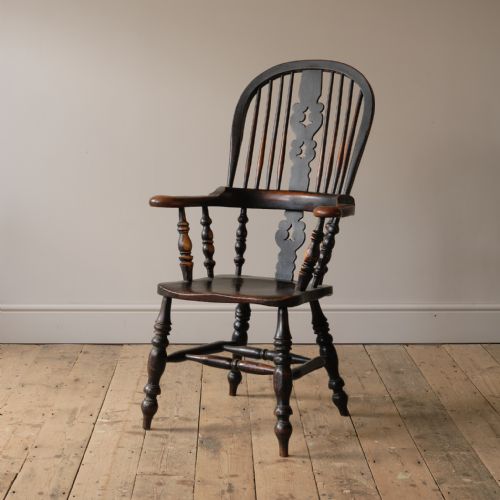
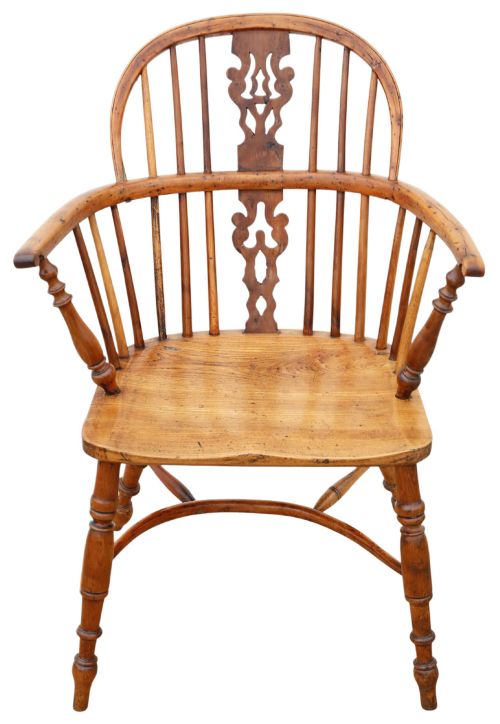
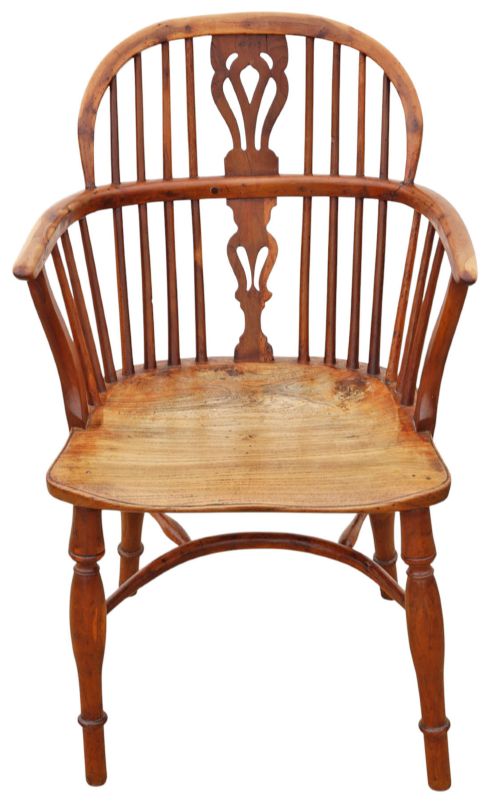
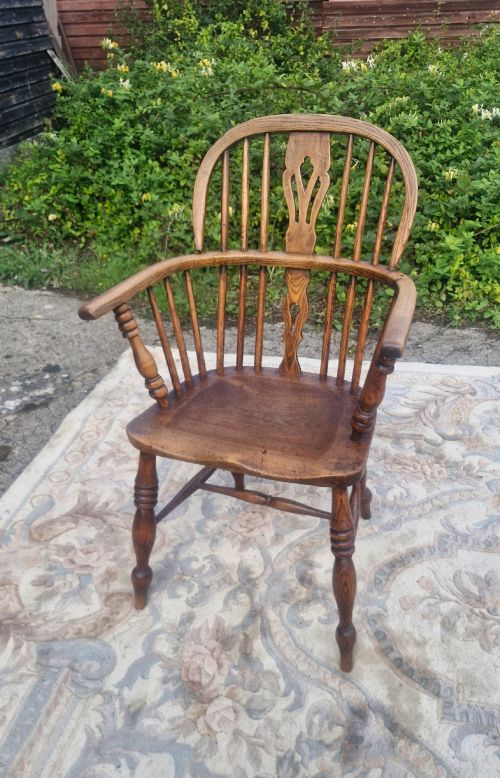
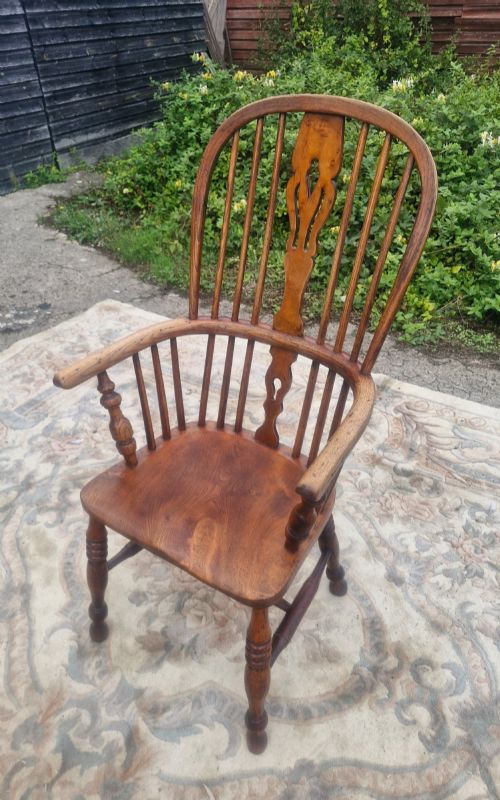
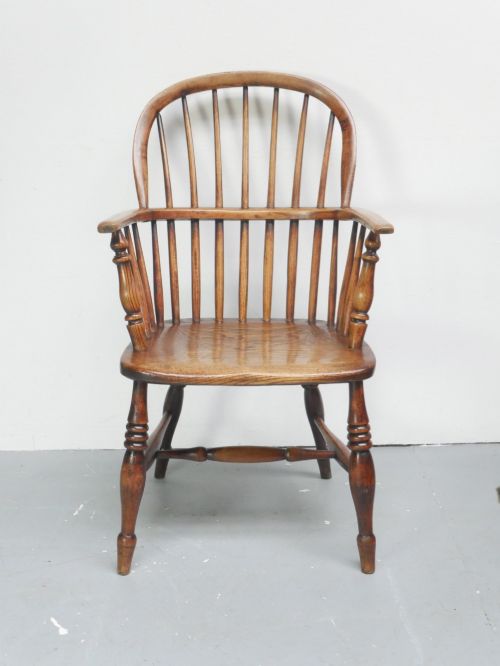
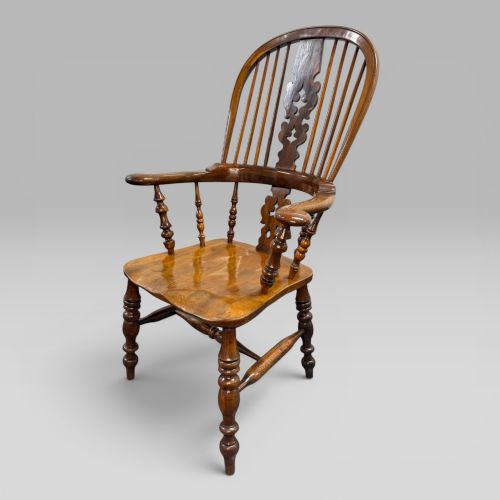
When you search for hoop back chairs, you encounter traditional Windsor forms rooted in English country and Edwardian country traditions. These dining chairs and kitchen chairs serve utilitarian roles, originally designed for robust daily use in farmhouses and domestic kitchens.
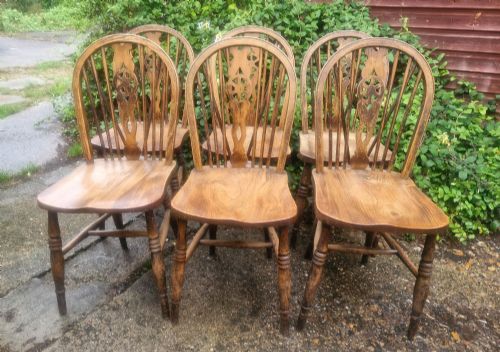
The evidence shows sets varying from pairs up to large groups of twelve, predominantly shaped as Windsor variants featuring stick backs, wheel backs, and wheatsheaf splats. Most surviving examples pair elm seats with ash or beech framing elements.
Origins span the nineteenth century through to early twentieth-century periods, with specific dates recorded from eighteen hundred up to nineteen ten. Buyers find both armchairs and standard dining chairs suited to traditional interiors.
Materials and construction
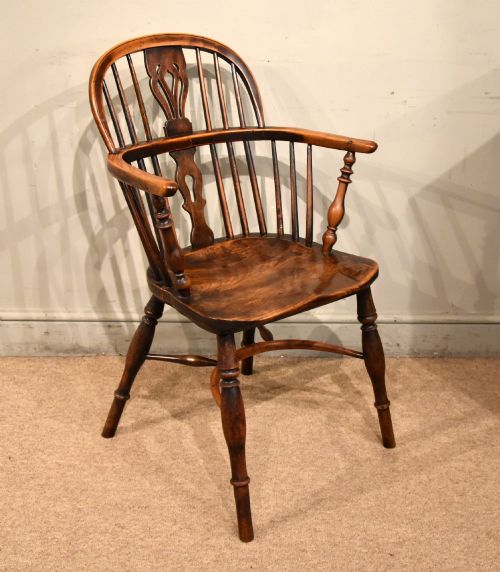
Joiners built these seats using domestic hardwoods, combining elm for solid contoured seats with ash, beech, and occasionally mahogany or yew wood for the spindles and legs. Elm provided the necessary stability for carved saddle seats without splitting under pressure.
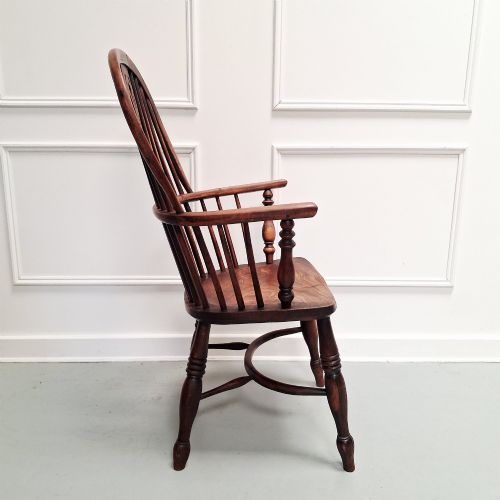
The defining hooped top section utilised steam-bent timber, shaped while pliable to form the continuous arched backrest characteristic of the style. Vertical spindles and stick backs were then wedged and pegged directly into the seat block.
Retail Price Guide 2026
Typical UK retail prices for hoop back chairs, calculated from the Sellingantiques database of over a million retail prices indexed since 2003. This retail price guide relies exclusively on Sellingantiques data; no external sources or auction records are used, so the figures do not describe the wider market.
The archive records large matching groups containing up to twelve dining chairs alongside smaller pairs and armchairs.
Judging quality in construction
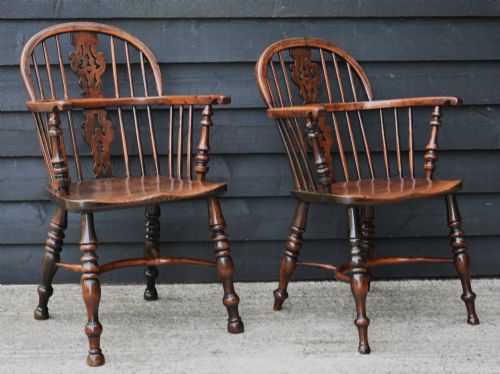
Quality separates through timber selection and the retention of original components across a set, particularly when matching large groups of four, six, or twelve pieces. Superior examples maintain balanced proportions in the steam-bent hoop and crisp turning on the legs and stretchers.
Sets displaying uniform grain patterns in the ash framework and matching elm seat blocks command greater attention than assembled near sets. The integrity of the wedged joints and the thickness of the original seat plank dictate the overall longevity.
The Hoop Back Chairs Glossary
- Windsor
- A chair built with a solid wooden saddle seat into which the back and legs are directly tenoned. This construction method defines the core structural integrity of the hoop back style.
- Hoop back
- A continuous arched backrest formed from a single steam-bent piece of timber that creates the main support frame. It provides ergonomic comfort through its curved geometry.
- Saddle seat
- A wooden seat base scooped and carved into a concave shape for comfort during prolonged sitting. Elm is frequently utilised for this component due to its interlocking grain.
- Stretcher
- Horizontal wooden rods connecting the legs underneath the seat to provide rigidity and structural support. They prevent the legs from wobbling under daily kitchen use.
- Wheel back
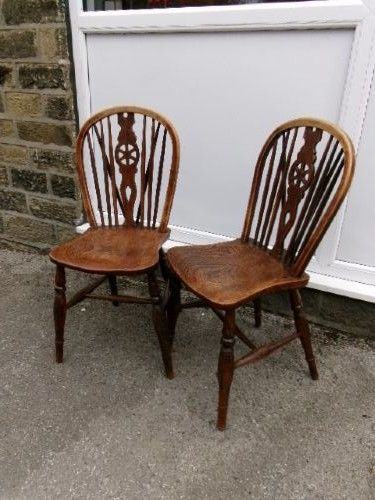
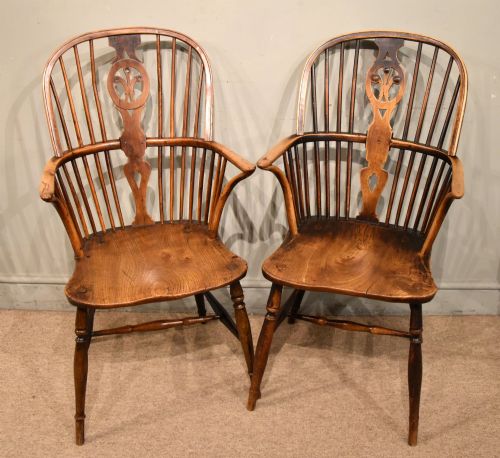
- A decorative pierced wooden splat shaped like a cartwheel inserted into the centre of the chair back. This detail appears frequently on nineteenth-century dining variations.
Frequently Asked Questions
Are hoop back chairs comfortable for daily dining?
The carved wooden saddle seats distribute weight effectively, making them practical for regular meals. Many people add loose squab cushions for extended sitting.
Their upright supportive frames encourage good posture at a dining table. The Windsor construction provides sturdy lumbar support through the vertical spindles.
How do I identify a 19th-century hoop back chair?
Look for turned ash or beech legs, steam-bent continuous hoops, and thick elm seat planks showing traditional pegged joints. Nineteenth-century examples often display hand-turned components with subtle variations between individual chairs.
Construction marks and timber patination also help indicate age. Matching sets from this era frequently exhibit the slight irregularities typical of workshop production before industrial standardisation.
Can I mix hoop back chairs around a modern table?
These country pieces adapt well to contemporary settings, adding texture and historical contrast to modern dining spaces. Their neutral wooden tones complement various interior styles.
Matching a pair or a small set creates an intentional focal point in a kitchen or dining room. The modest proportions fit comfortably under most standard table heights.
What is the difference between stick back and wheel back versions?
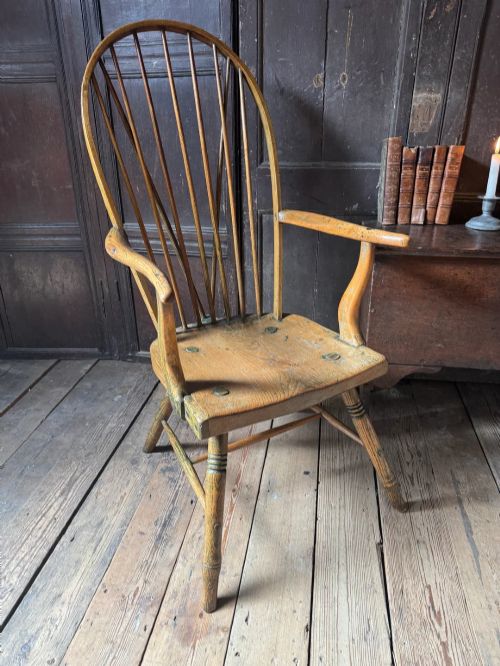
Stick backs feature simple vertical spindles running from the seat to the bent hoop. Wheel backs incorporate a solid central splat carved in the shape of a cartwheel.
Both styles utilise the same fundamental hoop back construction and Windsor frame. The choice between them depends entirely on decorative preference for the room.