





Hongmu Wooden Stand
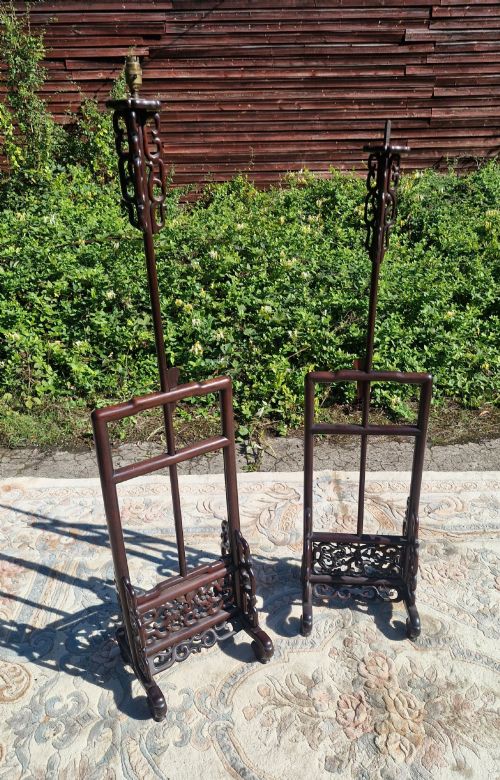
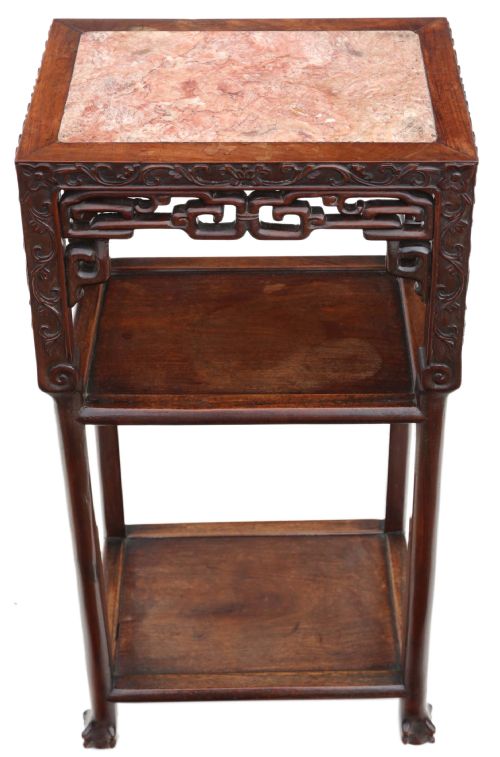
These hongmu wooden stand pieces bring dense hardwood and carved detail into a room, offering sturdy display surfaces for plants and urns.
Hongmu Wooden Stand
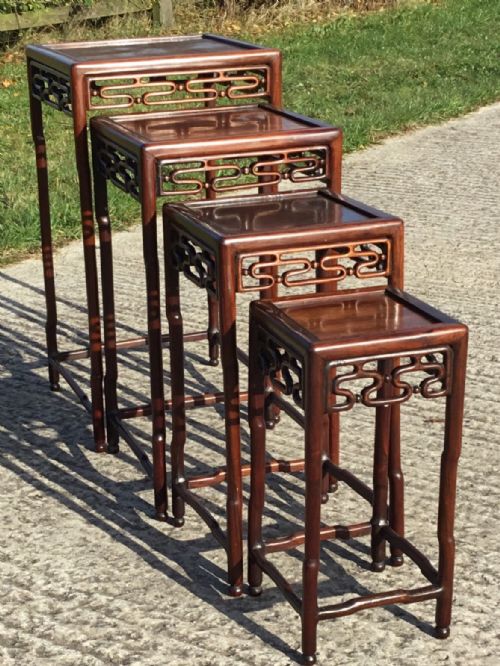
When searching for a hongmu wooden stand, a buyer encounters heavy display furniture originating from the Qing Dynasty through the early twentieth century. These pieces serve as plant stands, pedestals, low tables, and nest of tables designed to elevate decorative objects.
The version most commonly met on this page is the plant stand or pedestal featuring a sturdy timber frame and often a contrasting inset top.
Makers produced these items across various periods including the nineteenth century, Victorian era, and the nineteen-twenties, incorporating Chinese export and traditional Chinese styles.
Materials and construction
Artisans constructed these pieces using dense timbers such as hongmu, rosewood, and general hardwood, sometimes pairing the dark wood with burrwood veneers. Many examples incorporate carved wooden frames supporting smooth stone or marble inserts.
Certain floor lamps and adjustable lamp standards integrate brass elements alongside the primary wooden structures to provide functional lighting.
Hongmu Wooden Stand Retail Price Guide 2026
Typical asking prices for hongmu wooden stand among the pieces listed under this phrase on Sellingantiques today, from the lower quarter to the upper quarter. They describe what is for sale here now, not the wider market.
Some stands are surprisingly heavy, proving that Victorian and Qing dynasty makers took no shortcuts when anchoring a potted fern.
Assessing quality
The standard of carving across the wooden frame distinguishes finer examples from simpler production, with deep, crisp relief work showing greater artisan skill. Integrated materials like inset marble or burrwood panels also influence the overall refinement of a piece.
Form and utility further separate the range, as matched pairs and multi-tier or nest configurations demand more intricate joinery than single low tables.
The Hongmu Wooden Stand Glossary
- Hongmu
- A traditional Chinese term denoting dense, dark hardwoods used for fine furniture and decorative stands. It translates literally to red wood.
- Plant stand
- A tall, narrow piece of furniture designed to elevate potted plants or ornamental urns within a room. These stands often feature circular or square tops.
- Nest of tables
- A set of graduated tables designed to fit neatly beneath one another when not in use. They offer flexible surface space in compact areas.
- Burrwood
- Timber cut from a tree growth or burl, prized for its swirling, decorative grain patterns. It provides a striking contrast to straight-grained hardwoods.
Hongmu Wooden Stand: Frequently Asked Questions
What were these stands used for?
These pieces served primarily to elevate ornamental objects, vases, urns, and plants within traditional interiors. Their sturdy construction allowed them to support heavy decorative items securely.
Over time, forms like low tables and nests of tables also provided versatile surface space for daily domestic use.
How do I live with a hongmu stand?
These sturdy wooden pieces fit easily beside seating or in corners as lamp tables and plant pedestals. Their dense timber construction handles everyday placement well.
Keep them away from direct heat sources and sudden humidity changes to protect the wood and any inset marble panels.
How can I tell periods apart?
Nineteenth-century and Qing dynasty examples often display deep, traditional hand-carving and heavy hardwood construction. Pieces from the early twentieth century or Victorian period may reflect adjusted export designs or simpler lines.
Examining the joinery and timber selection helps indicate the approximate era of manufacture.
What is a nest of tables?
A nest of tables consists of a set of smaller tables that slide underneath the largest one to save space. They are typically made from rosewood or hongmu.
This design allows a household to expand available surface area quickly when entertaining guests.