


Holland and Sons
Holland and Sons pieces are distinguished nineteenth-century furnishings created by a prominent London cabinet-maker, sought after for their refined proportions and meticulous joinery.
Holland and Sons
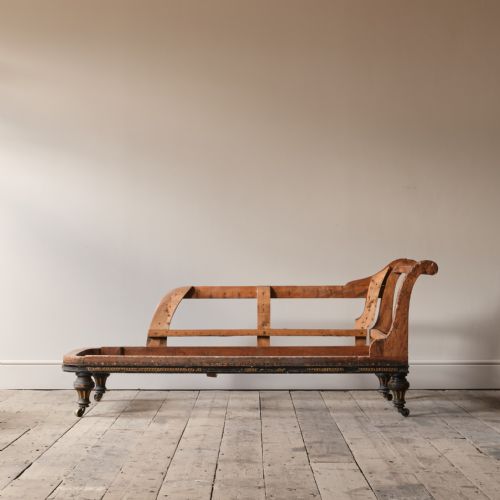
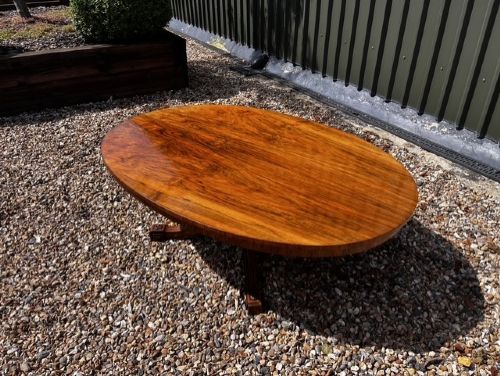
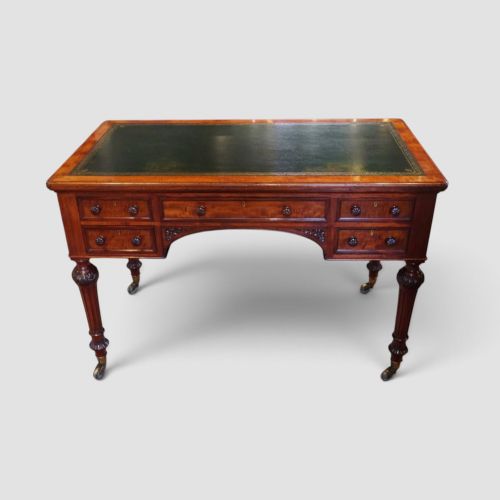
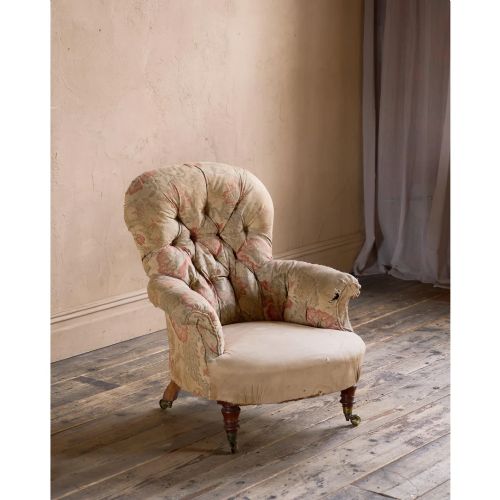
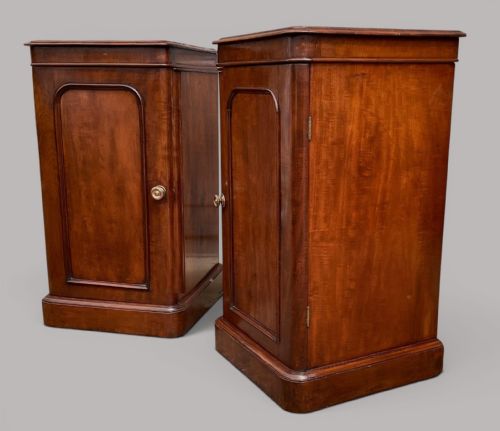
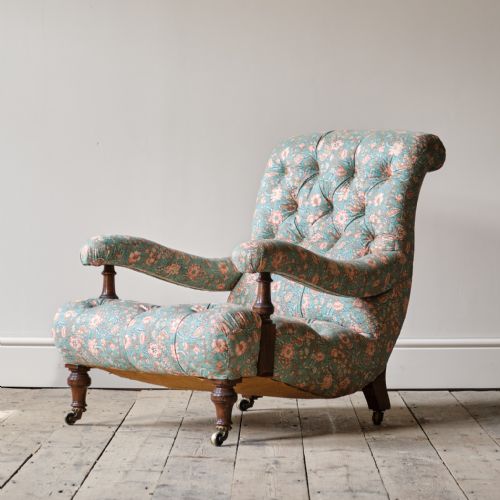
When searching for holland and sons, buyers encounter substantial nineteenth-century furniture ranging from elaborate seating and spacious partners desks to compact bedside cabinets and centre tables. The maker produced high-end furnishings for domestic interiors and major public commissions throughout the Victorian period. Pieces appearing in these records span various stylistic revivals alongside George IV and Aesthetic Movement designs. Seating and tables form the largest share of items currently available and archived from past sales.
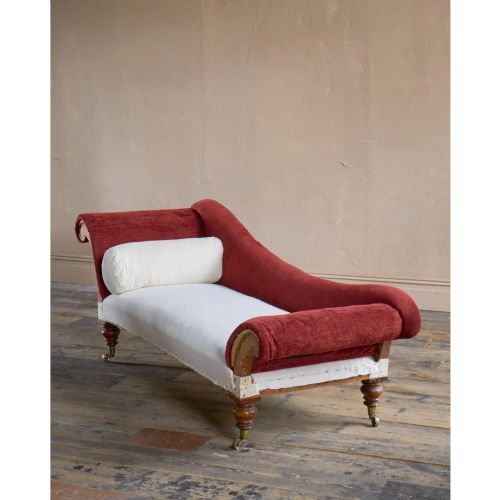
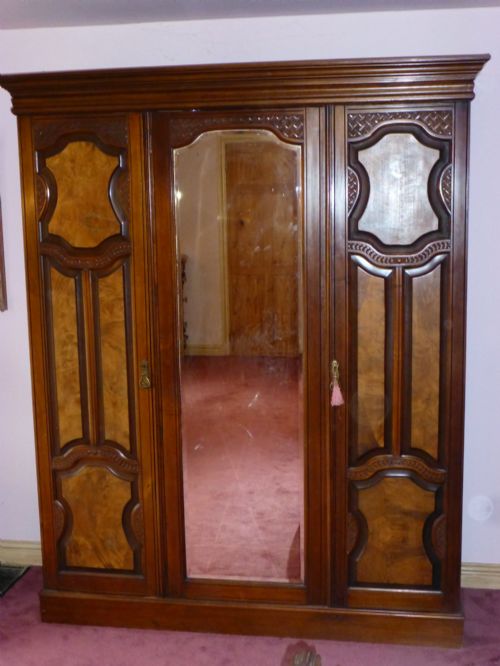
The firm utilised diverse forms including chaise longues, wardrobes, chiffoniers, and writing tables, often bearing stamps, paper labels, or recognizable construction traits. Victorian walnut and mahogany examples dominate the offerings, frequently showing detailed inlay, carving, or figural wood grains. Both signed pieces and items attributed through stylistic evidence appear across the inventory. Buyers find works spanning the early decades of the nineteenth century through to the eighteen-nineties.
Materials and construction
Cabinet-makers relied heavily on dense primary timbers such as mahogany, walnut, and burr walnut, alongside specialty veneers like Hungarian ash, amboyna, and satinwood. Solid oak and pine served as secondary woods for drawer linings and internal framing. Brass hardware, leather inserts, and rich textiles including velvet and specialist linen completed the upholstery and writing surfaces.
Joinery techniques emphasised structural durability and clean exterior lines, utilising precise dovetailing for drawers and robust internal bracing for heavy sideboards and partners desks. Carved giltwood, rosewood, and inlaid satin birch demonstrated advanced workshop capabilities across both seating frames and case furniture. Metal elements such as Cope Collinson castors supported functional mobility on heavy armchairs and tables.
Several dining chairs on offer once resided in the British Museum Reading Room, holding decades of scholarly coats and whispered debates.
Distinctions in execution
The hierarchy of quality in these pieces rests upon the selection of timber veneers and the intricacy of hand-carved ornamentation. Masterworks display highly figured burr walnut, seamless book-matched veneers, and deeply carved giltwood details that reflect exhibition-standard production. Simpler utility pieces rely on plain mahogany or oak with minimal decorative embellishment.
Structural integrity and the presence of original components define the upper tier of surviving examples. Items retaining stamped maker marks, original leather, and period hardware command stronger interest than heavily restored or later attributed pieces. The precision of cabinet joinery and the sharpness of decorative carving separate standard workshop output from exceptional commissions.
Holland and Sons
The Holland and Sons Glossary
- Partners desk
- A large double-sided desk designed with drawers and cupboards on both faces so two people could work opposite each other. These massive pieces frequently utilised mahogany or burr oak.
- Compactum
- A large fitted wardrobe combining hanging space, drawers, and shelving within a single multi-door carcass. This form showcases the elaborate internal carpentry typical of mid-nineteenth-century workshops.
- Etagere
- A set of open tiered shelves used for displaying decorative objects or small books. These items often appeared in walnut or exotic veneers during the Victorian era.
- Chiffonier
- A low sideboard or cabinet featuring cupboards enclosed by doors, often surmounted by a shelf or mirror back. They served as versatile storage furniture in nineteenth-century dining and living rooms.
- Giltwood
- Timber that has been coated with a thin layer of gold leaf or gilt pigment. This finish was applied to decorative armchairs and formal reception furniture.
Holland and Sons: Frequently Asked Questions
How do I identify a stamped piece?
Makers frequently applied ink stamps, paper labels, or branded signatures directly onto drawer edges, backboards, or the underside of tables and seating.
Searching cabinet interiors and structural rails often reveals these identifying marks alongside serial numbers.
What woods were used most frequently?
Mahogany and walnut form the majority of surviving examples, supplemented by burr walnut, rosewood, and oak for specific functional requirements.
Exotic veneers like amboyna and Hungarian ash appeared on high-end exhibition pieces and specialised writing furniture.
How should I care for nineteenth-century leather?
Original leather writing surfaces and upholstery benefit from gentle cleaning with specialised conservation waxes rather than modern chemical treatments.
Maintaining stable indoor humidity prevents the dry cracking common in antique animal hides and vegetable-tanned leather.
Are attributed pieces as desirable?
Attributed items share construction characteristics, stylistic details, and proportions with documented signed works from the workshop.
While stamped pieces carry definitive provenance, strong stylistic attribution still represents the same high standard of nineteenth-century craftsmanship.