

Historical Wall Portrait
A historical wall portrait brings centuries of character into a room, capturing statesmen, nobles and thinkers in oils, engravings and miniatures.
Historical Wall Portrait
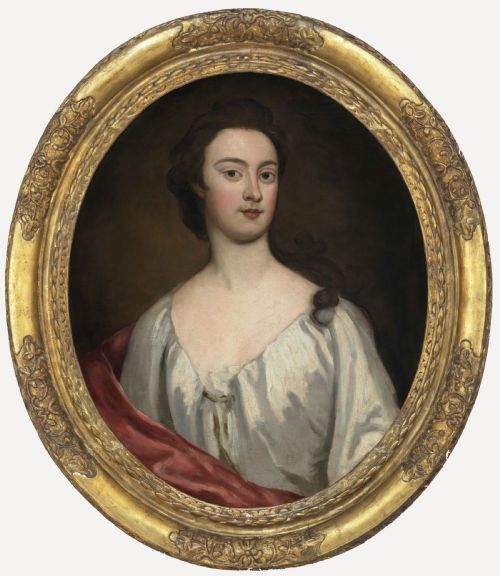
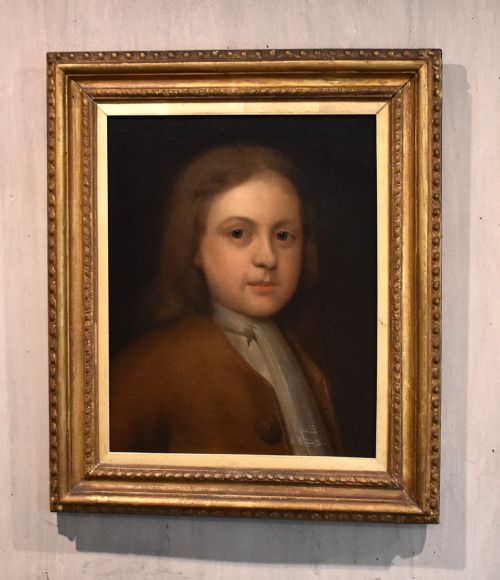
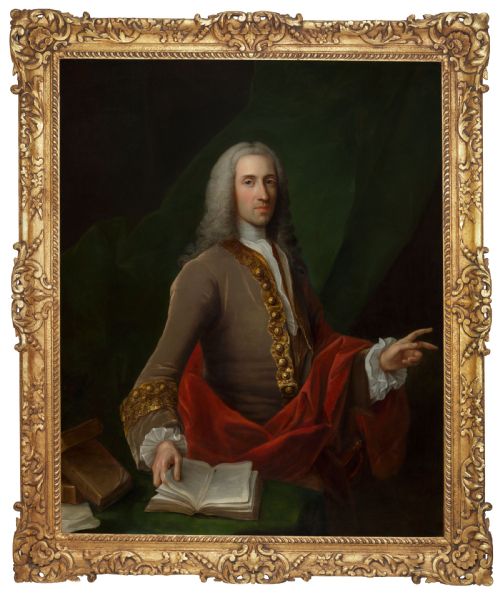
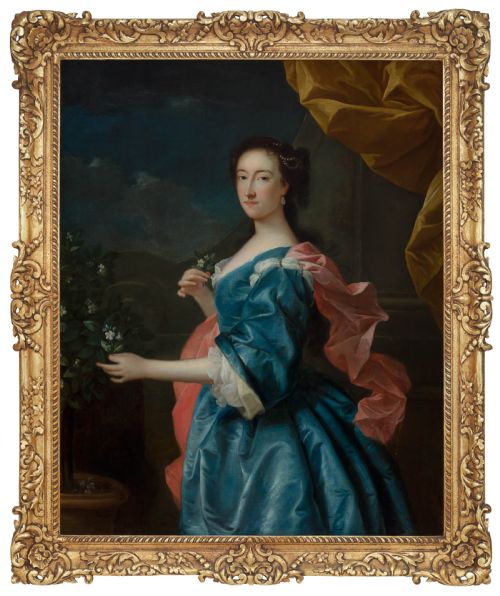
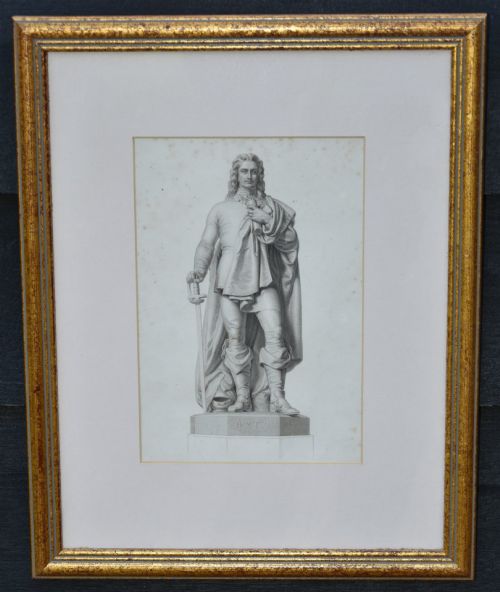
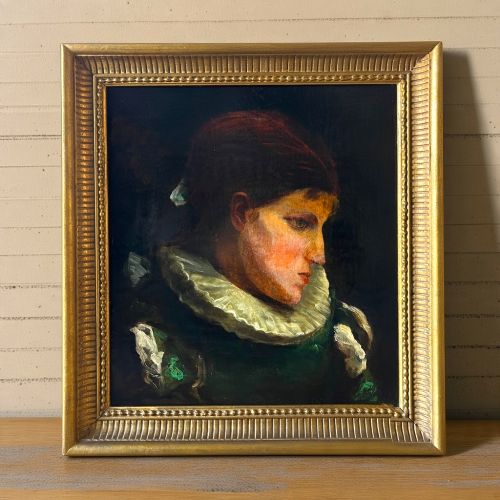
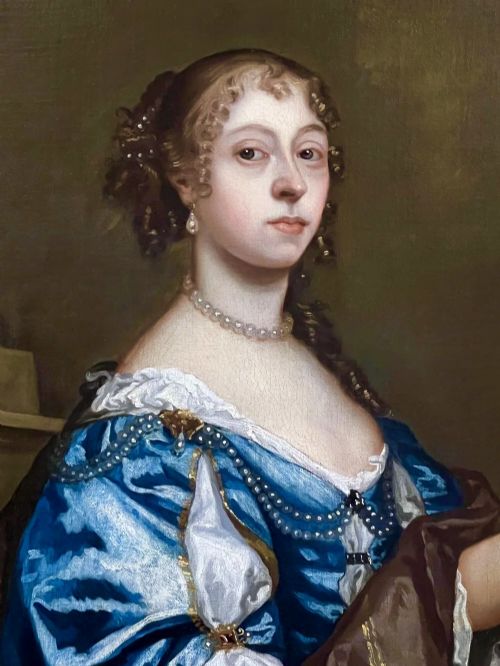
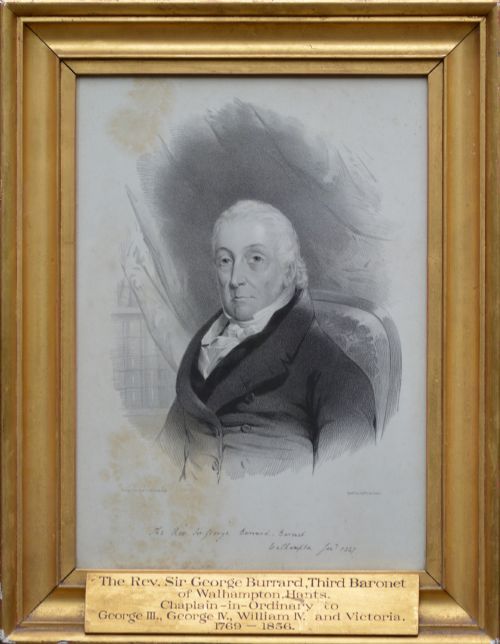
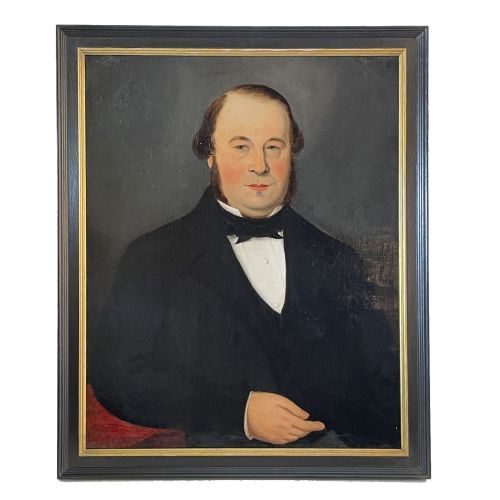
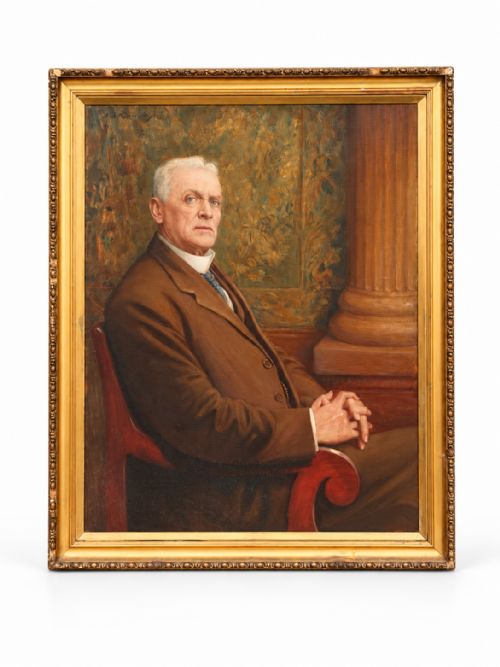
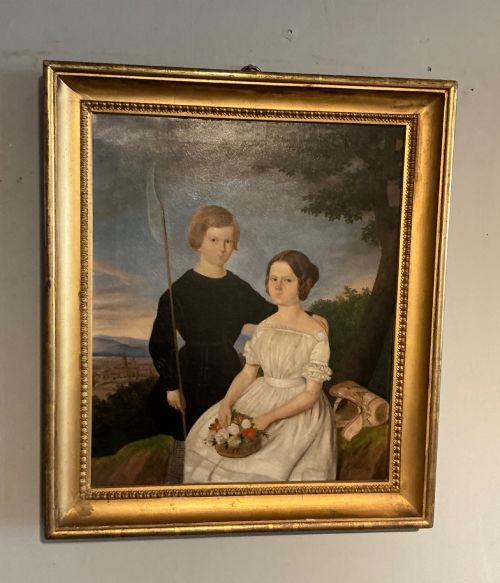
A historical wall portrait represents named individuals or period types captured in paint, print or panel across several centuries. The selection on this page spans oil paintings, engravings, mezzotints and watercolours, reaching back as far as the sixteenth century.
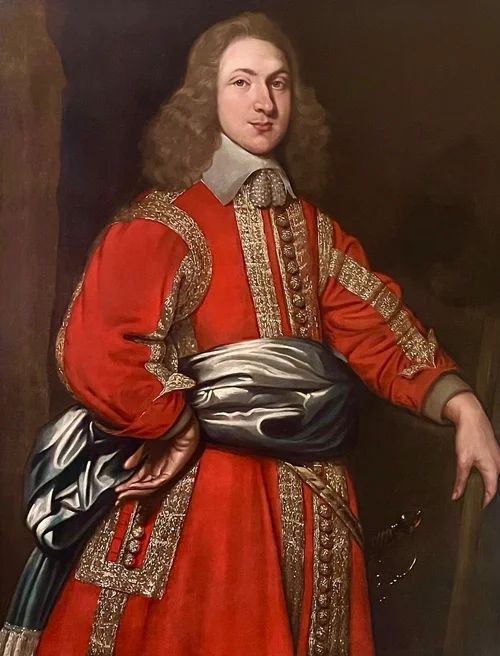
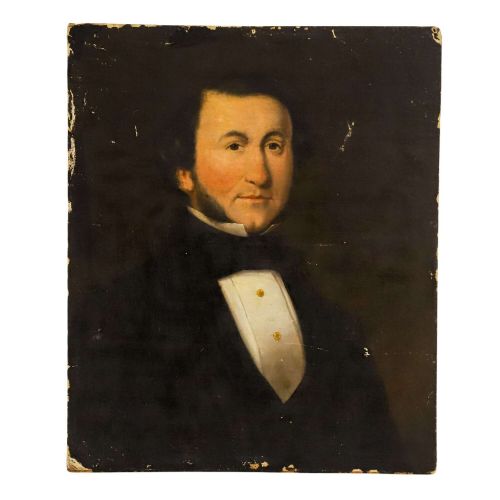
Most pieces encountered here date from the eighteenth and nineteenth centuries, reflecting Georgian and Victorian tastes for recording lineage and public figures. Canvases and framed prints depict subjects ranging from military officers and nobility to artists and politicians.
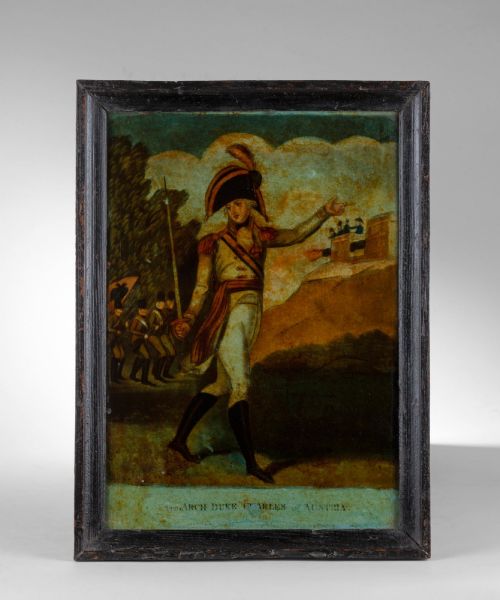
Forms vary from large oil paintings on canvas and board down to intimate miniature watercolours and reverse glass prints. Each format served a different domestic or public space, from grand reception rooms to private studies.
Materials and techniques
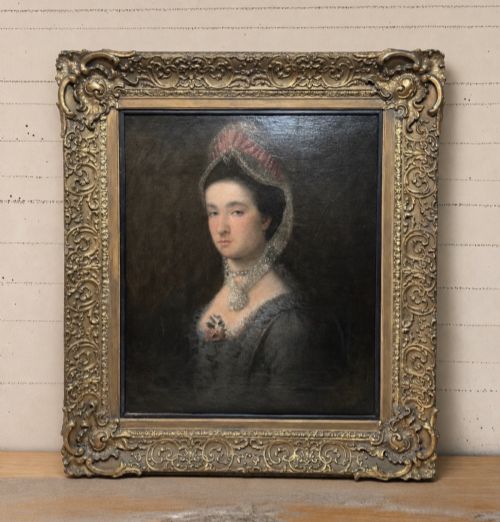
Artists relied primarily on oil on canvas or oil on board, building rich depths through layered pigments and glazes. Many works employ traditional wood framing, occasionally highlighted with giltwood and gold leaf to complement the subject.
Printmakers utilised copper plates to produce detailed engravings and mezzotints, translating painted likenesses into multiples on paper. Paper works were frequently protected behind glass and set within period frames.
Historical Wall Portrait Retail Price Guide 2026
Typical asking prices for historical wall portrait among the pieces listed under this phrase on Sellingantiques today, from the lower quarter to the upper quarter. They describe what is for sale here now, not the wider market.
Listings feature works spanning from the sixteenth century through to the twentieth century, using oil on canvas, paper, glass and giltwood.
What varies in quality
Skill in capturing likeness and psychological depth separates standard studio output from exceptional portraiture. Superior hands render hands, fabrics and facial expressions with convincing anatomy and subtle tonal graduation.
The integrity of the surface and framing condition plays a major role in a piece's standing. Original stretchers, untouched paint layers and period frames contribute significantly to the historical coherence of the work.
Jeremiah Davison·Pieter Borsseler·John Finlayson·Sir Joshua Reynolds·James Watson·David Scougall·Francesco Bartolozzi·John Simon·Michael Dahl·James Ferguson
The Historical Wall Portrait Glossary
- Mezzotint
- A printmaking process of the intaglio family where the plate is roughened to achieve rich dark tones and subtle gradations of light. This technique gained popularity for reproducing oil portraits during the eighteenth century.
- Intaglio
- A design carved into the surface of a material such as stone or glass, creating a sunken image. Antique examples include framed sets of historical monarchs.
- Stipple engraving
- A method of producing prints by means of dots rather than continuous lines, allowing for delicate tonal transitions. It was frequently employed for reproducing classical portraits in the eighteenth century.
- Giltwood
- Wood that has been coated with a thin layer of gold leaf or powder. This finish frequently frames high-status historical portraits from the Georgian and Regency periods.
- Reverse glass print
- An image painted or transferred directly onto the back of a piece of glass to be viewed from the front. This technique produces a glossy finish distinct from standard paper prints.
Historical Wall Portrait: Frequently Asked Questions
What is a historical wall portrait?
A historical wall portrait is a painted, engraved or printed likeness of a specific person from past centuries, designed for display on a wall. These works record the faces of nobility, military figures and ordinary citizens across eras.
Subjects range from seventeenth-century military officers in red coats to nineteenth-century politicians and monarchs. They serve both as records of lineage and as decorative focal points.
How were these portraits originally displayed?
Large oil paintings hung in the grand reception rooms and galleries of country houses to display family status and heritage. Smaller prints and miniatures often decorated intimate private studies or bedchambers.
Many works retain their original frames, which were chosen to complement the architectural style of the period. This pairing of art and frame helps establish their historical context.
How can I tell the period of a portrait?
Costume, hair styling and framing styles provide the clearest clues to a portrait's era. Ruffs, lace bonnets and military uniforms altered significantly between the seventeenth and nineteenth centuries.
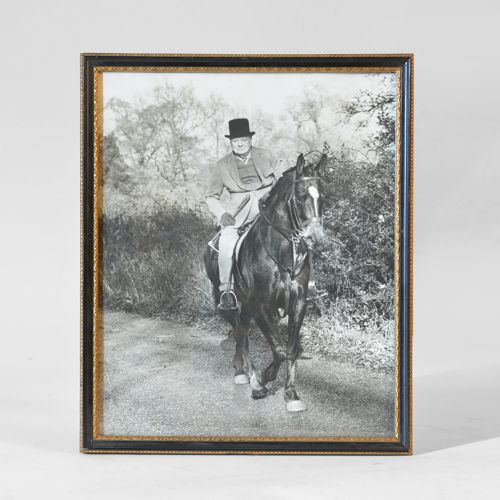
Techniques also shift over time, moving from heavy seventeenth-century oil pigments to eighteenth-century mezzotints and nineteenth-century photography or stipple engravings. Examining the support, whether canvas, panel or paper, aids in dating.
How do I care for antique portrait art?
Keep portraits away from direct sunlight and damp environments to protect fragile canvas, paper and pigments. Stable room temperatures prevent the wood and canvas supports from warping or cracking.
Dust frames gently with a dry cloth and avoid applying liquid cleaners to painted surfaces or historical paper prints. Professional conservators should handle any structural repairs or cleaning.