








Historical Wall Plaque
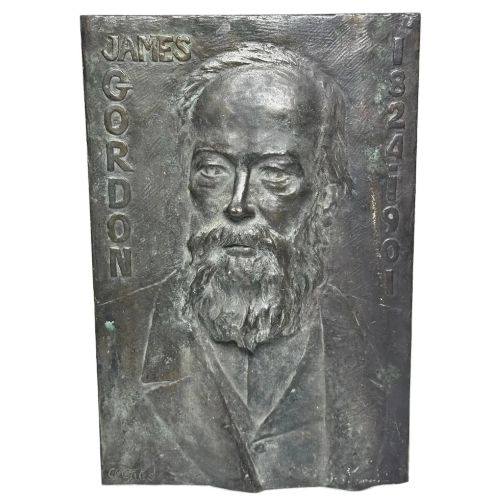
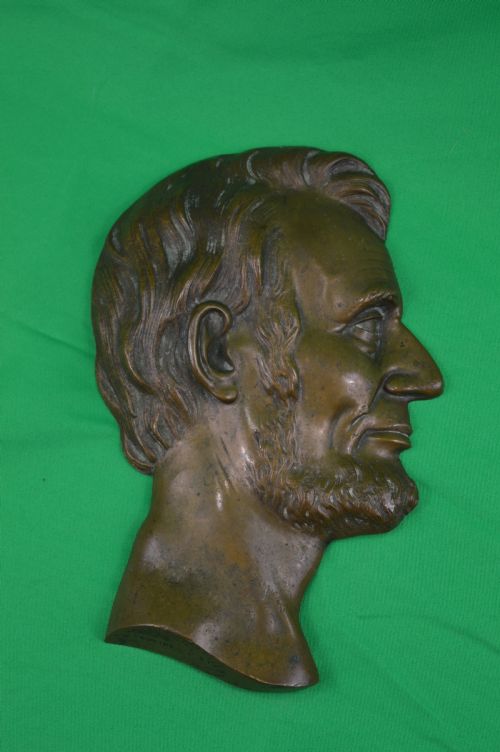
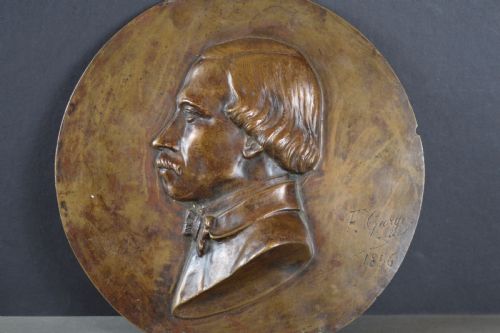
These historical wall plaque examples capture significant figures, classical scenes, and great exhibitions in bronze, porcelain, and carved wood.
Historical Wall Plaque
A historical wall plaque brings portraiture, military history, and classical narrative directly into domestic and institutional spaces. Collectors search for these pieces to anchor a room with tangible connections to past centuries, notable figures, and significant events.
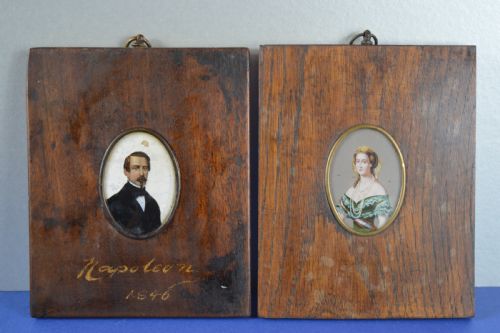
The selection on this page draws heavily from the nineteenth century, spanning Victorian, Edwardian, and Renaissance Revival aesthetics. Buyers meet everything from large porcelain chargers and cast iron portrait pairs to exhibition medals and framed miniatures.
Forms vary from heavy bronze reliefs and marble memorials to painted papier-mâché and wood carvings. Each item serves primarily as visual commemoration, designed to be hung at eye level or mounted securely against interior walls.
Materials and production methods
Ceramic examples employ porcelain and tin-glazed earthenware, painted with detailed historical scenes and fired at high temperatures. Gold leaf and enamel finishes frequently add rich colour and decorative contrast to these surfaces.
Wood and paper substrates involve carving, mounting, and painting, often framed for preservation and display. Oak and papier-mâché provide stable backing for sepia photographs and delicate portraits.
Historical Wall Plaque Retail Price Guide 2026
Typical asking prices for historical wall plaque among the pieces listed under this phrase on Sellingantiques today, from the lower quarter to the upper quarter. They describe what is for sale here now, not the wider market.
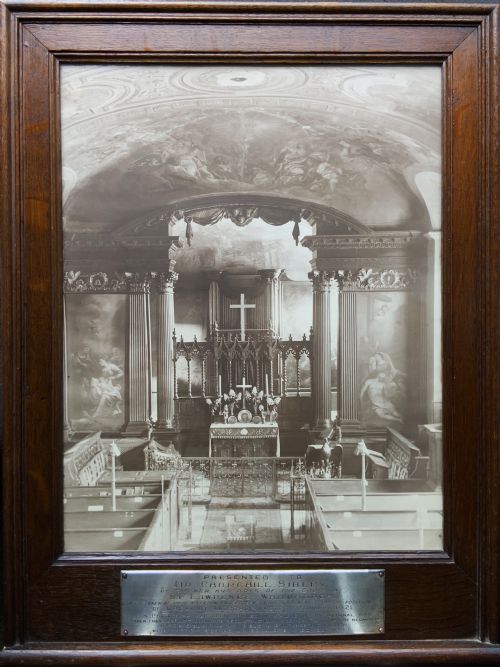
Someone once mounted a solemn church altar photograph so firmly it survived the twentieth century disguised as an architectural wall relic.
Distinctions in craftsmanship
Quality rests in the crispness of the casting and the finesse of the hand-finishing, where superior bronze reliefs display sharp facial contours and deep relief rather than soft, blurred edges. Finer porcelain and maiolica chargers exhibit precise brushwork and controlled pigment application across complex narrative scenes.
The integrity of the material and the preservation of the original surface patination dictate the standing of a piece. Examples retaining their original framing, gilding, and untouched bronze patina command greater regard among collectors.
Smith, Beck and Beck·Alice Gates·J Lavergne
The Historical Wall Plaque Glossary
- Patinated bronze
- Bronze that has developed a chemical surface coating through age or intentional treatment. This finish protects the metal and introduces subtle tonal variations.
- Maiolica
- Tin-glazed Italian earthenware of the Renaissance and revival periods, painted with bright colours and historical or mythological narratives. These ceramics are typically fired over an opaque white glaze.
- Exhibition medal
- A commemorative metal plaque issued to participants or winners at international industrial and cultural exhibitions. These objects document nineteenth-century technological and artistic competitions.
- Portrait miniature
- A small, highly detailed painting or relief likeness, often set within a dedicated frame. Such pieces capture historical figures or family members with intimate precision.
Historical Wall Plaque: Frequently Asked Questions
Where should I display porcelain chargers?
Porcelain chargers and decorative plates suit dining rooms, libraries, or hallway walls where ambient light highlights their painted surfaces. Use secure spring-loaded wall hangers designed specifically for heavy ceramic platters.
Keep these pieces away from direct sunlight and sources of extreme heat to protect the underlying ceramic glazes and painted details over time.
How do I clean patinated bronze safely?
Dust bronze and patinated metal surfaces gently using a soft, dry natural bristle brush. Avoid chemical cleaners, metal polishes, or abrasive cloths that strip away historical patination.
Maintaining a stable indoor humidity level prevents moisture accumulation and preserves the original surface finish of the metal.
How are nineteenth-century ceramic plaques dated?
Nineteenth-century ceramic plaques and chargers often feature factory marks, painted artist signatures, or commemorative text on the reverse. Stylistic indicators, such as Renaissance Revival motifs or specific portrait subjects, also help narrow the period.
Comparing the glaze composition and framing style against documented production eras provides further confirmation of age.