



Historical Seascape Painting
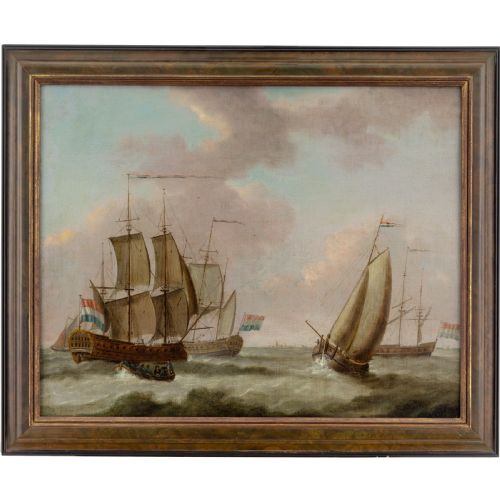
Historical seascape painting captures the motion of the sea and the power of ships through oils on canvas and watercolour.
Historical Seascape Painting
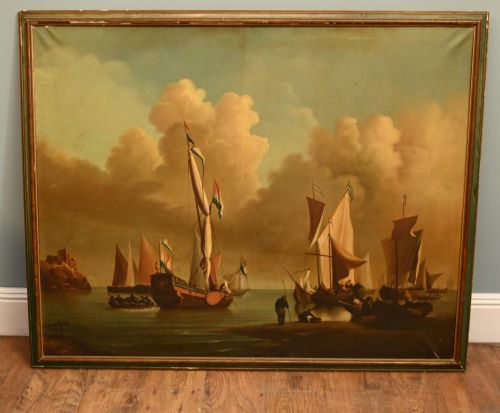
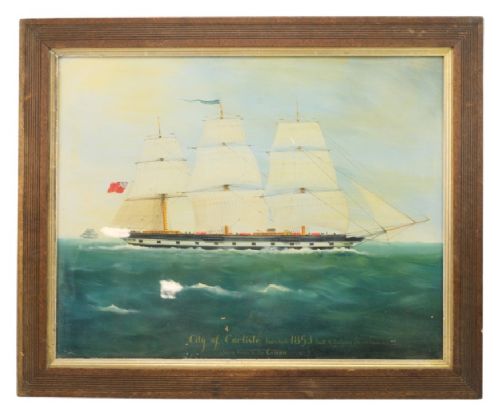
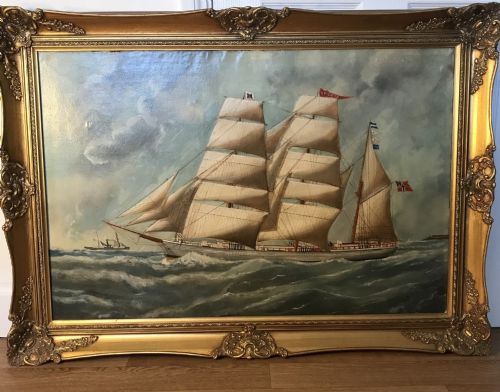
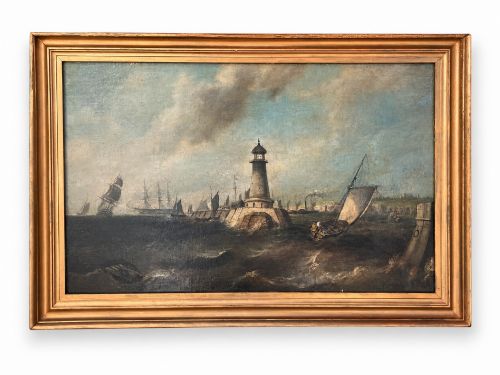
A historical seascape painting records maritime subjects, naval engagements, and coastal scenes created during past centuries. When searching for a historical seascape painting, buyers encounter works ranging from early Dutch marine styles to Victorian maritime depictions.
The selections on this page span the eighteenth, nineteenth, and early twentieth centuries, capturing ships, harbours, and battles on canvas and paper. English and Dutch schools dominate the works, alongside depictions of steam and sail.
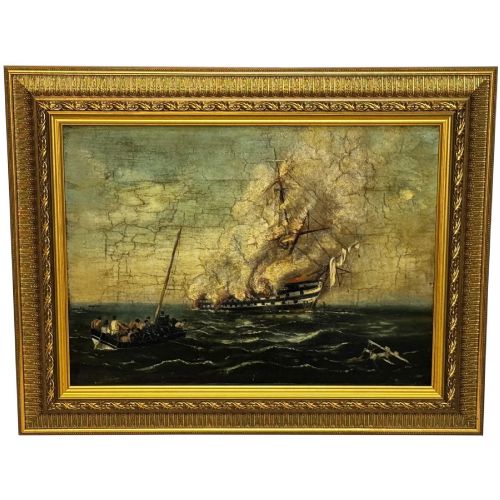
Subjects include specific vessels like the HMS Bombay and the Port of Ostia, framed in wood or giltwood. These pieces provide a direct window into naval history and coastal life.
Materials and construction
Artists utilised oil paint on canvas or laid watercolours on paper to render water, sky, and vessel details. Wood served as the primary material for the frames enclosing these works.
Giltwood frames often accompanied larger country house canvases, adding decorative weight to the maritime scene. Canvas preparation and pigment layering determined the preservation of the rolling seas and naval battles.
Historical Seascape Painting Retail Price Guide 2026
Typical asking prices for historical seascape painting among the pieces listed under this phrase on Sellingantiques today, from the lower quarter to the upper quarter. They describe what is for sale here now, not the wider market.
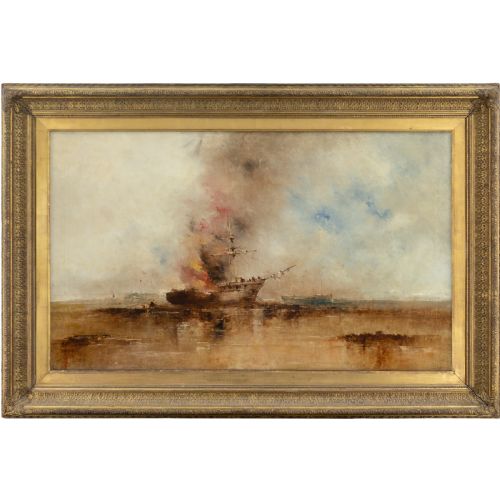
Several canvases record specific historical moments, including ships taking troops to the Crimea and the dramatic burning of the HMS Bombay.
Markers of quality
Quality rests upon the artist's ability to render the movement of water and the rigging of ships with precision. Attribution to known figures or established schools elevates a piece above anonymous works.
The preservation of the oil paint, the integrity of the canvas, and the condition of the original giltwood frame influence the overall standing of the painting.
William McAlpine·Charles Napier Hemy·Vincenzo D Esposito·George Morland·Samuel Owen·Frank Wood·Paul Jean Clays·Frank Wasley·Richard Ball Spencer·Hubert Thornley·Bertram Priestman·James Hardy·Abraham Storck
The Historical Seascape Painting Glossary
- Oil on Canvas
- A painting medium where pigments are bound with drying oil and applied to stretched fabric. This technique allowed artists to achieve rich textures in depicting the sea.
- Giltwood
- Wood carved and covered with a thin layer of gold leaf. Frames made in this style frequently house eighteenth and nineteenth-century canvases.
- Dutch School
- A grouping of artists working in the Netherlands who specialised in maritime subjects and shipping scenes. Their influence spread widely across European marine art.
- Marine Art
- Artistic works focusing primarily on the sea, ships, and coastal views. This genre encompasses both peaceful harbours and dramatic naval engagements.
Historical Seascape Painting: Frequently Asked Questions
What subjects appear in these paintings?
The works depict naval battles, warships, merchant vessels, and coastal harbours across different centuries.
Scenes range from calm coastal views to dramatic accounts of burning ships and rough seas.
How are these paintings framed?
Many works retain their period framing, including carved wood and giltwood surrounds.
Original frames complement the age and origin of the canvas they enclose.
Which periods do these artworks represent?
The listings encompass pieces from the seventeenth, eighteenth, nineteenth, and early twentieth centuries.
Victorian and Regency eras are particularly well represented alongside earlier Dutch styles.
What mediums were used?
Artists worked primarily with oil paint on canvas, while others employed watercolours on paper.
Canvas supports dominate the surviving marine works from this selection.