





Historical Royal Portrait
A historical royal portrait captures monarchs, consorts, and statesmen through centuries of fine painting, printmaking, and sculpture.
Historical Royal Portrait
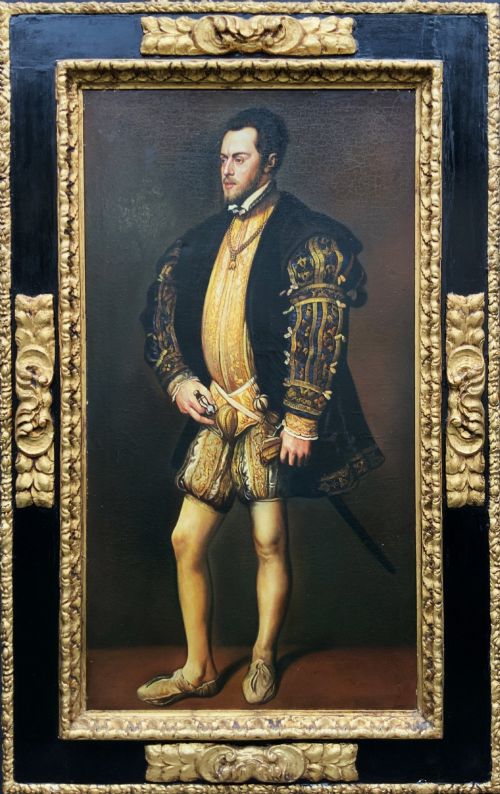
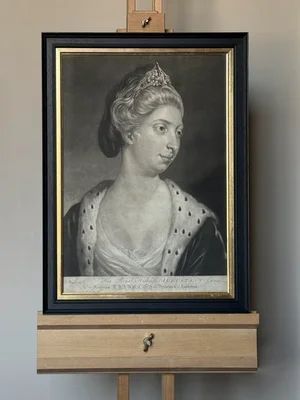
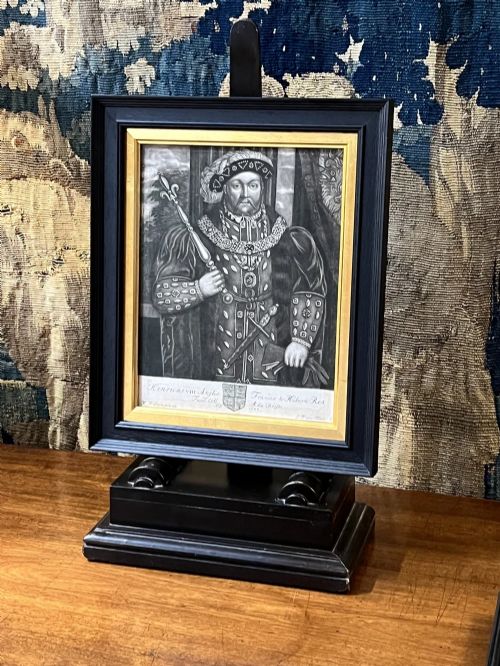
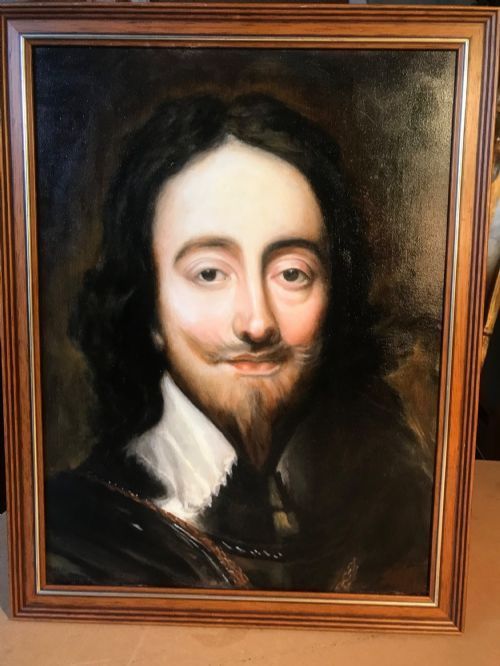
A historical royal portrait brings monarchs, consorts, and notable figures into a collection through centuries of painted, printed, and ceramic likenesses. These works span the Stuart, Georgian, and Victorian periods, capturing subjects like King Charles I, Henry VIII, and Queen Victoria in oils, mezzotints, and Staffordshire pottery.
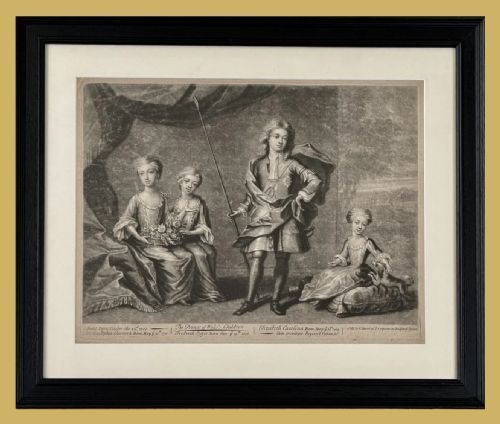
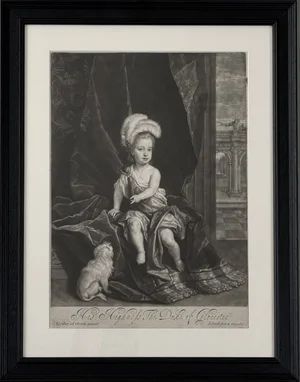
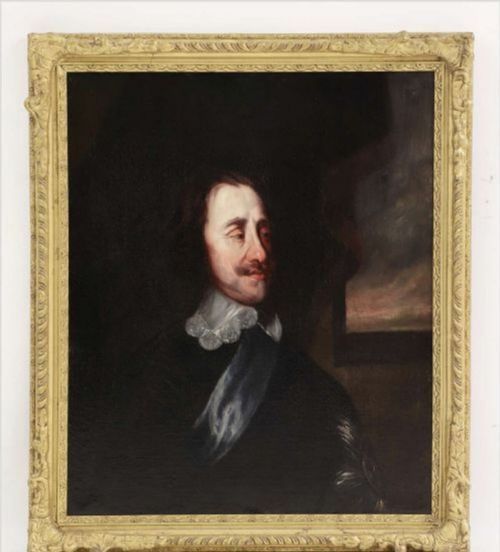
The most common examples on this page are eighteenth-century mezzotint prints after masters like Sir Godfrey Kneller and Thomas Murray, alongside nineteenth-century oil paintings and ceramic portrait figures. Buyers often encounter these pieces housed in period gilt frames or rendered as detailed reverse glass prints.
Subjects range from sovereign rulers wearing the Order of the Garter to naval officers and colonial figures associated with the crown. Each format preserves the visual propaganda and commemorative art of its respective era.
Materials and Techniques
Painters utilised oil on canvas, oil on panel, and oil on board, frequently applying gold leaf to highlight royal insignia and ornate frames. Mezzotint printmakers scraped and burnished copper plates to achieve tonal depth in portrait engravings.
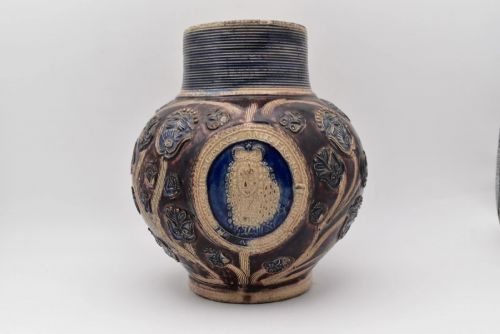
Potters and sculptors shaped stoneware, earthenware, and bronze into three-dimensional likenesses, as seen in Staffordshire pottery figures and French bronze busts. Reverse glass prints required meticulous painting directly onto glass panels to create a luminous surface.
Historical Royal Portrait Retail Price Guide 2026
Typical asking prices for historical royal portrait among the pieces listed under this phrase on Sellingantiques today, from the lower quarter to the upper quarter. They describe what is for sale here now, not the wider market.
Listings feature works executed in oil, watercolor, lithography, and engraving across the seventeenth, eighteenth, and nineteenth centuries.
Variations in Quality
Quality rests in the precision of the draughtsmanship and the fidelity of the likeness to the royal sitter, particularly in works produced after earlier masters. Early mezzotints show distinction in the richness of the dark tones and the clarity of the engraved lettering identifying the sitter and artist.
Original oil paintings display superior brushwork in the rendering of textiles such as velvet and ermine, as well as complex heraldic orders and insignia. Ceramic figures and stoneware jugs vary according to the sharpness of the moulded details and the consistency of the glaze.
John Smith·Thomas Murray·Edward Faber Snr·Hans Holbein The Younger·Sir Godfrey Kneller·Anthony Van Dyck·Sir Peter Lely·Henry Stone·William Wissing·George Dawe·Samuel Lane·Henry Walton
The Historical Royal Portrait Glossary
- Mezzotint
- A printmaking process where the copper plate is roughened uniformly to allow dark tones, then scraped to create lighter areas.
- Order of the Garter
- An ancient British order of chivalry, frequently denoted in portraits by a distinctive garter star or ribbon.
- Reverse glass print
- An image painted or transferred onto the back side of a glass panel, viewed through the front for a glossy finish.
- Portrait charger
- A large decorative ceramic plate featuring a painted or moulded likeness, often intended for display on a wall or dresser.
Historical Royal Portrait: Frequently Asked Questions
What is a historical royal portrait?
A historical royal portrait is a visual record of a king, queen, or court figure created during their reign or in subsequent centuries as commemorative art.
These pieces range from oil paintings and mezzotint engravings to ceramic figures and bronze busts.
How were these portraits used historically?
Portraits of monarchs served as official symbols of state authority, displayed in public buildings, naval vessels, and aristocratic homes.
Smaller prints and ceramic figures allowed the broader public to display loyalty to the crown within domestic spaces.
How do I identify the period of a portrait?
Period identification relies on examining the costume, hair styling, and framing methods typical of eras like the seventeenth century or the Victorian age.
Inscriptions on prints and ceramic bases often provide the names of the sitter, the original artist, and the printmaker.
How should I care for an antique oil portrait?
Antique oil paintings require stable indoor humidity and protection from direct sunlight to prevent the canvas and paint layers from cracking.
Cleaning should be left to professional conservators to avoid damaging delicate glazes and historical varnish.