




Historical Portrait Watercolour
When you seek a historical portrait watercolour, you uncover intimate painted likenesses preserved on paper through centuries of changing British taste.
Historical Portrait Watercolour
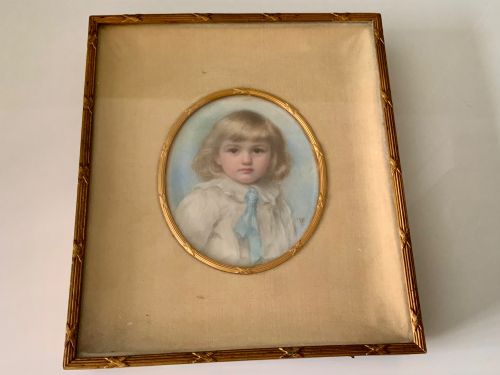
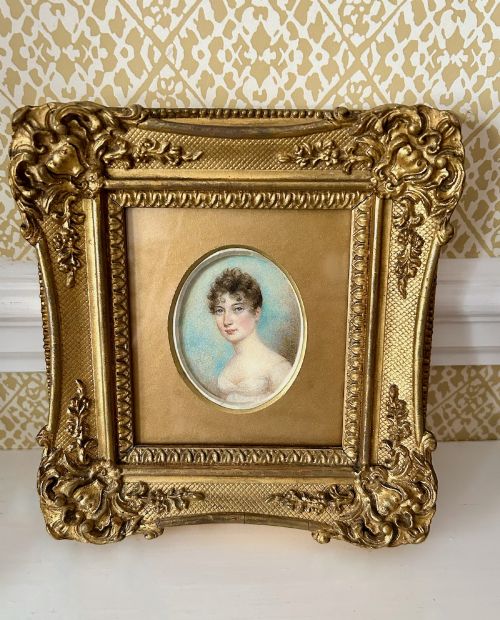
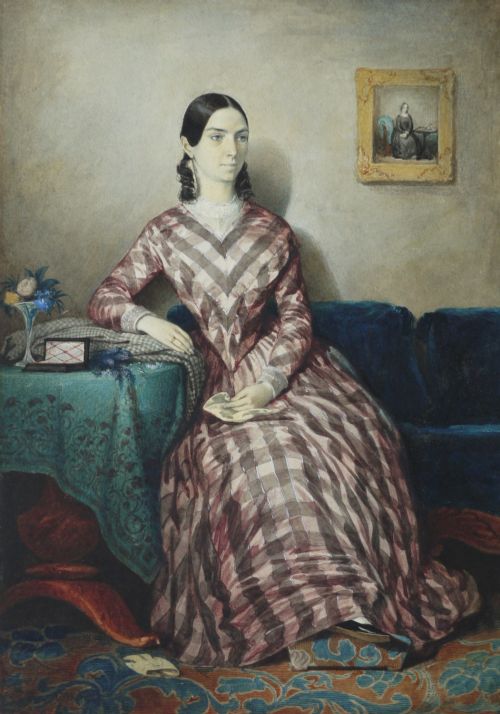
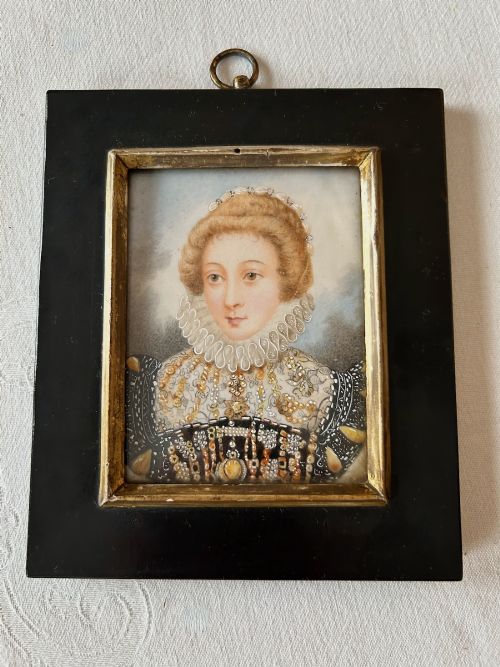
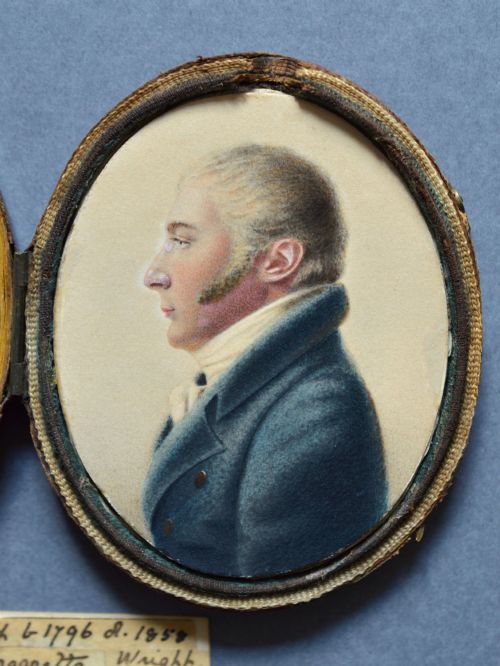
A historical portrait watercolour captures an individual likeness directly upon paper, often framed behind glass within wood or gilt metal surrounds.
The selections span distinct historical eras, including the Georgian, Regency, and Victorian periods, alongside later twentieth-century interpretations.
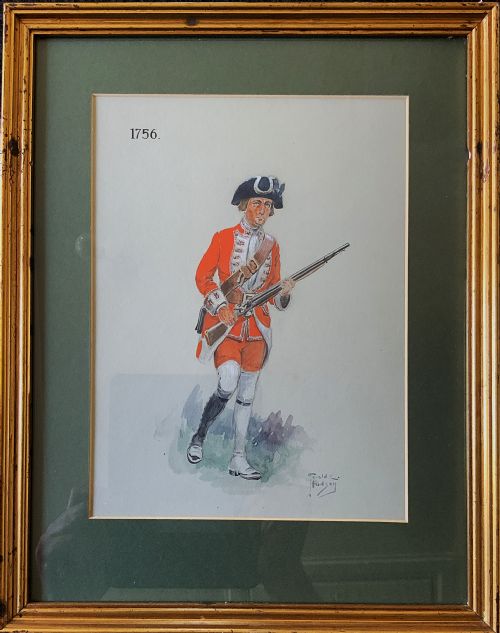
Buyers encounter single studies, companion pairs of ladies and gentlemen, and occasional group portraits representing soldiers, nobility, and civilian subjects.
Materials and methods
Artists painted directly onto paper support using water-soluble pigments, sometimes combining ink and wash techniques to build depth and tone.
Framing often utilised ebonised wood, gilt wood, or gold leaf surrounds, occasionally incorporating protective glass and stands fashioned from gilt metal.
Historical Portrait Watercolour Retail Price Guide 2026
Typical asking prices for historical portrait watercolour among the pieces listed under this phrase on Sellingantiques today, from the lower quarter to the upper quarter. They describe what is for sale here now, not the wider market.
Listings feature works spanning the eighteenth, nineteenth, and early twentieth centuries, executed on paper and housed in wood and gilt metal frames.
Judging the work
Quality rests upon the precision of the brushwork and the psychological depth captured in the sitter's expression, separating masterly hand-painted miniatures from naive or provincial output.
The preservation of the paper support and the integrity of the original framing, whether gilt wood or ebonised timber, influence the overall character of the piece.
Henri Fradelle·Thomas John Horsley·Vincenzo D’Esposito·J Bizo·Susie Lassam·George Hargreaves·Thomas Woolnoth·Edward Smyth·Mary Eley·George Perfect Harding·Sir William John Newton
The Historical Portrait Watercolour Glossary
- Watercolour
- A painting method where fine pigment is suspended in a water-based solution and applied to paper. This medium allows for delicate washes and translucent skin tones.
- Portrait Miniature
- A small-scale painted likeness intended for intimate viewing or portable display. These works often demand immense technical precision due to their diminutive dimensions.
- Wash
- A thin, semi-transparent layer of diluted watercolour or ink spread across paper. Artists use this technique to establish atmospheric backgrounds and shadow depth.
- Ebonised Wood
- Timber treated with a dark stain or finish to imitate expensive ebony. This dark framing material frequently borders nineteenth-century paper works to heighten contrast.
- Companion Pair
- Two separate artworks created as matching counterparts, often depicting a lady and gentleman. They typically share identical framing and scale.
Historical Portrait Watercolour: Frequently Asked Questions
What are historical portrait watercolours?
These pieces are hand-painted likenesses executed on paper substrates during past centuries, depicting identifiable historical figures, military officers, and private individuals.
They offer a direct visual link to earlier eras through delicate pigment application and period framing.
How were these watercolours displayed?
Many examples were framed behind protective glass utilising gilt wood, ebonised timber, or gilt metal stands for desk placement.
Others were designed for intimate handling as portable portrait miniatures rather than wall-hung artworks.
How do I date a watercolour portrait?
Dating relies upon the stylistic conventions of the sitter's costume, hair styling, and the framing materials characteristic of periods like the Regency or Victorian era.
Inscribed details or signatures on the reverse or front of the paper also provide clear chronological markers.
How should I care for paper art?
Protect these watercolours from direct sunlight and excessive humidity to prevent pigment fading and paper degradation.
Maintaining stable indoor environments ensures the delicate paper support and original framing remain preserved.