




Historical Miniature Painting
These historical miniature painting works offer intimate likenesses of notable figures and private sitters from centuries past.
Historical Miniature Painting
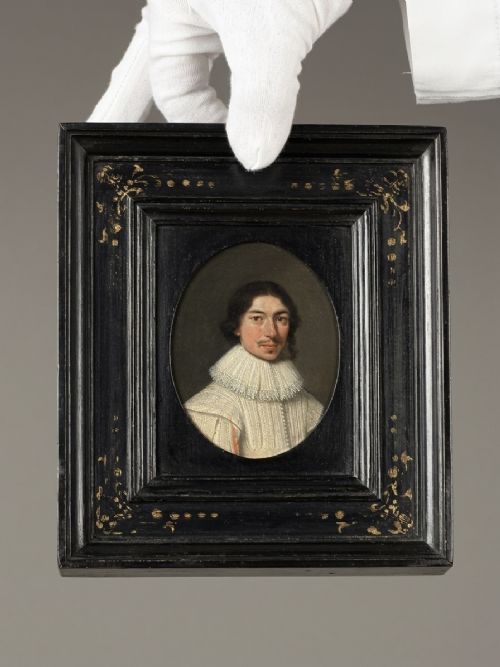
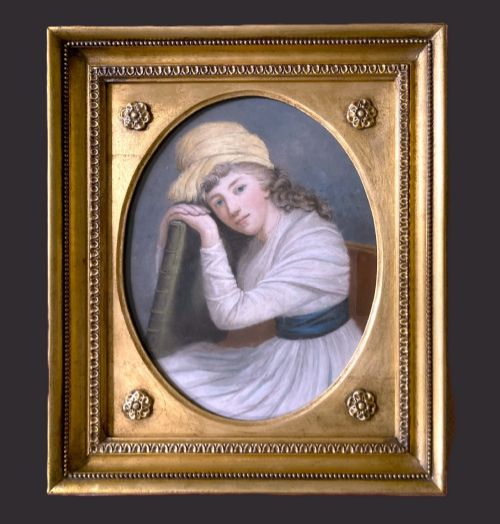
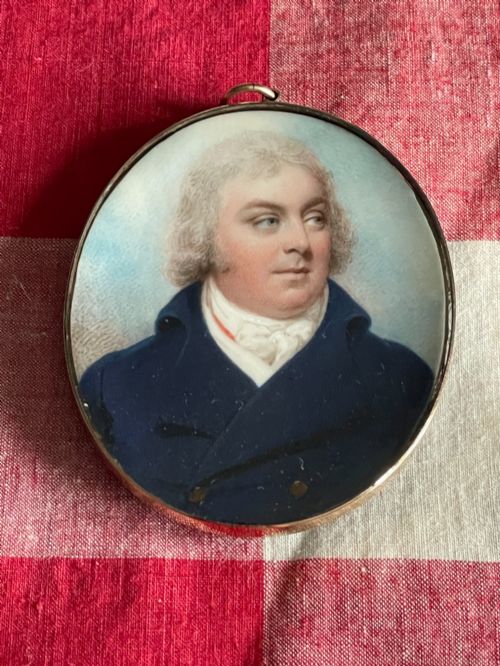
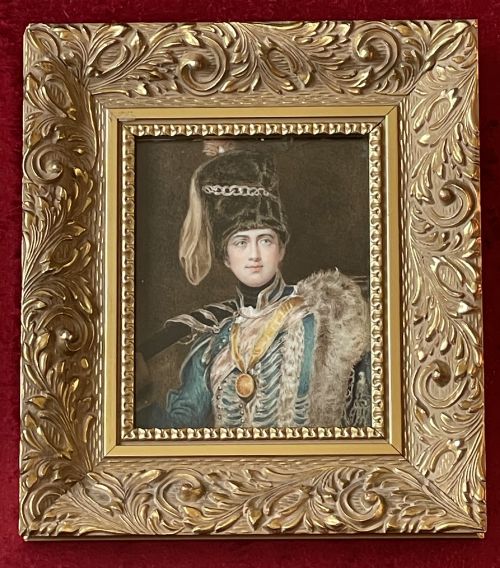
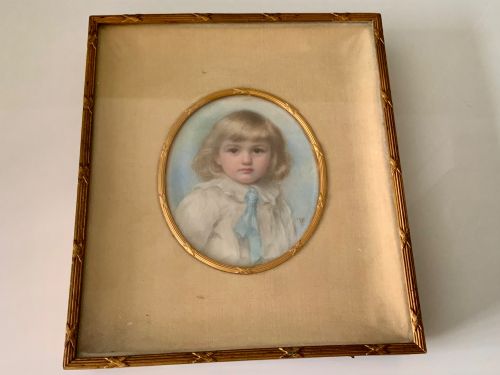
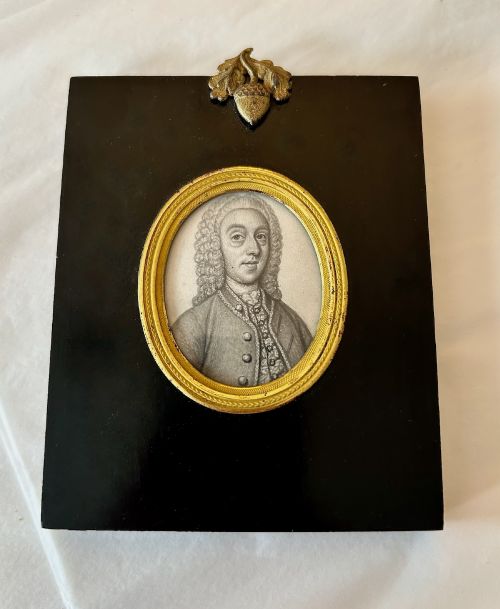
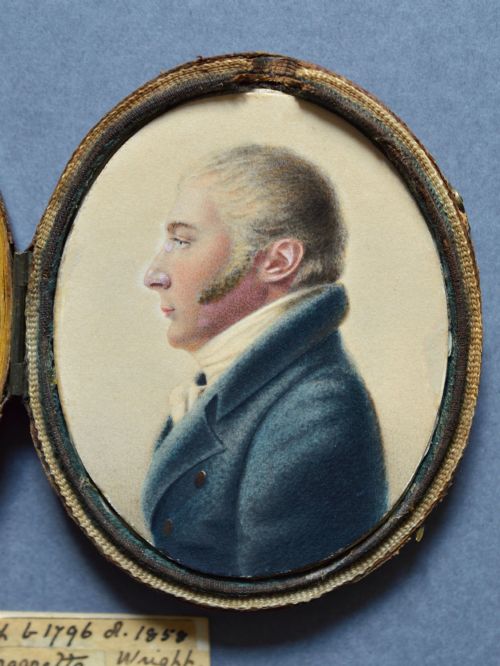
A historical miniature painting represents a portable portrait rendered in delicate detail, most frequently encountered from the eighteenth and nineteenth centuries. These works capture specific individuals, ranging from military commanders and royalty to private family members.
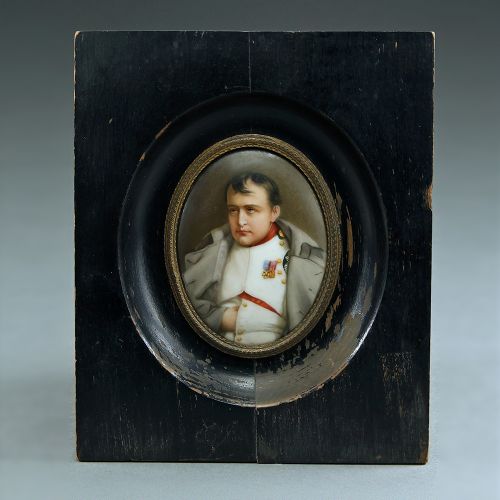
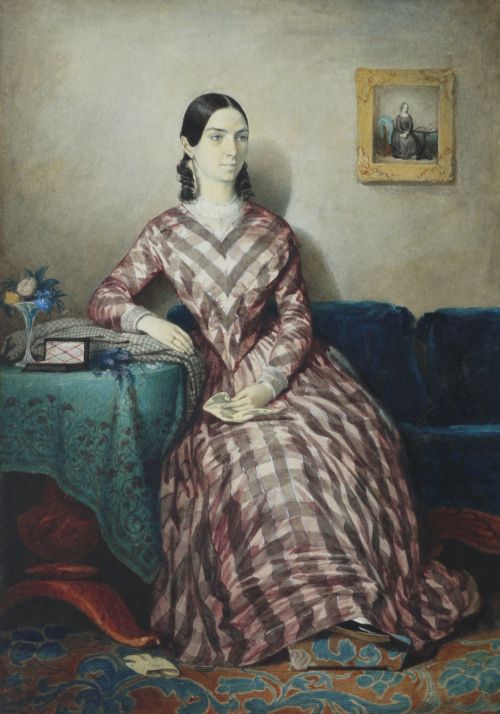
The selection includes oval frames, companion pairs, and framed watercolours originating from English, French, and American makers. Subjects span historical monarchs such as Henry VIII and Napoleon alongside local gentry.
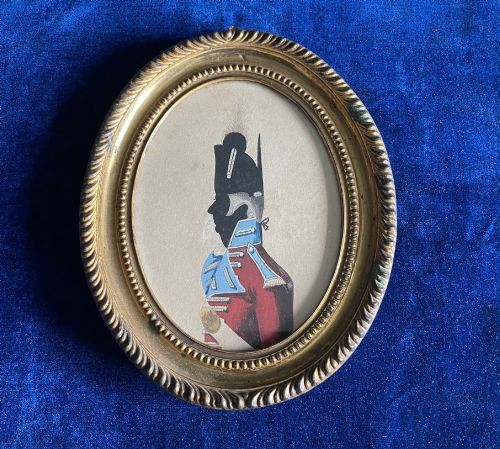
Surviving examples arrive in various formats including standalone framed art, pieces mounted on gilt metal stands, and silhouettes on plaster.
How they were made
Artists utilised watercolour, gouache, pastel, and oil paints applied to paper, plaster, and copper supports. These media allowed practitioners to achieve microscopic precision in facial expressions and costume details.
Framing materials such as ebonised wood, giltwood, brass, and gilt metal protected the fragile painted surfaces beneath glass. Many works retain their original Hogarth frames or structural stands designed for tabletop display.
Historical Miniature Painting Retail Price Guide 2026
Typical asking prices for historical miniature painting among the pieces listed under this phrase on Sellingantiques today, from the lower quarter to the upper quarter. They describe what is for sale here now, not the wider market.
Napoleon Bonaparte appears multiple times, proving that even historical commanders enjoyed sitting for repeat portraits.
What varies in quality
The distinction between ordinary and exceptional works rests upon the precision of brushwork and the psychological depth captured in the sitter's expression. Master painters handled light and costume textures with striking naturalism.
Provenance and attribution elevate certain pieces, particularly when signed by documented miniaturists or linked directly to notable historical personages and verifiable sitters.
Alessandro Cittadini·Henri Fradelle·James Sharples·Thomas John Horsley·J Bizo·George Hargreaves·Thomas Woolnoth·John Miers·Edward Smyth·Sir Peter Lely·George Perfect Harding·John Scougall·Sir William John Newton·Gerrit Schipper
The Historical Miniature Painting Glossary
- Miniature painting
- A portable artwork executed on a small scale, requiring specialised magnification and fine brushes. These portraits were often kept in private chambers or carried on the person.
- Gouache
- An opaque watercolour medium containing pigment combined with a binding agent. It provides dense colour saturation and matte surfaces suitable for detailed costume rendering.
- Silhouette
- A profile likeness cut from paper or painted onto plaster or card in solid dark tones. John Miers is particularly noted for work in this medium.
- Ebonised wood
- Timber treated with chemical finishes or dark stains to imitate expensive ebony. It provides a stark, contrasting border for delicate watercolours.
- Provenance
- The documented history of ownership associated with an artwork. It helps establish authenticity and historical context.
Historical Miniature Painting: Frequently Asked Questions
How were historical miniature paintings displayed?
Owners placed these compact portraits on desks using gilt metal stands or hung them in private rooms using modest wooden frames.
They were designed for close inspection rather than distant wall decoration, often kept within arm's reach.
Who sat for these portrait miniatures?
Sitters included reigning monarchs, military officers, literary figures, and affluent family members wishing to record their likenesses.
Commissioned pieces often commemorated marriages, military promotions, or political alliances.
How do I care for antique miniatures?
Keep works away from direct sunlight to prevent the fading of delicate watercolours and gouache pigments on paper.
Maintain stable indoor humidity levels to protect fragile wood frames, glass seals, and plaster supports.
Can I identify the artist without a signature?
Attribution relies on stylistic comparison with documented works, brushwork techniques, and contemporary framing methods.
Inscriptions on the reverse of the copper or paper often record the sitter's identity or the painter's name.