
Historical Gentleman Artwork
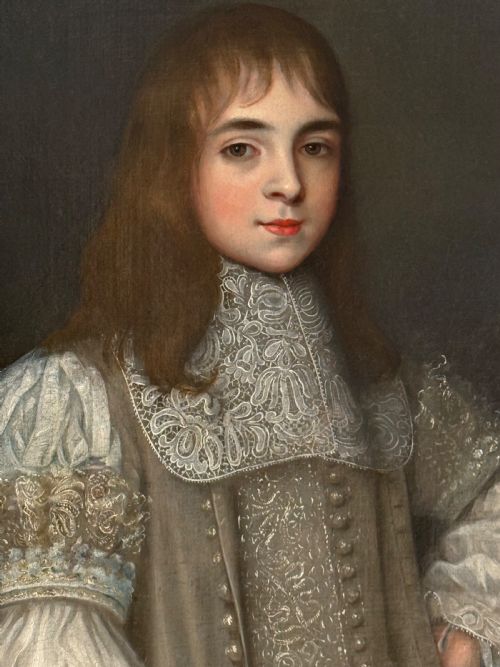
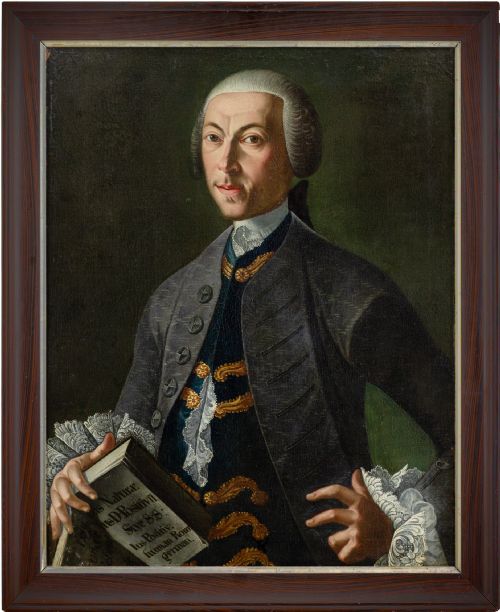
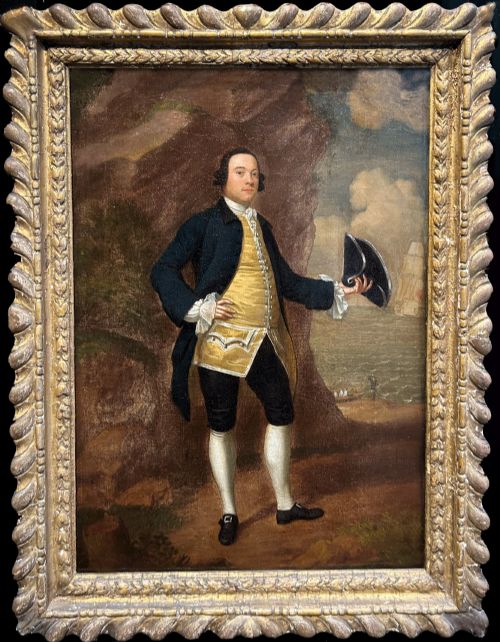
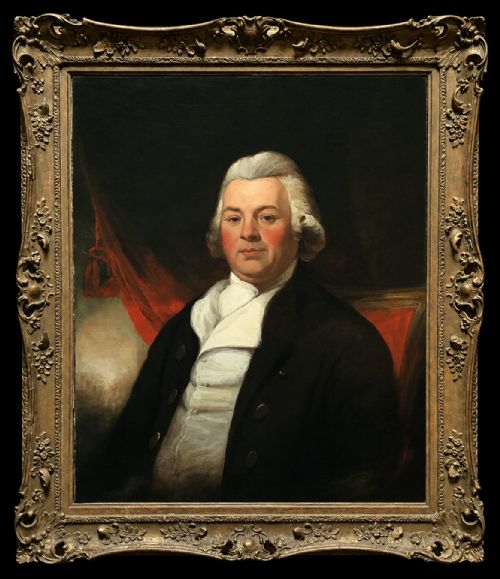
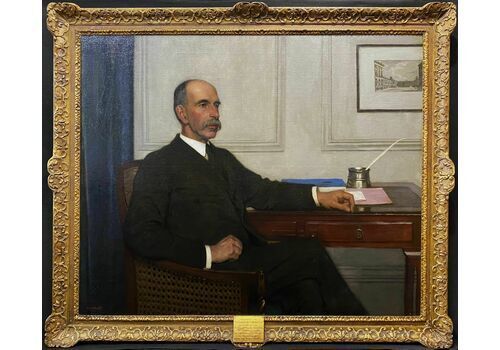
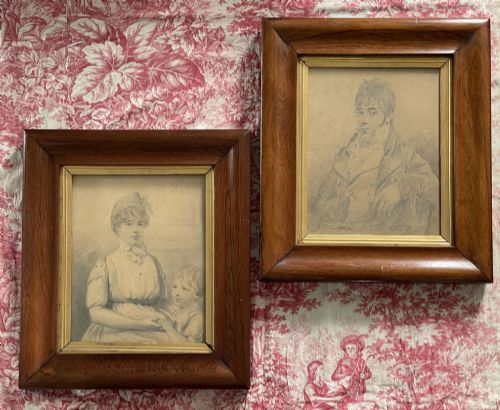
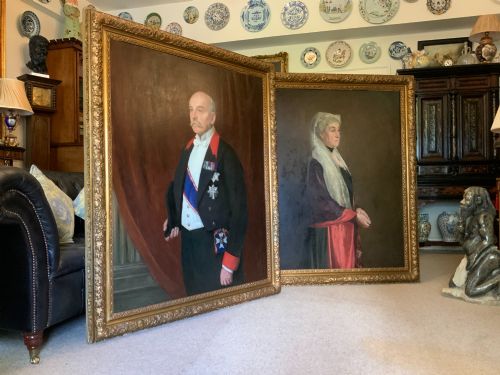
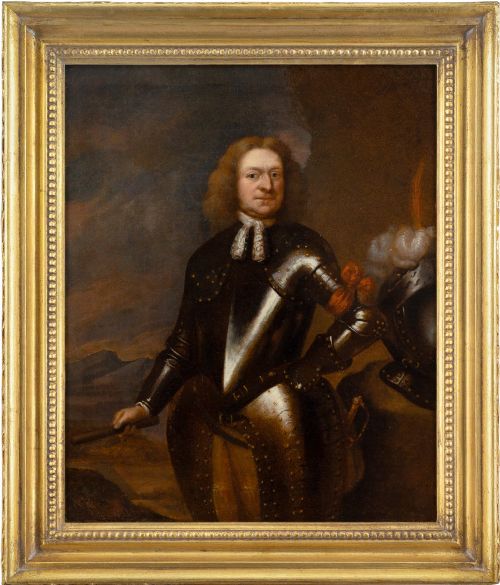
When you search for historical gentleman artwork, you encounter painted and drawn likenesses spanning the seventeenth to the twentieth centuries, depicting identifiable individuals and genre scenes.
Historical Gentleman Artwork
Historical gentleman artwork encompasses oil paintings, watercolours, graphite drawings, silhouettes, and engravings produced across Britain, Europe, and the wider world.
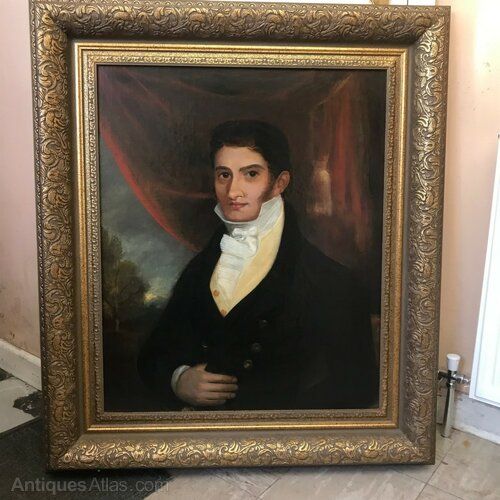
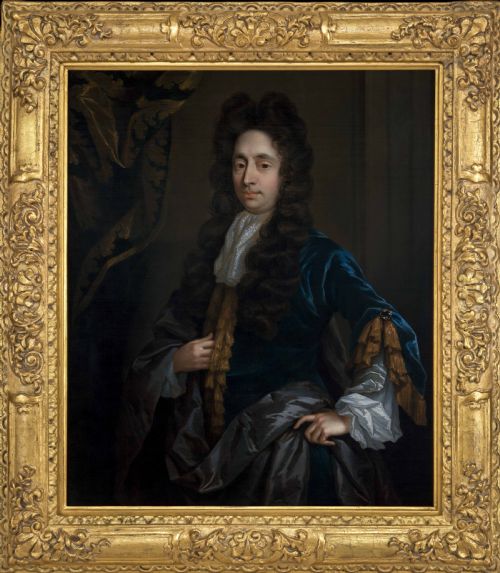
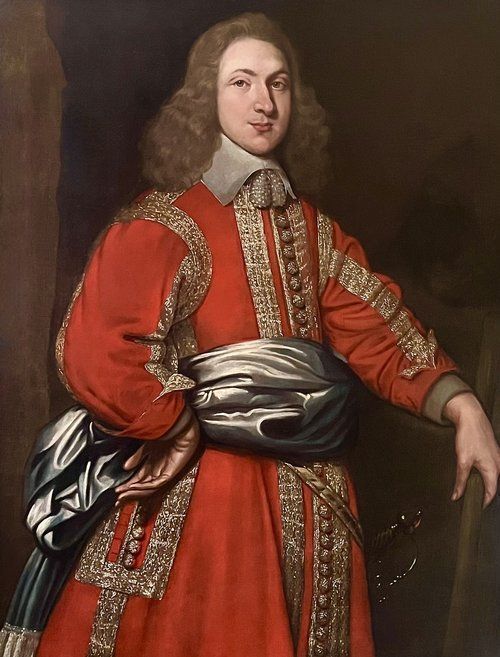
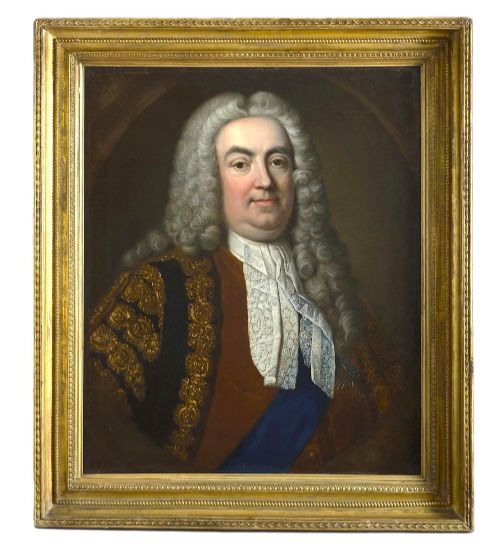
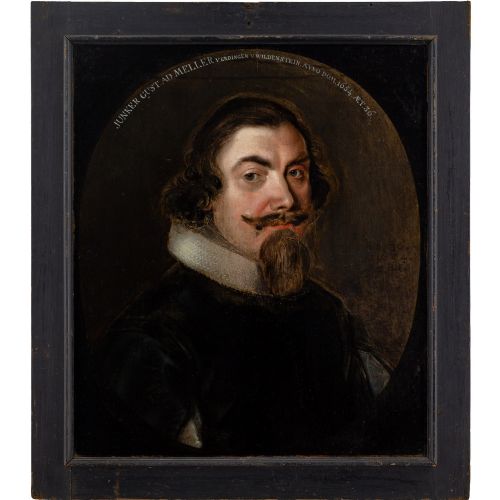
The selections on this page draw heavily from seventeenth, eighteenth, and nineteenth-century portraiture, capturing military officers, aristocrats, professionals, and everyday figures in oil on canvas or paper.
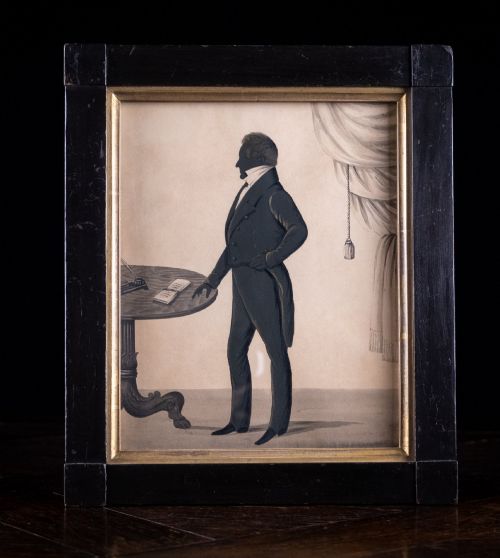
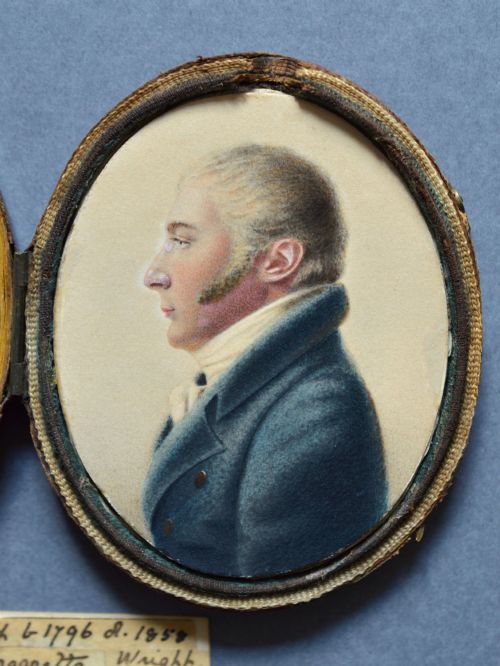
Works range from intimate silhouette portraits and portrait miniatures to large framed oil paintings originating from British, German, Italian, and Danish schools.
Materials and techniques
Artists deployed oil paint and watercolour upon supports of canvas, wood, paper, and card, occasionally applying gold leaf to frame or highlight the subject.
Framing often incorporates wood and giltwood to enclose the paper or canvas substrate, whilst graphite drawings utilise pencil on paper alongside delicate watercolour washes.
Listings feature oil paintings on canvas, watercolours on paper, wood panels, and gilded silhouettes spanning the seventeenth to twentieth centuries.
Distinctions in craftsmanship
Quality rests upon the handling of facial anatomy, fabric folds, and lighting, where adept brushwork renders fabrics such as velvet, wool, and lace with tactile conviction.
Provenance and attribution to documented artists or recognised schools elevate pieces above anonymous provincial works of the same period.
Constantyn Netscher·Jean Baptiste Van Loo·John Michael Wright·George Watson·Harold Knight RA·Rolinda Sharples·Sir Thomas Lawrence
The Historical Gentleman Artwork Glossary
- Oil on canvas
- Pigment bound in drying oil applied to a woven fabric stretched across a wooden frame. This medium forms the foundation of most historical portraiture on this page.
- Silhouette
- A portrait depicted as a solid shape of a single colour, usually black, cut from paper or painted. Early examples frequently capture sitters in profile with meticulous hand-cut precision.
- Genre painting
- The pictorial representation of scenes or events from everyday life, involving ordinary people. These works often depict gentlemen in domestic, social, or occupational settings.
- Giltwood
- Wood carved and treated with a thin layer of gold leaf. This material frequently constitutes the ornate frames surrounding historical canvases.
- Watercolour
- A paint consisting of colour suspended in a water-soluble vehicle, typically applied to paper. This technique yields translucent washes favoured for Regency and Victorian portraits.
Historical Gentleman Artwork: Frequently Asked Questions
What periods do these artworks represent?
The listings span from the seventeenth century through the Regency and Victorian eras up to the early twentieth century. They reflect shifting artistic styles across British, European, and Scandinavian schools.
Specific dates on canvases or paper help anchor pieces to centuries such as the 1700s or 1800s, whilst costume details offer further chronological clues.
How were these historical portraits displayed?
Original owners hung large oil paintings in country houses, libraries, and institutional halls to project status and lineage. Smaller watercolours and silhouettes resided in private parlours and personal albums.
Heavy giltwood frames protected the edges of canvases while enhancing the visual weight of the portrait within domestic interiors.
What distinguishes genre scenes from standard portraits?
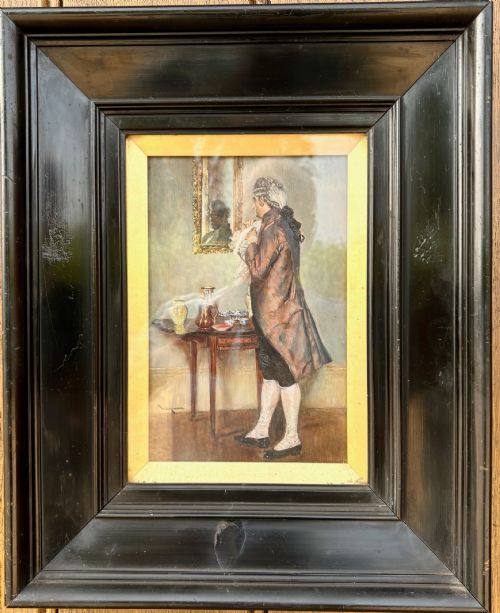
Standard portraits focus entirely on capturing the likeness and status of a single identifiable individual or seated couple. Genre scenes instead place gentlemen within narrative environments, such as blacksmiths' workshops, card games, or domestic interiors.
These narrative compositions prioritise the interaction of multiple figures over formal individual representation.