


Historical Engraving Print
A historical engraving print preserves centuries of portraiture, cartography and allegorical narrative on paper.
Historical Engraving Print
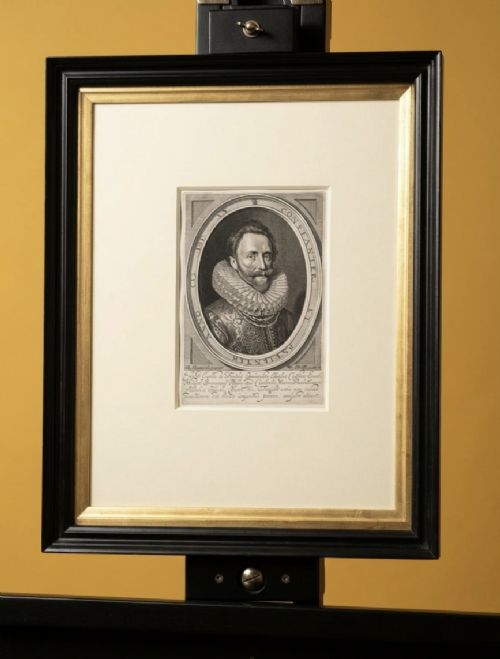
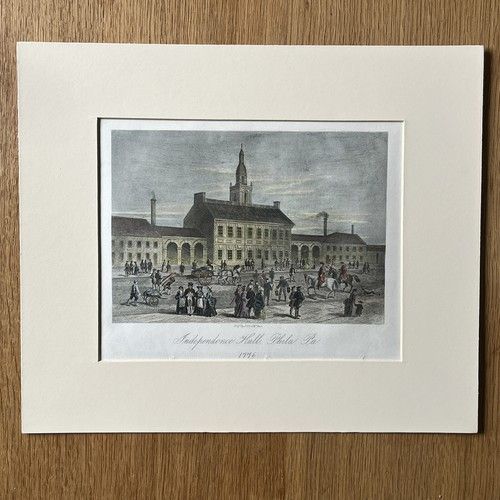
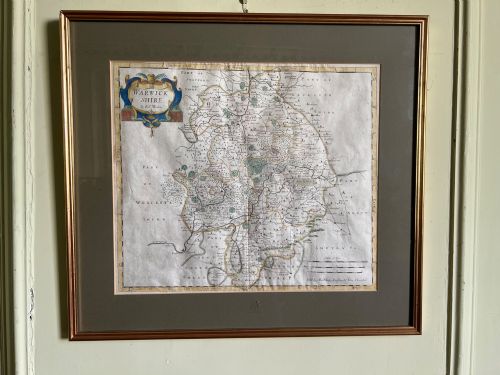
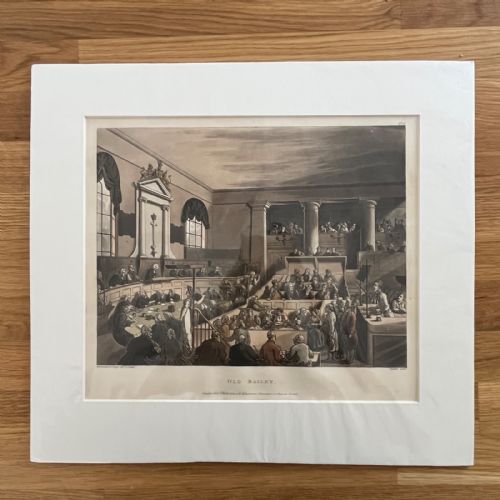
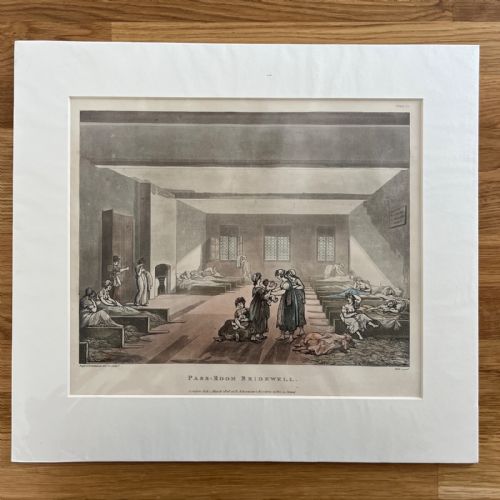
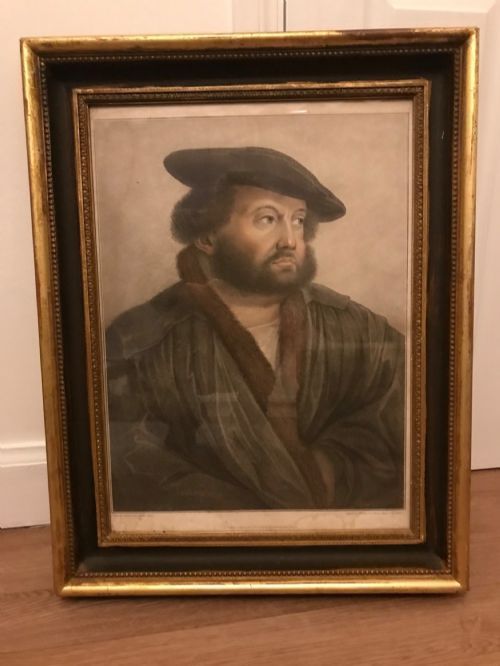
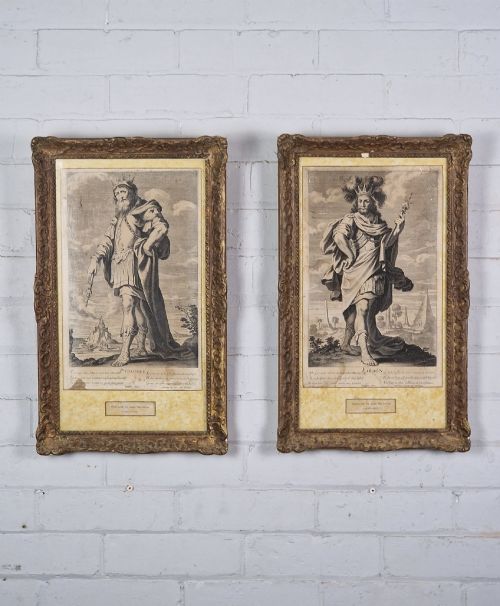
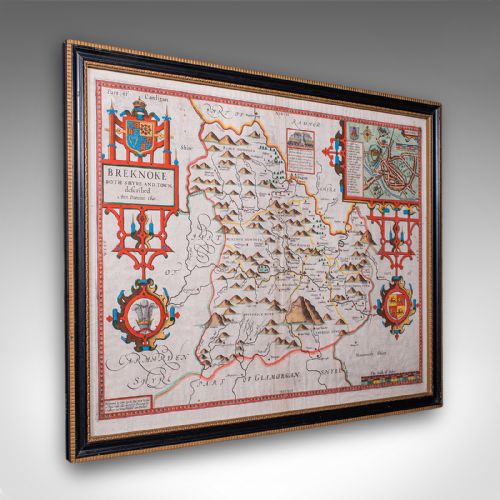
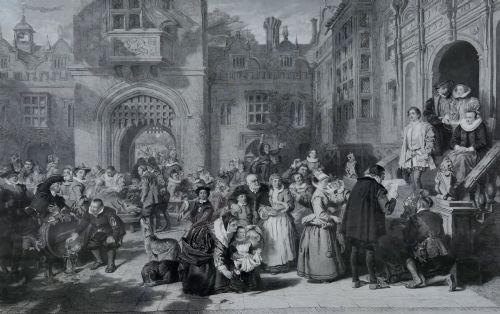
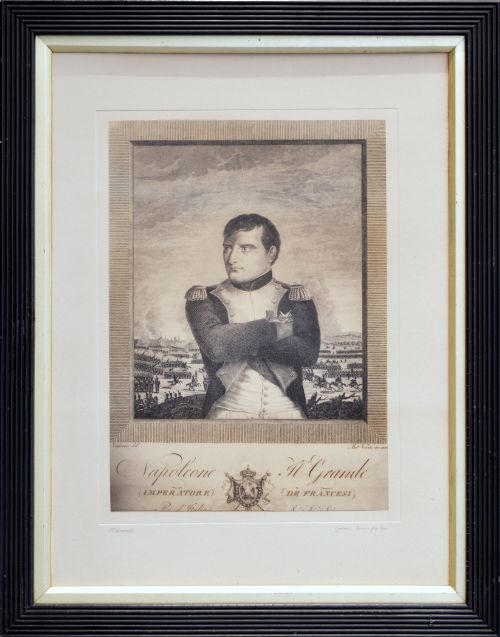
When you search for historical engraving print, you encounter framed works spanning the seventeenth, eighteenth and nineteenth centuries. These pieces encompass detailed county maps, architectural scenes and courtly portraiture.
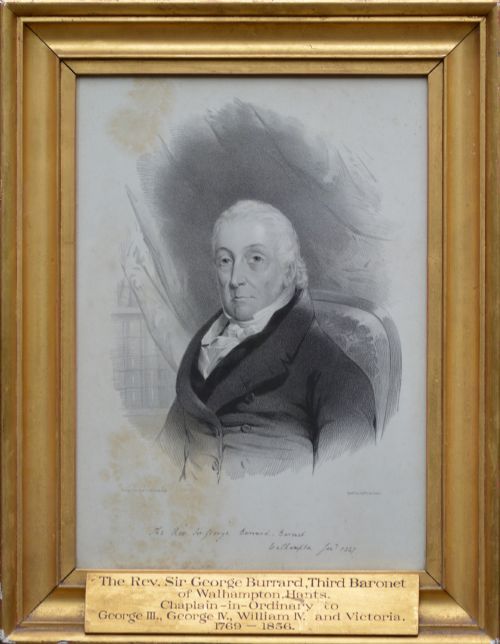
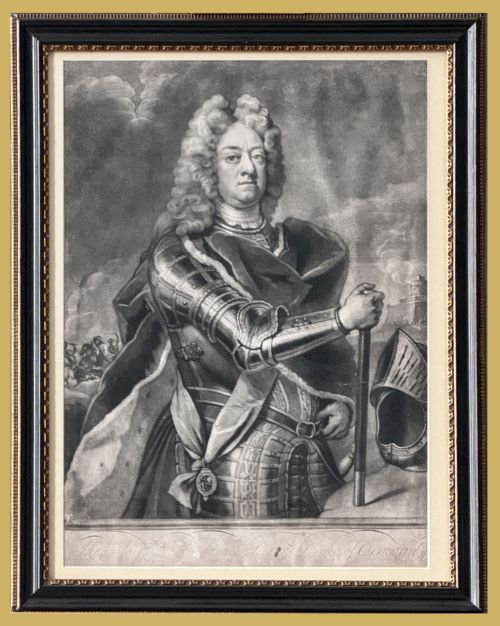
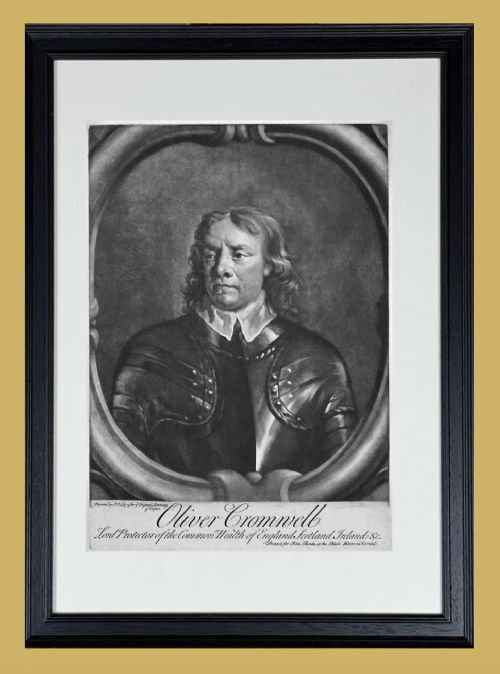
The selections on this page lean heavily toward framed portraits and cartography from the Georgian and seventeenth-century periods. You will frequently find works by notable printmakers preserved in period timber frames.
Subjects range from anatomical studies and naval docks to political allegories and classical landscapes. Each item functions as a primary visual document of its respective era.
Materials and Techniques
The underlying support consists primarily of laid or wove paper, upon which black or sepia ink transfers the carved image. Many examples incorporate hand-colouring or gilt leaf accents applied directly to the sheet or the surrounding mount.
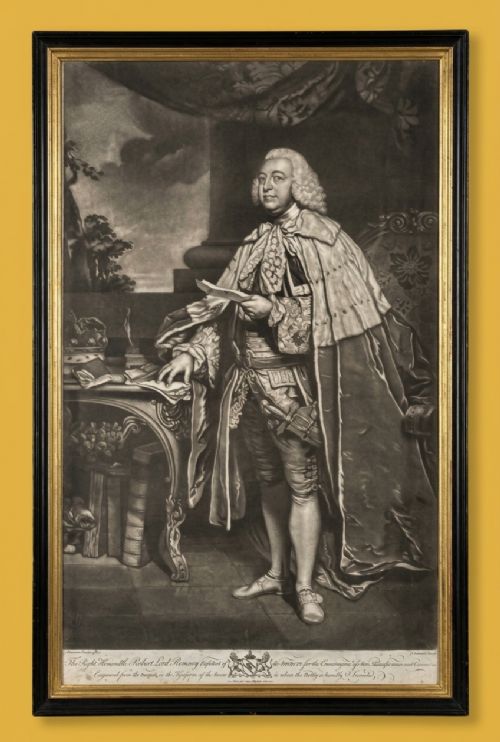
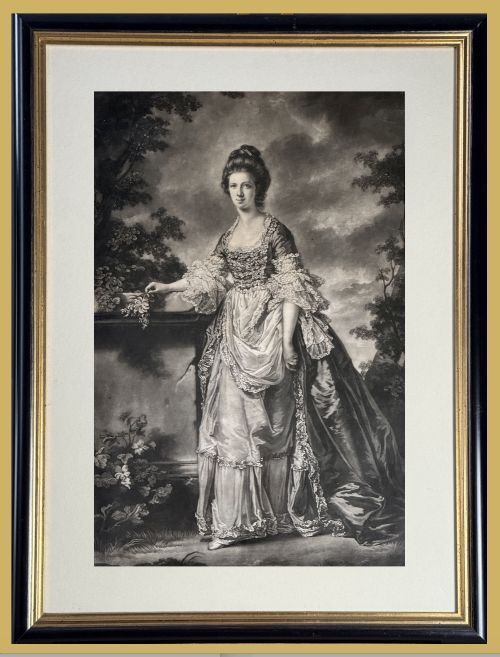
Printmakers utilised copper or steel plates, employing techniques such as line engraving, stipple and mezzotint to achieve tonal depth. Completed sheets were then secured within wooden surrounds, often utilising oak, giltwood or original Hogarth frames.
Historical Engraving Print Retail Price Guide 2026
Typical asking prices for historical engraving print among the pieces listed under this phrase on Sellingantiques today, from the lower quarter to the upper quarter. They describe what is for sale here now, not the wider market.
Listings feature seventeenth-century cartography alongside eighteenth-century mezzotint portraits and nineteenth-century naval scenes.
Evaluating Quality
The distinction between tiers rests upon the clarity of the plate impression and the crispness of the ink transfer. Early impressions show sharp contrasts and fine cross-hatching, whereas worn plates yield softer, muddier lines.
Framing integrity and the survival of margins heavily influence overall character. Untrimmed paper edges and period frames corresponding to the exact date of the plate elevate the physical integrity of the piece.
Robert Morden·John Speed·John Smith·Francesco Bartolozzi·Andrew Bell·Jacobus Houbraken·William Hogarth
The Historical Engraving Print Glossary
- Mezzotint
- A printmaking process where the copper plate is roughened to achieve rich dark tones and subtle gradations of light. This technique became the premier method for reproducing oil portraits during the seventeenth and eighteenth centuries.
- Cartography
- The science and art of mapmaking, represented here through engraved county and regional maps. These plates often feature decorative cartouches and heraldic details.
- Stipple engraving
- A method of creating tonal images using a dense pattern of dots rather than continuous lines. It gained popularity for rendering flesh tones and soft fabrics.
- Hogarth frame
- A specific moulding profile characterised by a stepped, ogee shape, frequently finished in dark wood or gilt. These frames were popular during the eighteenth century for displaying prints and small canvases.
Historical Engraving Print: Frequently Asked Questions
How do I date a historical print?
Dating relies on stylistic clues within the imagery, typography used in the title or caption, and watermarks present in the paper itself. Comparing the plate to known works by the publisher provides a narrower window.
Paper stocks often carry maker marks that change across decades, helping verify whether an impression is contemporary to the event depicted or a later printing.
Where should I hang these prints?
These works require placement away from direct sunlight to prevent fading of the ink and yellowing of the antique paper. Wall spaces with stable humidity levels preserve both the sheet and its wooden frame.
Grouping several maps or portraits together creates a balanced display that reflects eighteenth-century domestic hanging styles.
What is the difference between an engraving and a mezzotint?
An engraving is cut directly into a metal plate using a sharp tool called a burin, producing clear lines and precise detail. A mezzotint works from dark to light by roughening the entire plate surface first to hold ink.
Mezzotints excel at capturing the velvety textures of oil paintings, while standard line engravings suit technical maps and architectural elevations.
Are these prints originals?
The listings comprise original period printings pulled from the historical plates during the active years of the publishers and engravers. Modern reproductions are absent from this selection.
Examining the ink under magnification reveals the characteristic indentation or plate mark left in the paper by the printing press.