


Historical Costume Artwork
Historical costume artwork captures past eras through rendered portraits and genre scenes, offering collectors a direct window into bygone fashion and society.
Historical Costume Artwork
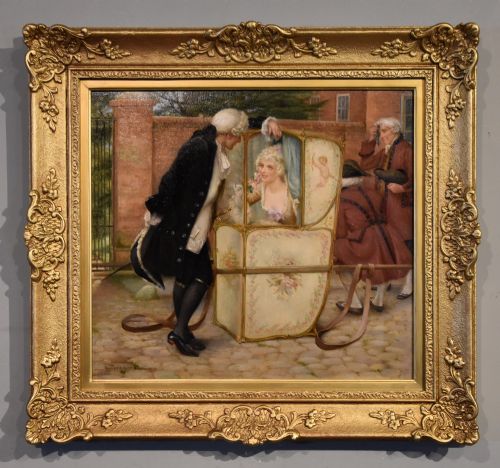
Historical costume artwork encompasses paintings, watercolours and framed prints that focus on period dress and theatrical attire. When exploring historical costume artwork, buyers encounter pieces spanning from the seventeenth century through to the early twentieth century.
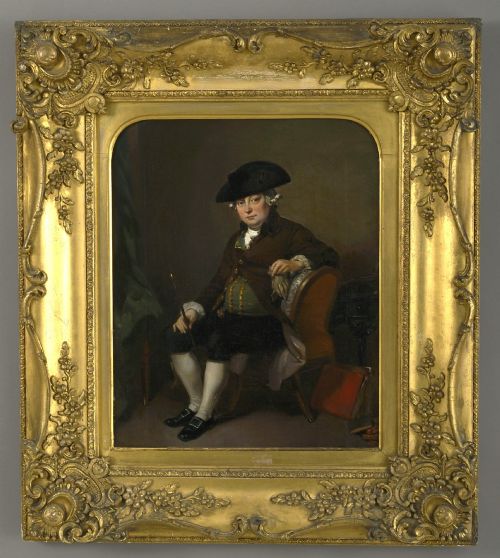
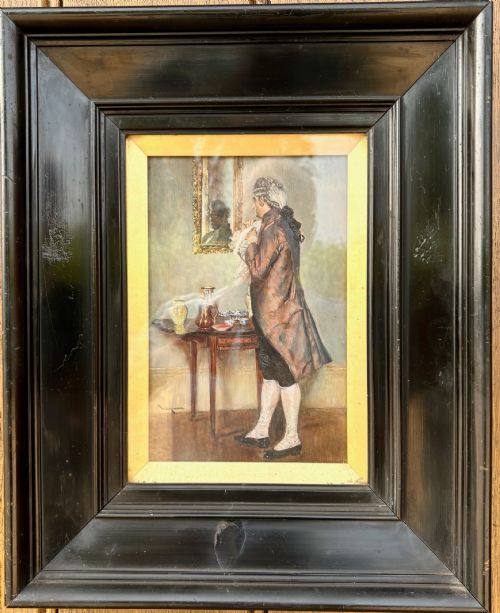
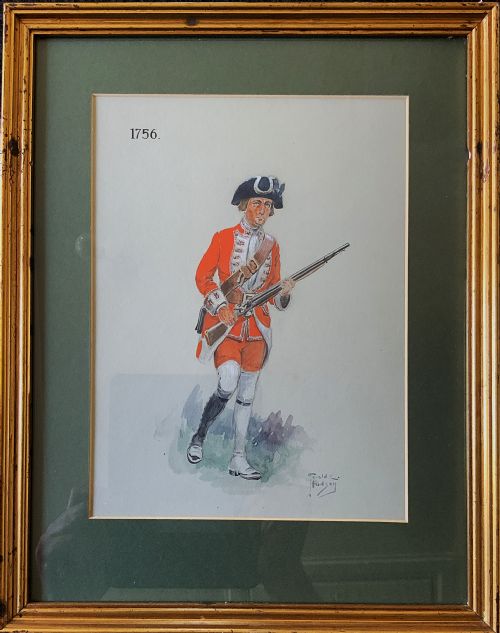
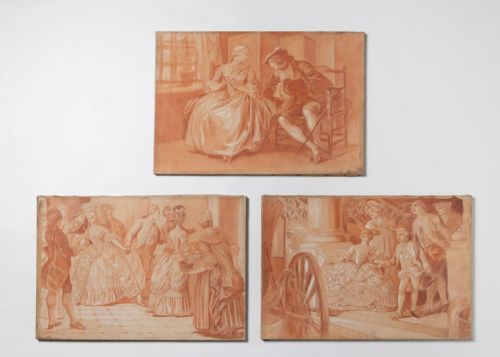
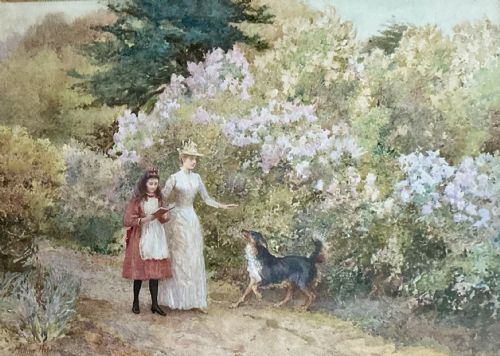
The selection frequently includes oil paintings on canvas or panel alongside detailed watercolours and hand-coloured lithographs. Subjects range from military portraits and theatrical characters to genre scenes depicting individuals in elaborate historical dress.
Origins vary from British and French works to Viennese and Italian pieces, reflecting diverse regional approaches to historical representation. These depictions draw on styles such as Victorian genre painting, academic historicism and Georgian revival.
Materials and Techniques
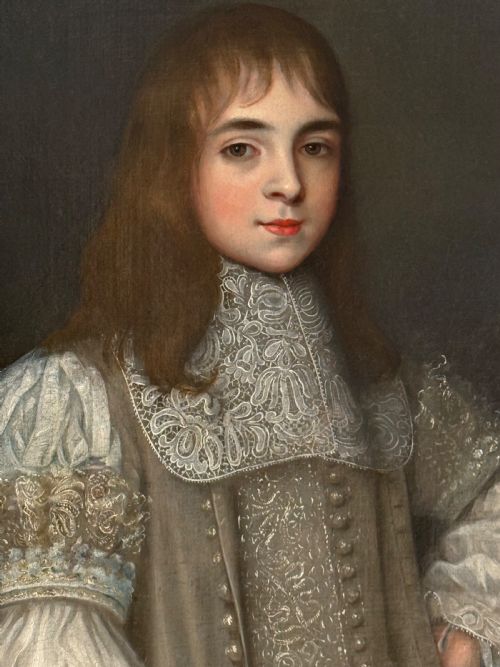
Artists typically utilised oil paint on canvas, board or panel to achieve rich textures in fabric and drapery. Watercolour and wash on paper appear frequently for finer, more illustrative depictions of costume details.
Support frameworks often incorporate wood and giltwood frames that complement the period aesthetic of the artwork. Hand-coloured lithography also provides a medium for reproducible costume studies finished with individual pigment application.
Listings feature oil on canvas, watercolour, oil on panel, and hand-coloured lithographs across periods from the 17th century to 1930.
Evaluating Quality
Quality rests in the precision of the draughtsmanship and the artist's ability to render the specific textures of historical fabrics. Works by established named painters demonstrate superior handling of light, shadow and character expression.
The complexity of the composition and the historical accuracy of the costume elements distinguish finer examples from standard decorative pieces. Original framing, such as period giltwood surrounds, adds materially to the integrity of the piece.
Samuel De Wilde·W.D. Almond·John Michael Wright·Delapoer Downing·Arthur Hopkins·Robert Alexander Hillingford·Frank Moss Bennett·Susie Lassam·Hans Temple·Willem Johannes Martens·Marcel Brunery·Adolphe-Alexandre Lesrel·George Perfect Harding
The Historical Costume Artwork Glossary
- Genre painting
- A style depicting scenes from everyday life, often featuring figures engaged in common activities or social gatherings. These works frequently incorporate historical costume elements to set a specific narrative context.
- Watercolour
- A painting method where fine pigments are suspended in a water-based solution on paper. It allows for translucent washes that capture delicate details in costume and portraiture.
- Giltwood
- Wood that has been coated with a thin layer of gold leaf or gold paint. This finish is commonly found on traditional frames housing historical artworks.
- Lithograph
- A print produced from a flat stone or metal plate treated to retain ink only in desired areas. Hand-coloured examples receive supplementary pigment applied directly to the printed surface.
Historical Costume Artwork: Frequently Asked Questions
What periods do these artworks cover?
The pieces span multiple centuries, ranging from seventeenth-century portraits to early twentieth-century genre scenes.
Creators drew inspiration from various historical epochs, including sixteenth-century cavalier dress and Georgian fashion.
How were these paintings housed?
Many works are preserved in their original surrounds, frequently utilising wood or giltwood frames.
These enclosures match the aesthetic of the period in which the artwork was produced.
What mediums are used in these pieces?
Artists employed oil paint on canvas, board and panel alongside watercolour and wash on paper.
Some examples utilise lithography enhanced by hand-applied colour to depict historical costume.
Where do these artworks originate?
The selection includes British, French, Viennese and Italian creators working within academic and genre traditions.
Regional artistic practices shaped how historical dress was interpreted across Europe.