



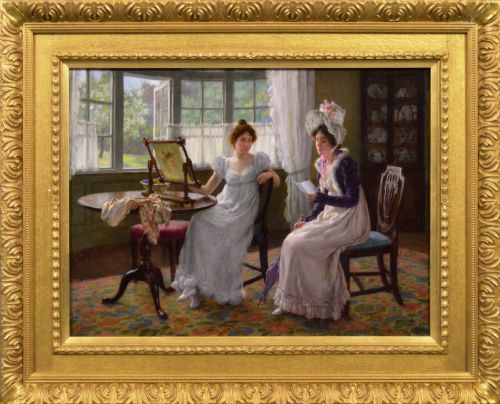

Victorian Period Art
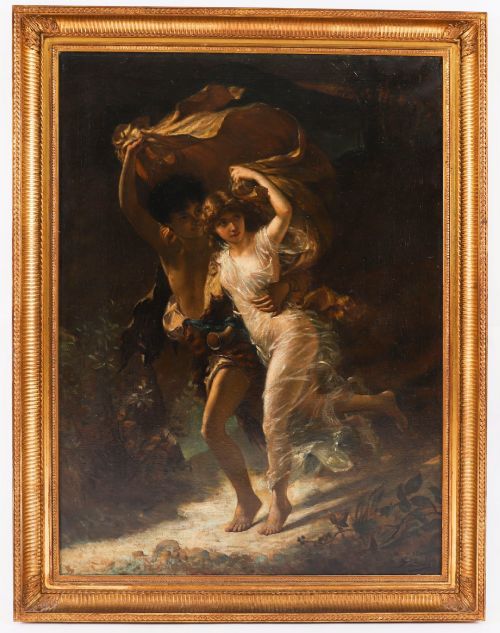
These pieces of victorian period art bring nineteenth-century portraiture, paintings and decorative craft into modern rooms.
Victorian Period Art
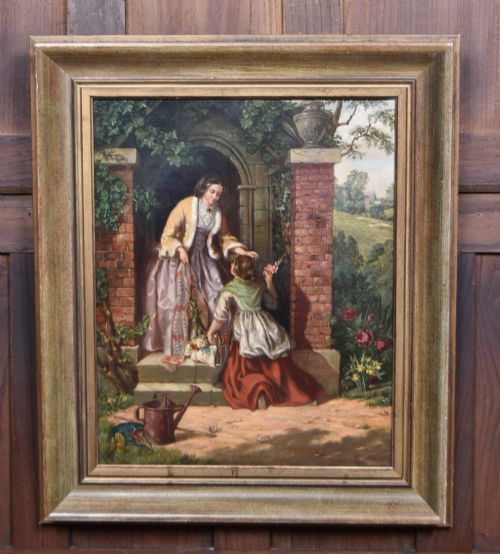
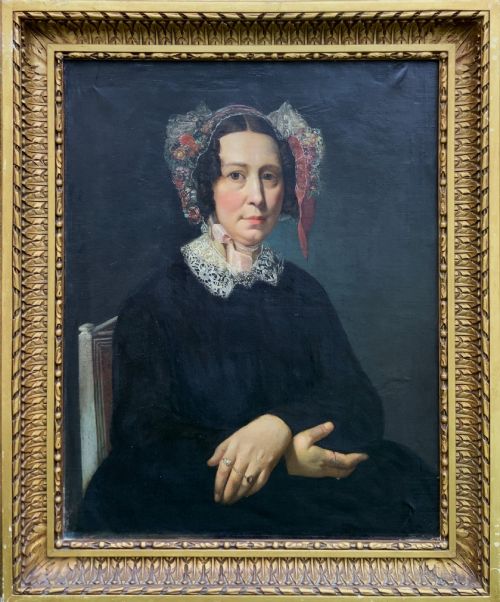
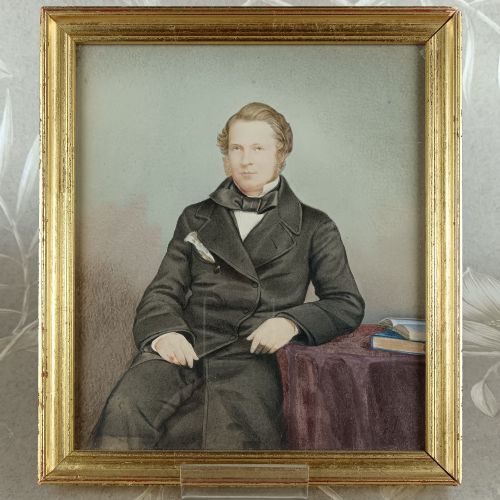
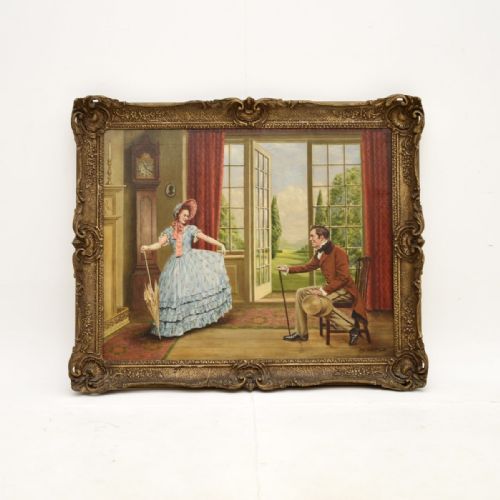
Victorian period art covers oil paintings, watercolours and framed prints spanning the nineteenth century and associated nineteenth-century styles. Buyers find character portraits, genre scenes of domestic life and botanical studies alongside architectural fittings and treen.
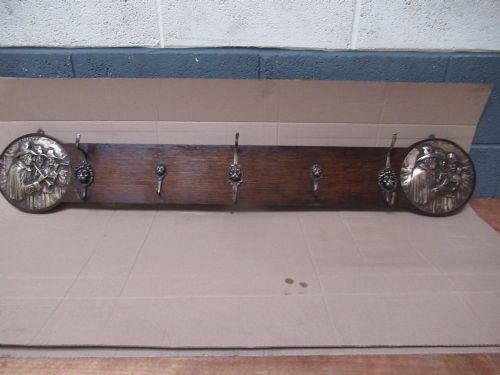
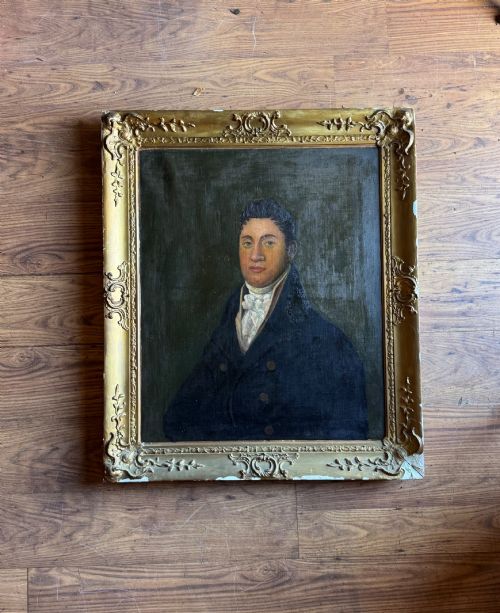
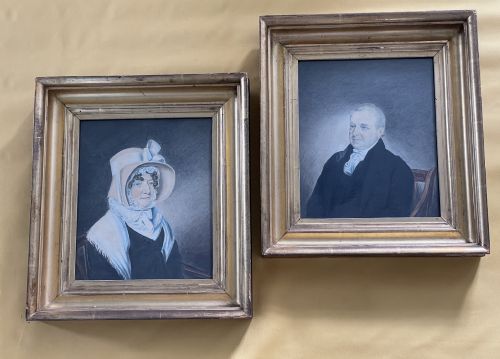
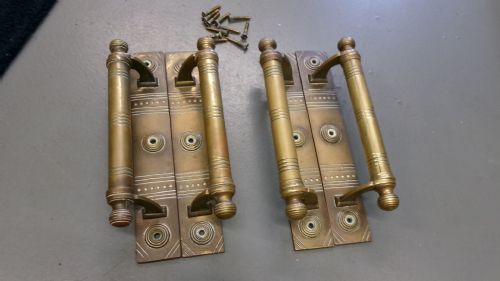
The most common version met on this page is the framed portrait in oil or watercolour, often depicting a subject from the Victorian or Georgian eras. Works on canvas and paper dominate, accompanied by related period items such as brass door hardware and carved woodwork.
Materials and construction
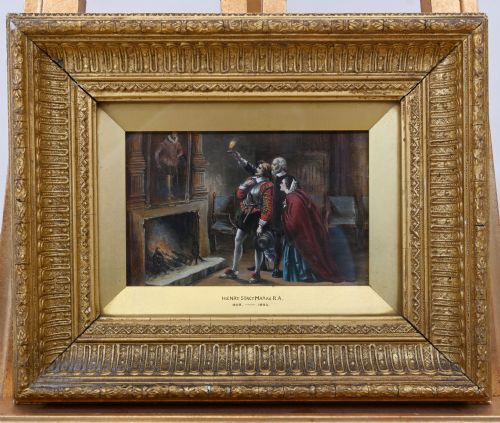
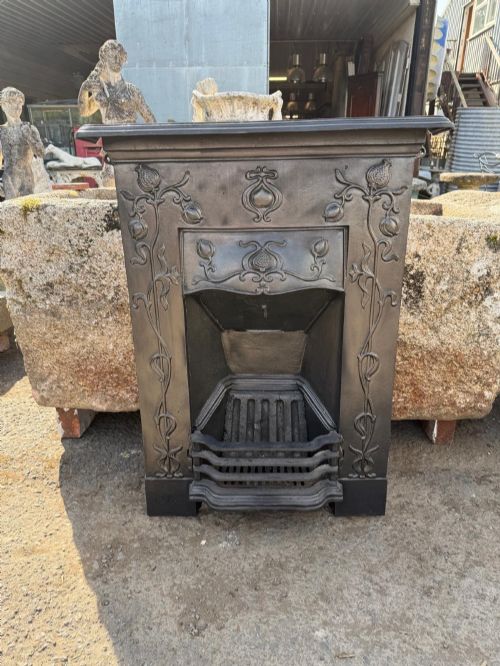
Painters used oil and watercolour on canvas, wood panels, paper and zinc plates, mounting finished works inside giltwood, gesso or ebonised frames. Artists built compositions with traditional pigments while makers of domestic metalwork utilised cast iron, brass and beaten copper.
Supports range from heavy linen canvas to delicate paper sheets and wooden panels, frequently paired with period labels and protective glazing. Treen items utilise turned timber, reflecting woodworking techniques typical of nineteenth-century workshops.
Victorian Period Art Retail Price Guide 2026
Typical asking prices for victorian period art among the pieces listed under this phrase on Sellingantiques today, from the lower quarter to the upper quarter. They describe what is for sale here now, not the wider market.
Listings feature paper, canvas, wood, oil paint, glass, giltwood, gesso and brass across the nineteenth century.
Assessing quality in period pieces
Quality rests in the execution of the brushwork, the handling of light and shadow, and the expression captured within portrait subjects. Finer paintings display assured draughtsmanship and psychological depth, while decorative items show precision in casting, beating or carving.
The integrity of the original frame and surface preservation heavily influence the standing of a piece. Works retaining their period mounts and untouched paint layers demonstrate greater authenticity and historical coherence.
Alfred Lyndon Grace·Henry Arthur Roberts·Philip Richard Morris·Alice Anne Renshaw·Charles Haigh Wood·H. Bayly·John Robert Dicksee·Kunisada·Sir George Reid·James H Hulse·Sydney Kendrick·Frederick Thomas Baynes·Robert Kemp
The Victorian Period Art Glossary
- Genre painting
- Depiction of aspects of everyday life by subjects from ordinary life, often set in domestic interiors. These works tell visual stories of nineteenth-century social habits.
- Gesso
- A paint mixture consisting of a neutral binder mixed with chalk, gypsum or pigment. It provides a smooth surface for gilding on picture frames.
- Treen
- Small handmade wooden objects for domestic use. The term derives from old regional words for timber.
- Quaich
- A shallow two-handled drinking vessel of Scottish origin. Traditional examples are turned from wood.
- Watercolour
- A painting method in which the paints are made of pigments suspended in a water-based solution. Paper serves as the primary support medium.
Victorian Period Art: Frequently Asked Questions
How do I hang a heavy oil painting?
Heavy oil paintings require picture hooks rated for the specific weight, secured directly into wall studs or using proper cavity anchors.
Position the wire or d-rings evenly to ensure the canvas hangs level against the wall surface.
Where should I place watercolours?
Watercolours on paper need protection from direct sunlight to prevent fading of the pigments over time.
Keep them away from damp areas like unheated walls to safeguard the paper support and backing.
How are nineteenth-century frames cleaned?
Dust giltwood and gesso frames gently with a soft, dry brush to remove surface particles without disturbing the finish.
Avoid liquid cleaners or abrasive cloths, which can strip the delicate gold leaf and decorative composition.
Can brass hardware be polished?
Brass door handles and finger plates retain historical character through their natural patina and darker aged areas.
Polishing is a personal choice that removes this history, so many collectors prefer leaving the metal untouched.