
Historical Canvas Art
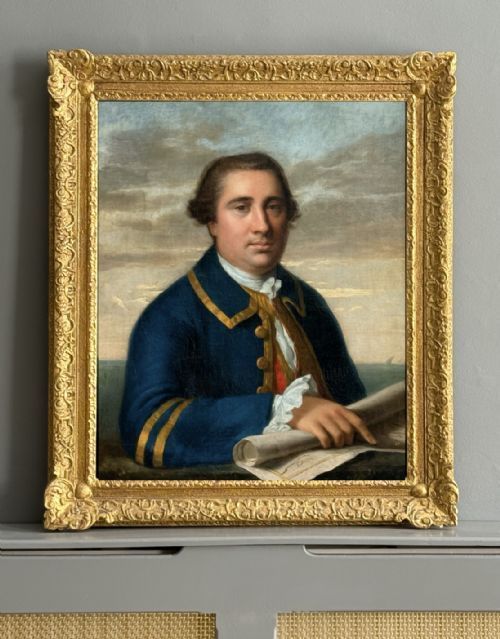
Historical canvas art brings centuries of portraiture and maritime history into interiors through oil paintings on woven supports.
Historical Canvas Art
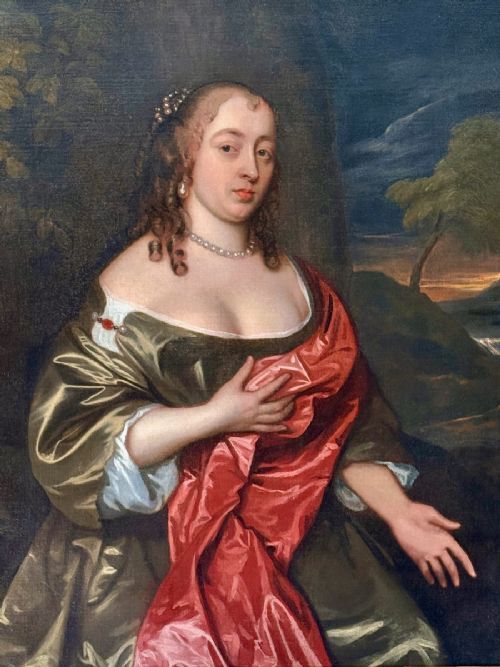
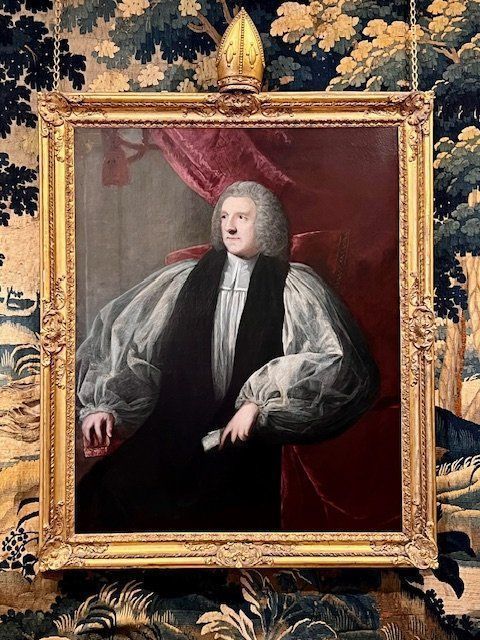
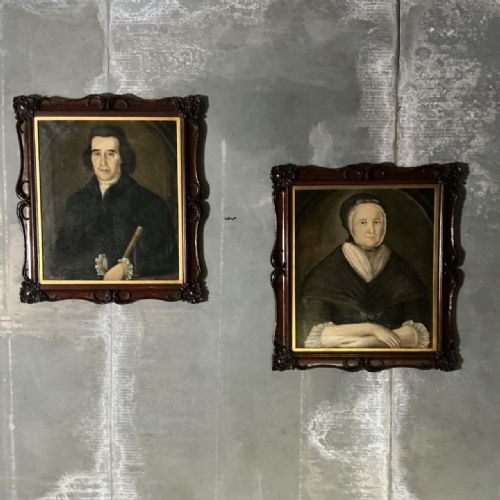
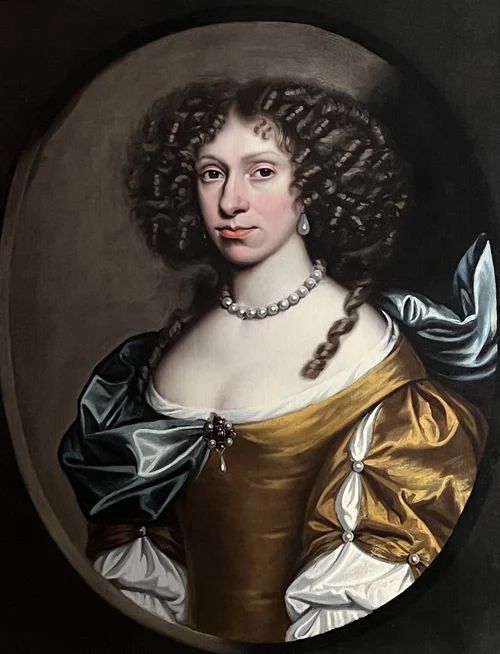
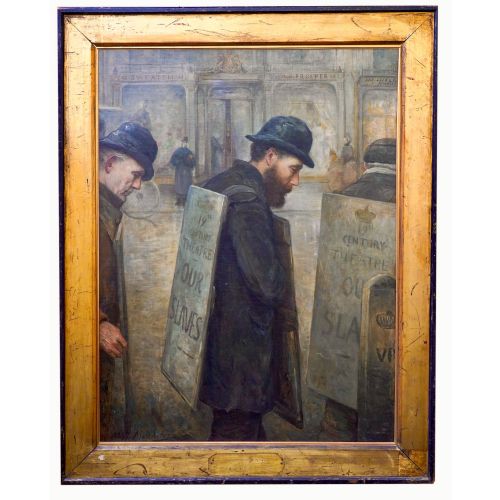
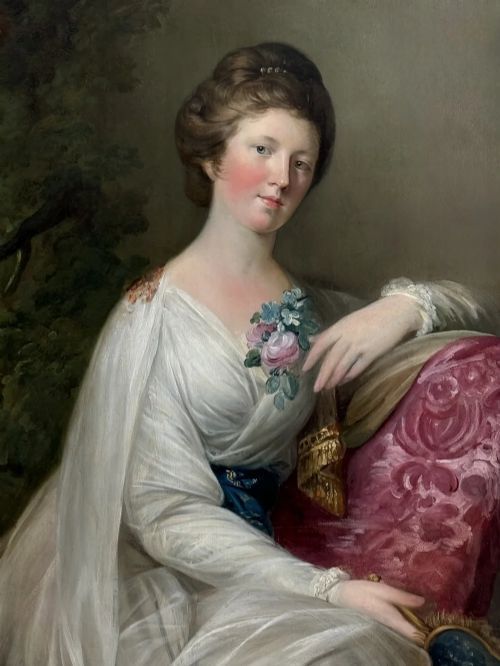
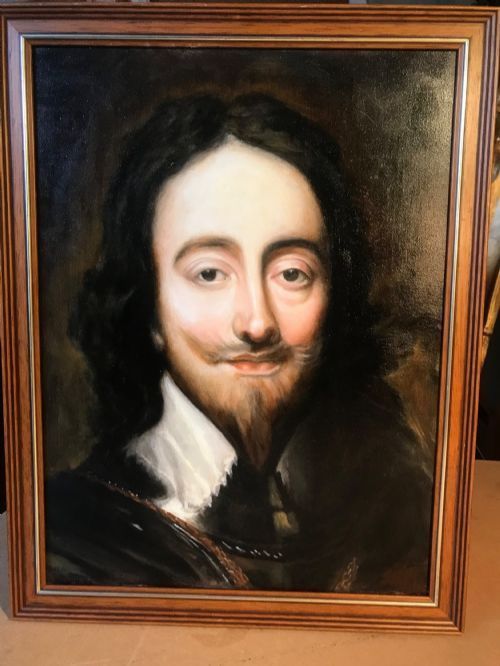
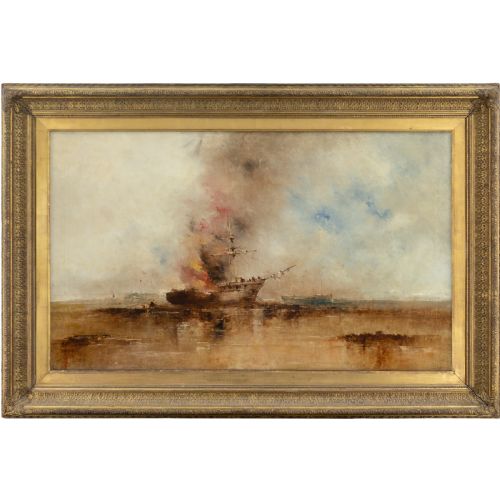
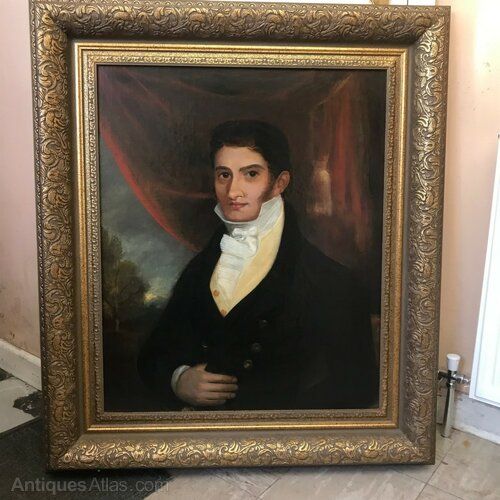
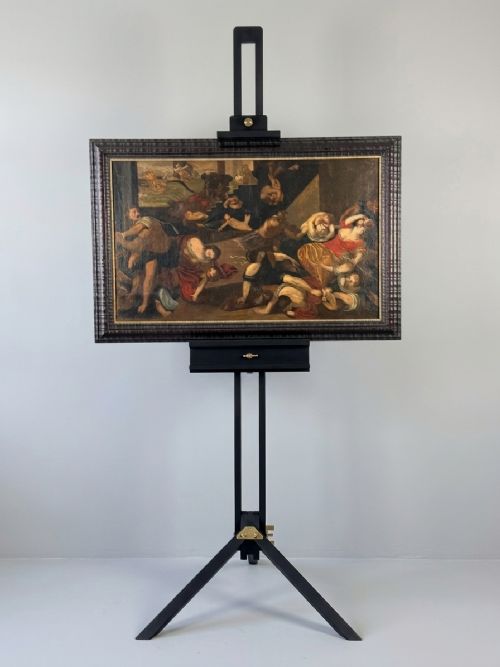
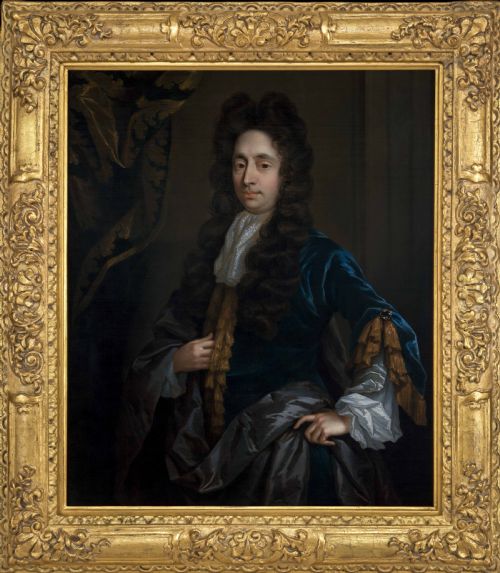
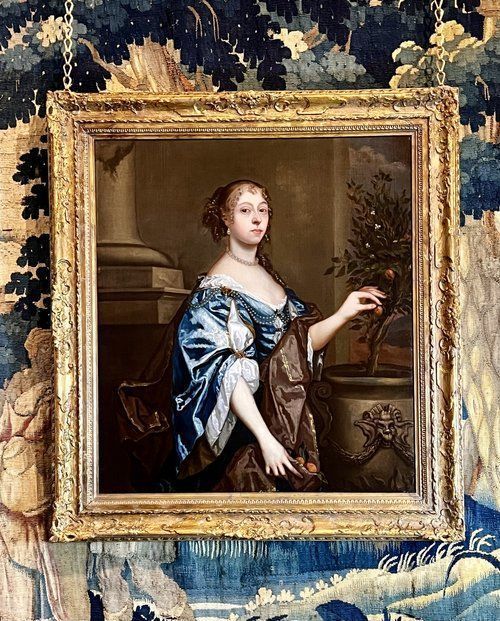
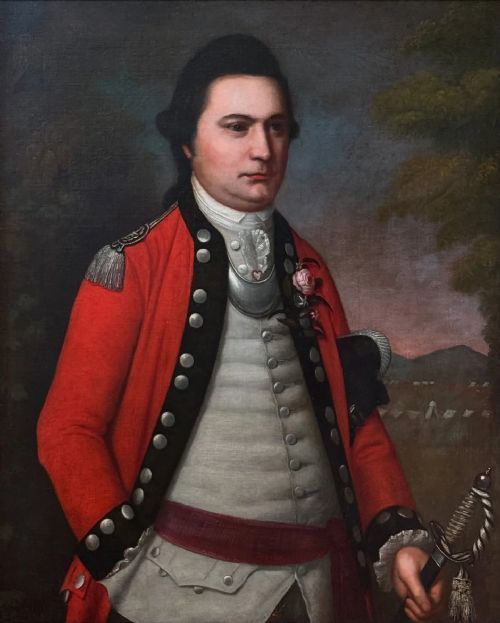
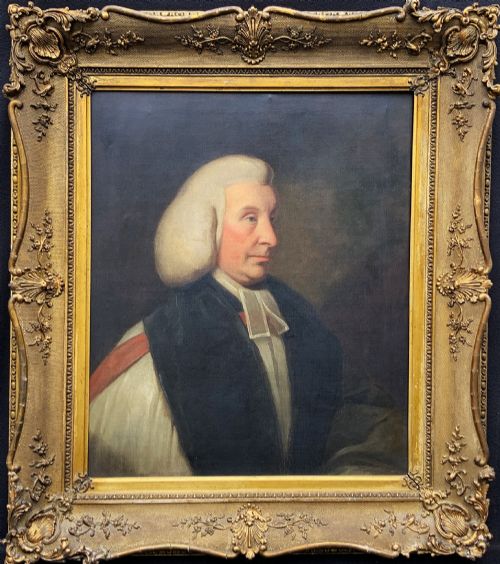
When searching for historical canvas art, collectors encounter oil paintings originating predominantly from the seventeenth, eighteenth, and nineteenth centuries. These works include formal portraits of nobility, military officers, and merchants, alongside narrative scenes and maritime events.
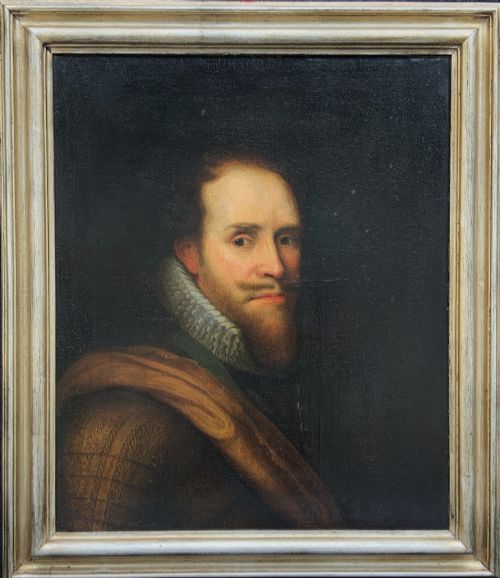
The objects span varied British, Dutch, and European schools, representing historical figures and everyday subjects executed on stretched woven textile grounds. Portraiture forms the dominant category on this page, reflecting centuries of commission work from distinct artistic circles.
What varies in quality
The integrity of the original canvas support, the preservation of the pigment layers, and the authenticity of the accompanying period frame distinguish fine studio pieces from standard decorative works.
Several sitters wear elaborate lace ruffs and velvet doublets that reveal the exacting fashion trends of the sixteen-twenties.
Sir Joshua Reynolds·Anthony Van Dyck·Sir Peter Lely·Constantyn Netscher
The Historical Canvas Art Glossary
- Oil on Canvas
- A traditional painting technique where pigments bound in drying oils are applied to a woven fabric support. This combination allows for rich colour depth and blending.
- Giltwood
- Timber carved and coated with a thin layer of gold leaf or metallic powder. It provides ornate framing for historic paintings.
- Studio of
- A term indicating a work produced by assistants or pupils working under the direct supervision of a master artist. Such pieces often replicate popular portrait compositions.
- Baroque
- An artistic style prevalent during the seventeenth century characterised by dramatic lighting, deep shadows, and dynamic movement. Portraits from this period often feature rich garments and intense expressions.
Historical Canvas Art: Frequently Asked Questions
How do I date an old painting?
Dating relies upon costume details, hair styles, and the method of canvas preparation used by the workshop.
Examining historical records alongside stylistic markers helps place the work within a specific century.
Who painted these portraits?
The works originate from named master artists, studio assistants, and regional European schools working across centuries.
Signatures or historical attribution records often connect the canvas to a specific painter or workshop.
Where should I hang these?
Historic canvases suit traditional reception rooms, studies, or hallways with controlled ambient lighting.
Avoiding direct sunlight protects the oil pigments and the underlying canvas from degradation.
What frames are original?
Period frames typically match the century of the canvas and feature hand-carved wood with gold leaf finishing.
Matching joinery techniques and corresponding wear patterns help confirm the frame belongs to the painting.