






Historical British Artwork
Historical british artwork captures centuries of island identity through painted portraiture, naval skirmishes and domestic genre scenes.
Historical British Artwork
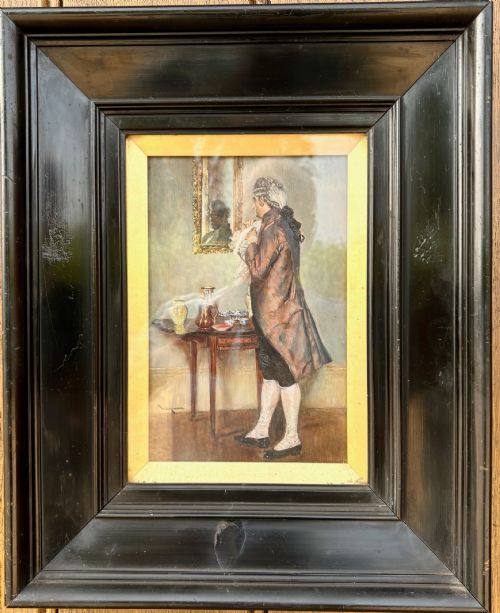
Historical british artwork spans oil paintings, watercolours and engravings that record centuries of national life, military triumphs and aristocratic lineage. When exploring historical british artwork, collectors encounter everything from seventeenth-century panel portraits to grand Victorian genre paintings.
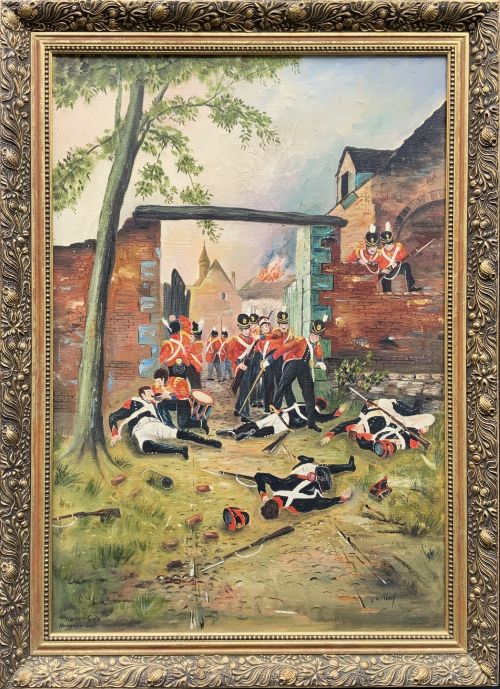
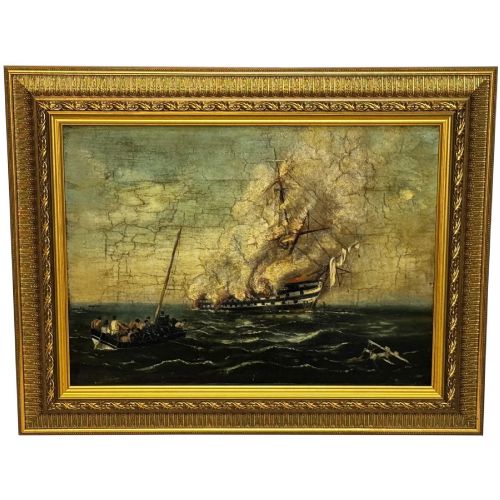
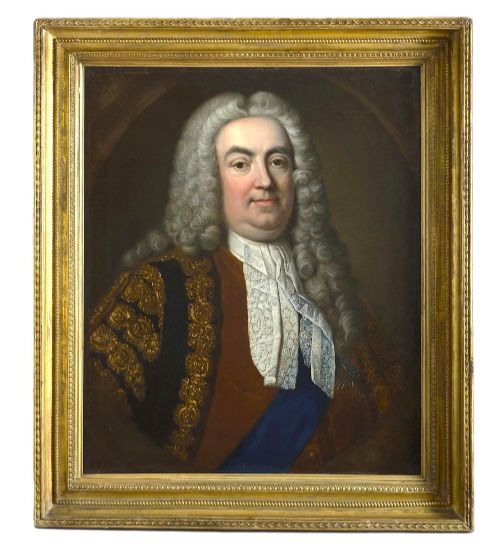
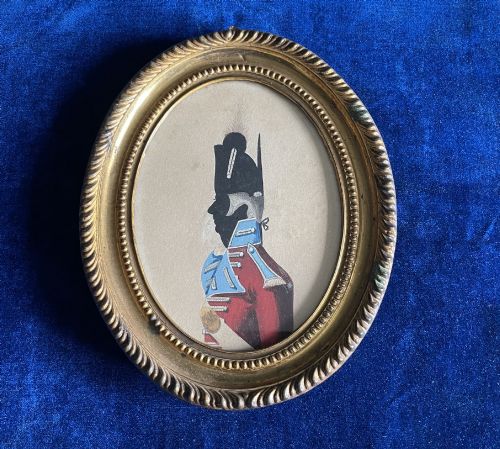
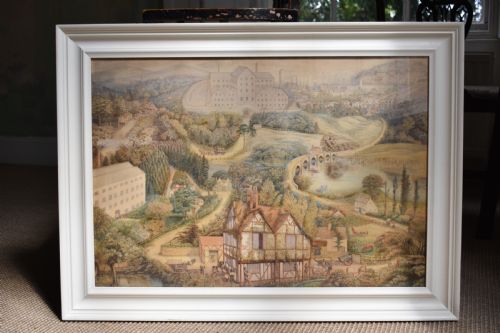
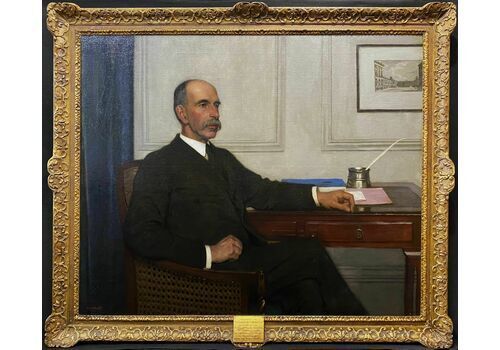
The selection on this page relies heavily on portraiture depicting figures ranging from prime ministers to domestic servants, alongside coastal landscapes and maritime engagements. These pieces document both the notable personalities and the everyday environments of bygone eras.
How they were made
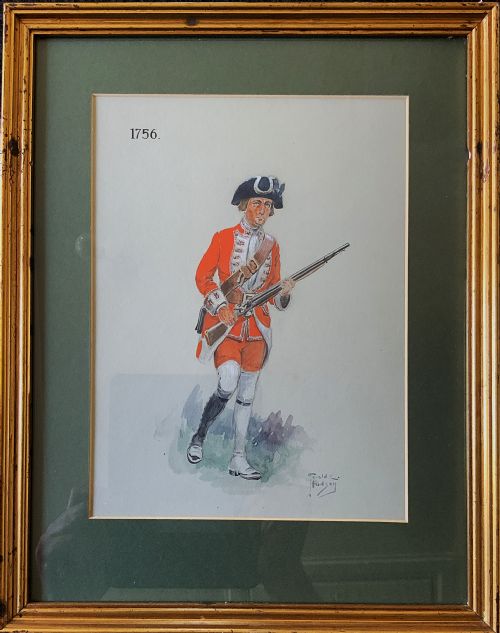
Makers utilised traditional mediums including oil paint applied to canvas, wood panels or board, alongside delicate watercolours and wash on paper. Giltwood and gilt wood frames frequently house these works, providing structural edge and period presentation.
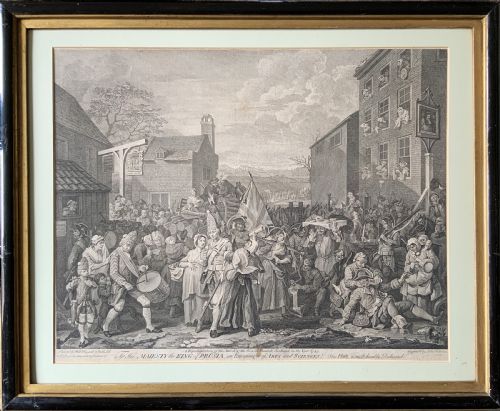
Techniques range from fine portraiture executed by studio circles to looser impressionistic brushwork and detailed nineteenth-century engraving. Artists built depth through layered pigments, capturing fabrics, lace and atmospheric light with careful precision.
Historical British Artwork Retail Price Guide 2026
Typical asking prices for historical british artwork among the pieces listed under this phrase on Sellingantiques today, from the lower quarter to the upper quarter. They describe what is for sale here now, not the wider market.
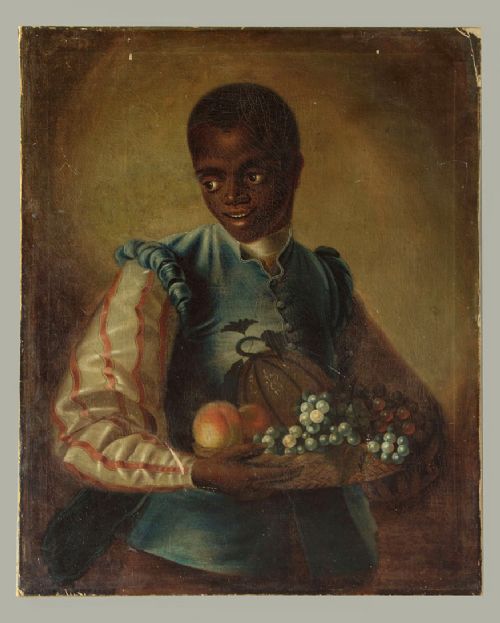
Several portraits preserve the intense gaze of seventeenth-century domestic servants alongside prime ministers.
What varies in quality
The distinction between standard works and master creations often lies in the fidelity of facial likeness, the handling of drapery textures, and the complexity of the composition. Paintings originating directly from an established artist's hand command greater attention than studio copies or later follower pieces.
Condition plays a part in evaluation, specifically regarding the stability of the canvas, the preservation of original pigments, and the integrity of the period framing. Works retaining their initial surface without heavy restoration present a more authentic historical document.
Jean Baptiste Van Loo·Harold Knight·William Hogarth·Sir Joshua Reynolds·Mary Beale
The Historical British Artwork Glossary
- Oil on Canvas
- A painting medium where pigments are suspended in drying oils and applied to stretched fabric. This technique allows for rich colour blending and lasting durability.
- Watercolour Painting
- Artwork created using water-soluble pigments on paper stock. It offers translucent washes and immediate tonal shifts.
- Genre Painting
- Pictorial representation of scenes from everyday life involving ordinary people. These works often capture domestic interiors or social gatherings.
- Engraving
- A printmaking method where an image is incised into a metal plate to hold ink. Impressions are then transferred onto paper under pressure.
Historical British Artwork: Frequently Asked Questions
How do I identify the period of a painting?
Dating relies on stylistic clues within the subject's costume, hair styling, and framing materials. Examining the support medium and any visible signatures or inscriptions also helps anchor the piece in time.
Comparative analysis with documented works from the same decade provides further confirmation of the likely creation window.
What subjects are most common?
Portraiture dominates the selection, featuring aristocrats, military officers, and literary figures alongside domestic servants. Maritime scenes and historical battle engagements also appear frequently.
Landscape views of rivers, dockyards, and rural Yorkshire provide additional context for the period's scenery.
How were these artworks displayed historically?
Larger oil paintings were typically hung in formal reception rooms and galleries of country estates to project lineage and status. Smaller watercolours and engravings found places in private studies and intimate drawing rooms.
Heavy giltwood frames were selected to complement interior architectural woodwork and decorative plasterwork.
What is the difference between an oil and a watercolour?
Oils utilise slow-drying binders that permit extensive blending and rich texture on canvas or wood panels. Watercolours use a water-based binder on paper, resulting in lighter, more translucent compositions.
Oils generally hung in heavier frames for principal rooms, while watercolours required glass protection.