



Historical Art Drawing
These historical art drawing pieces record past faces, battles and places on paper through graphite, ink, pastel and watercolour.
Historical Art Drawing
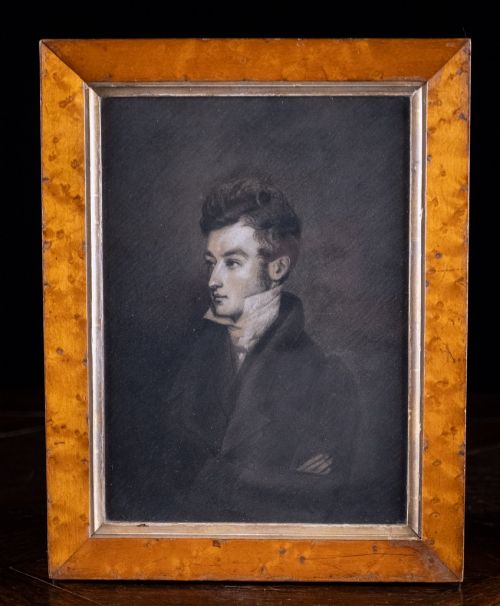
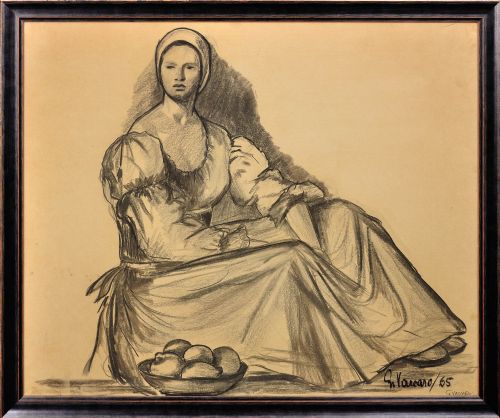
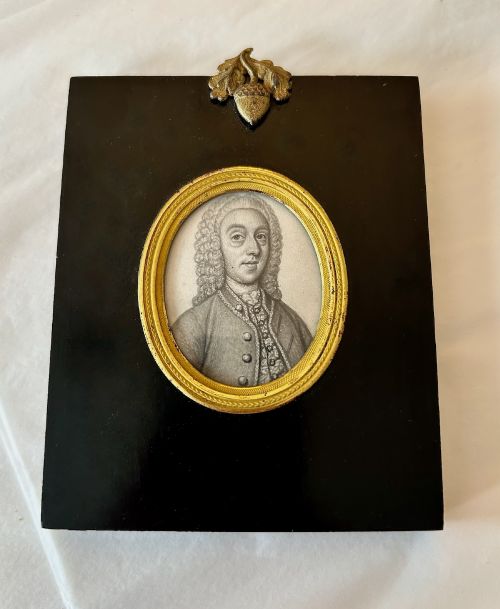
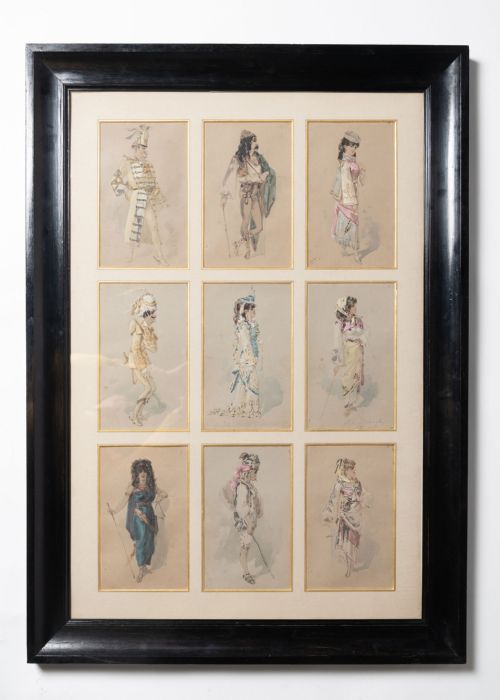
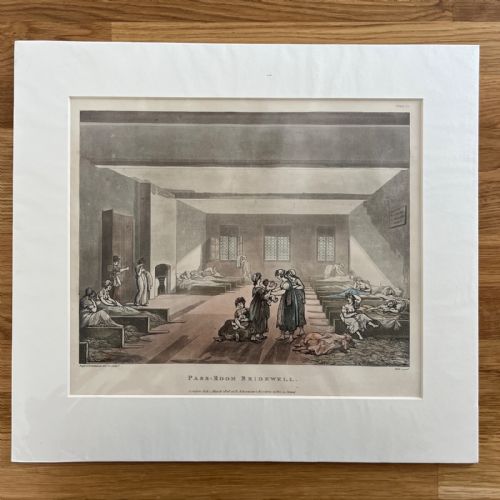
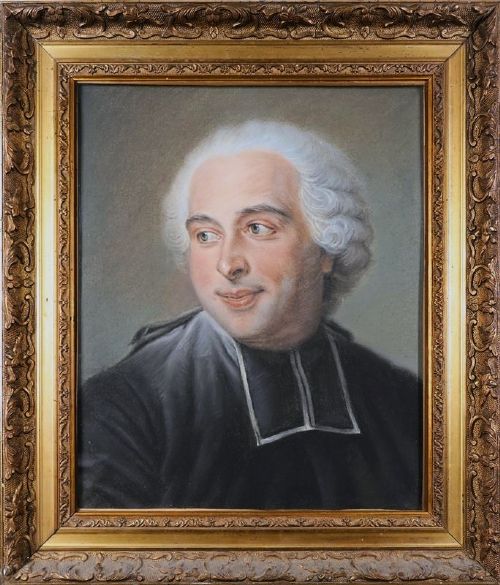
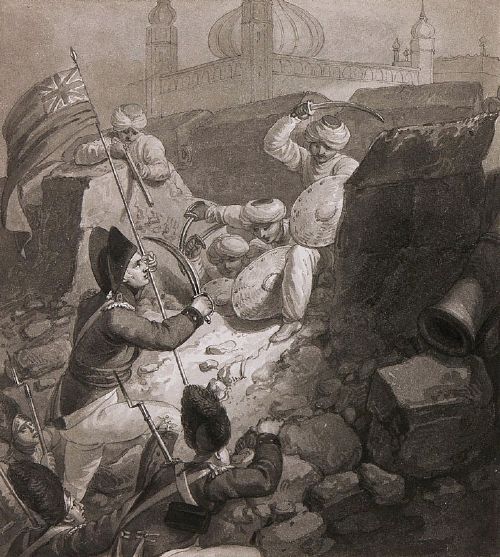
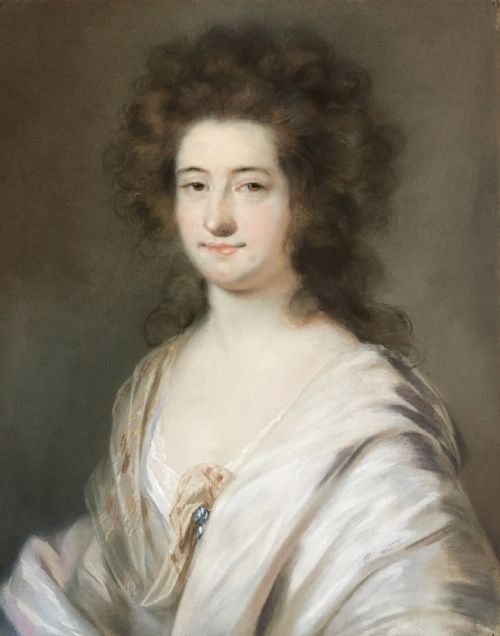
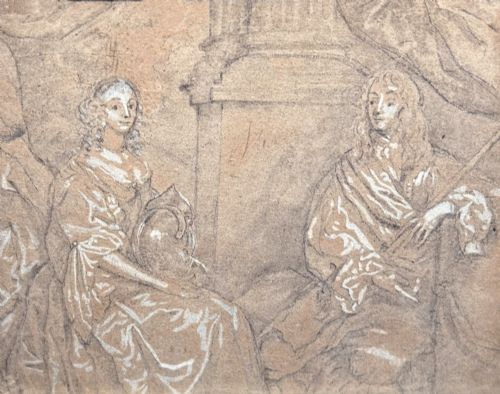
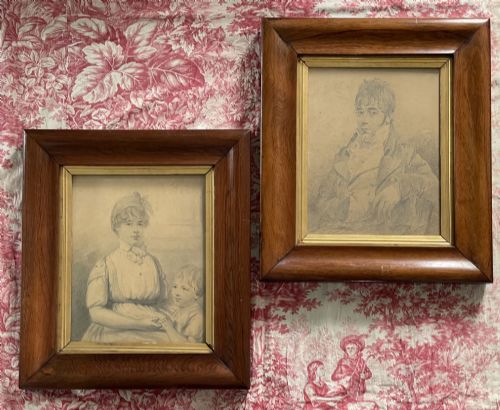
A historical art drawing brings centuries past into sharp focus through original portraits, townscapes and battle scenes executed by hand. The items encountered most frequently on this page span the seventeenth, eighteenth and nineteenth centuries, taking the form of framed portraits, sketch studies and ink wash compositions on paper.
Makers ranged from skilled amateurs to academic masters, capturing subjects from Regency couples and noble sitters to soldiers and children. These works record personal likenesses alongside military engagements, architectural views and allegorical subjects framed behind glass for preservation.
Materials and Technique
Artists relied primarily on paper supports, applying graphite, charcoal, chalk, pen and ink, or pastel to build up delicate lines and tonal depth. Watercolour washes added colour and atmosphere to townscapes and battle scenes, while pencil and graphite allowed for precise portrait work.
Framed works often combine these dry and wet media with wood frames and protective glass, preserving delicate pigments and powdery charcoal from physical disturbance.
Historical Art Drawing Retail Price Guide 2026
Typical asking prices for historical art drawing among the pieces listed under this phrase on Sellingantiques today, from the lower quarter to the upper quarter. They describe what is for sale here now, not the wider market.
Listings include works on paper spanning the seventeenth to twentieth centuries, featuring graphite, watercolour, ink, chalk and pastel.
Quality and Execution
The distinction between ordinary and exceptional works rests on the confidence of the draughtsmanship and the psychological depth of the subject. Masterful handling of anatomy, expression and perspective separates accomplished academic studies from naive or stiff output.
Condition plays a vital role in assessment, where clean paper free from heavy foxing and strong, unfaded ink or pastel pigment preserve the creator's original intent.
William Marshall Craig·Peter Lely·Fred Lawson·Theobald Chartran·George Richmond
The Historical Art Drawing Glossary
- Graphite
- A form of carbon used in pencils to produce grey monochrome drawings ranging from hard, pale lines to soft, deep shadows. It became widely utilised for detailed portraiture from the seventeenth century onward.
- Pastel
- A medium consisting of powdered pigment combined with a binder and moulded into sticks, creating velvety coloured marks on paper. Works executed in this material require glass protection due to its delicate surface.
- Wash
- A thin, transparent layer of diluted ink or watercolour applied with a brush to paper. This technique establishes atmospheric depth and tonal contrast in historical landscapes and battle scenes.
- Academic Art
- A style of painting and drawing produced under the influence of European academies of art, following strict standards of composition and anatomical precision. Grand Prix de Rome submissions represent this rigorous training.
Historical Art Drawing: Frequently Asked Questions
What periods do these drawings cover?
The selection spans from the seventeenth century through the Regency era and Victorian period into the early twentieth century. Pieces reflect prevailing artistic styles of their respective decades.
Examples range from eighteenth-century pastel portraits to World War I trench art drawings produced on location in France.
How should historical drawings be displayed?
These works on paper require hanging away from direct sunlight to prevent the fading of inks, watercolours and pastels. Framing behind glass protects the fragile surface materials from dust and moisture.
Stable indoor humidity prevents the paper support from cockling or developing age spots.
How are portrait subjects identified?
Many historical portraits include inscriptions on the mount, reverse or within the composition detailing the sitter's name and dates. Research into uniforms, clothing styles and artist signatures often uncovers further biographical context.
Exhibition labels and historical records help connect sitters to specific events or families.
What is the difference between a sketch and a finished drawing?
Sketches are rapid exploratory studies created to capture a pose, composition or anatomical detail before starting a larger painting. Finished drawings display a higher degree of polish, complete shading and deliberate composition intended as standalone art.
Head studies and academy submissions represent the preparatory end of this scale.