




Historic Wood Carving
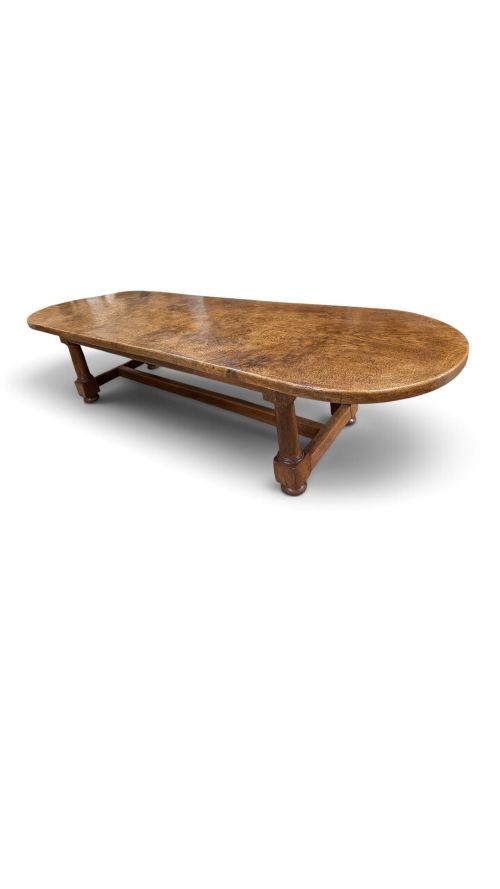
Historic wood carving brings tangible centuries of sculptural depth into a room, offering heavy oak panels, architectural fragments and rich tables.
Historic Wood Carving
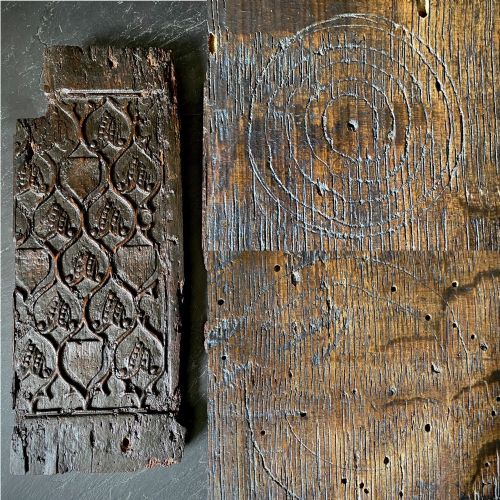
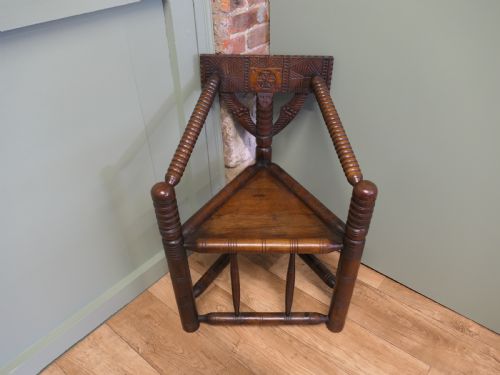
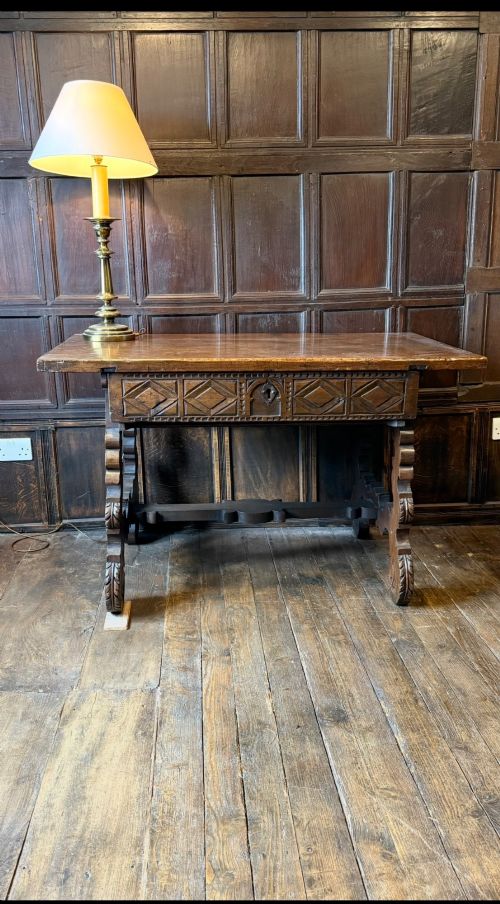
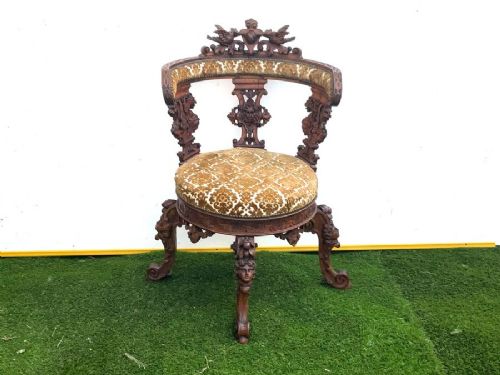
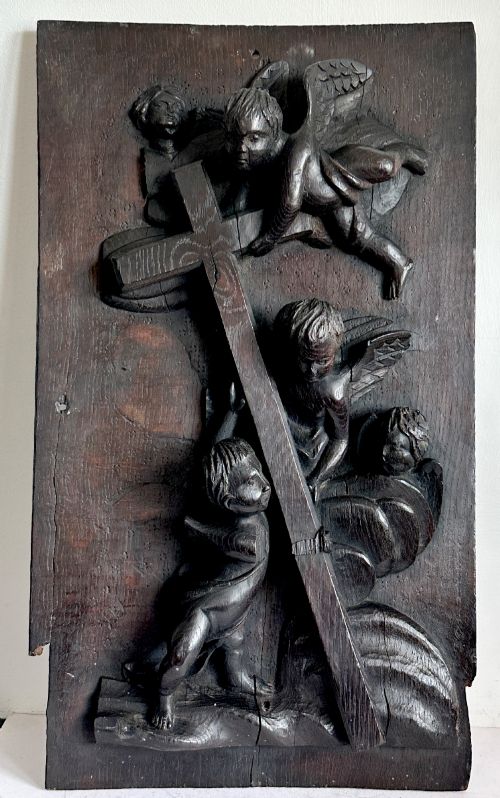
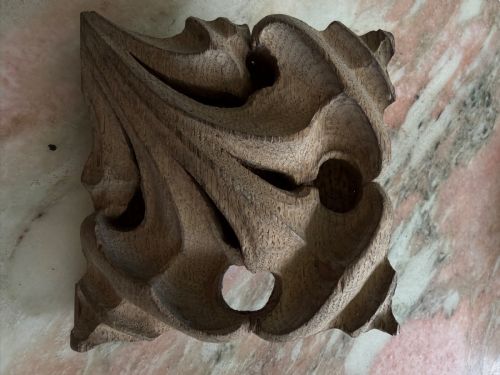
Historic wood carving encompasses substantial furniture and architectural elements that carry centuries of manual shaping, ranging from solid oak panels to structural fragments. Buyers looking for historic wood carving encounter sturdy armchairs, side tables and ceiling bosses alongside figurative wall reliefs.
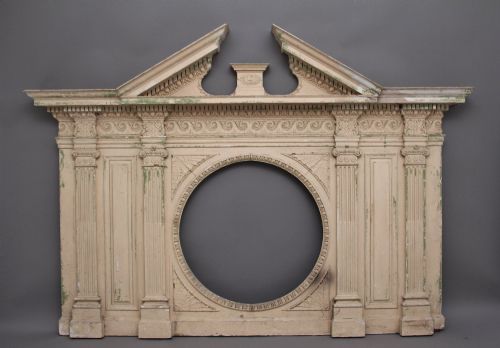
The pieces on this page lean heavily towards seventeenth and eighteenth-century oak, reflecting a period when domestic and architectural joinery relied entirely on hand tools. Alongside these robust oak forms appear walnut chairs and painted pine overmantles, showing the broader domestic interior vocabulary of the era.
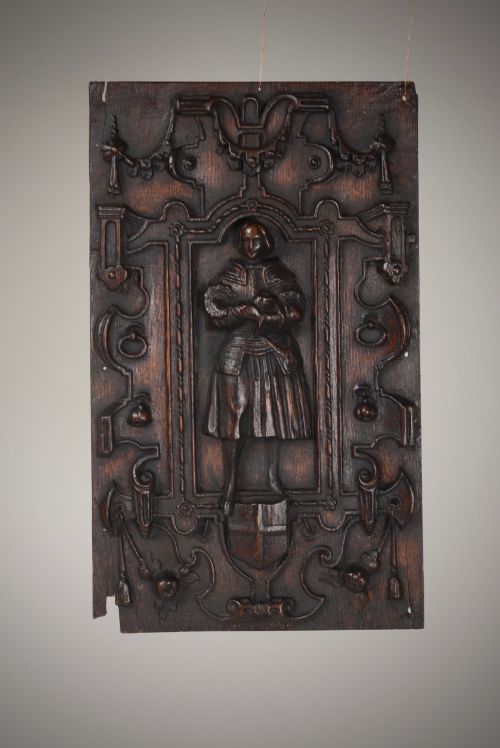
Alongside furniture, the selection includes smaller panels depicting historical or religious figures such as Joan of Arc, as well as architectural salvage. These portable reliefs and structural fragments provide direct contact with historic workshop traditions without demanding the floor space of a large dining table.
Assessing quality in carved timber
The integrity of the timber itself dictates value, favouring pieces that retain their original structural mass rather than extensive modern replacements. Original surface patination accumulated over centuries adds considerable authority to the carving.
Historic Wood Carving Retail Price Guide 2026
Typical asking prices for historic wood carving among the pieces listed under this phrase on Sellingantiques today, from the lower quarter to the upper quarter. They describe what is for sale here now, not the wider market.
One seventeenth-century panel quietly records the resolute face of Joan of Arc watching from walnut grain.
Piggin Norwich
The Historic Wood Carving Glossary
- Oak
- A hard, durable timber native to Britain and Europe, widely utilised for seventeenth and eighteenth-century furniture and architectural panels. Its open grain accepts deep chisel profiles particularly well.
- Panel
- A flat piece of wood, often carved in relief with figures or foliage, designed to fit within a framed structure like wainscoting or cabinet doors.
- Caryatid
- A sculpted female figure serving as an architectural support column or pilaster. In historic woodwork, these figures appear carved in relief on furniture or mantelpieces.
- Ceiling boss
- A projecting ornamental keystone at the intersection of vaulted ribs or ceiling timbers, frequently carved with leaves or grotesque faces.
- Turner's chair
- A type of armchair constructed entirely from turned wooden spindles and members, popular in the seventeenth century. They showcase early precision in lathe work rather than planar carving.
Historic Wood Carving: Frequently Asked Questions
How do I date a carved oak panel?
Dating relies on the style of the carving, tool marks left by the chisel, and the shrinkage patterns of the timber over centuries.
Early panels often show irregular hand-split boards and simpler mortise-and-tenon framing that differs entirely from later machine-sawn manufacturing.
Where were architectural carved fragments used?
These fragments originated inside grand houses, churches and public buildings as overmantles, ceiling bosses or decorative wall panels.
They were salvaged during later alterations and repurposed into decorative objects for collectors of historic interiors.
How should I care for historic wood carvings?
Keep carved wooden pieces away from direct heat sources and sudden humidity shifts to prevent the timber from splitting or warping.
Apply a light microcrystalline wax occasionally to nourish the surface without attracting dust to the deep chisel grooves.
What is the difference between Jacobean and Baroque carving?
Jacobean carving tends to feature rigid geometric strapwork, shallow floral patterns and stiff symmetry typical of the early seventeenth century.
Baroque carving introduces dramatic movement, deep undercut foliage, exuberant scrolls and figurative dynamism popular toward the later seventeenth century.