





Historic Wall Decor
Historic wall decor brings centuries of craftsmanship into a room, offering authentic oil paintings, antique maps, and tapestries that anchor a space.
Historic Wall Decor
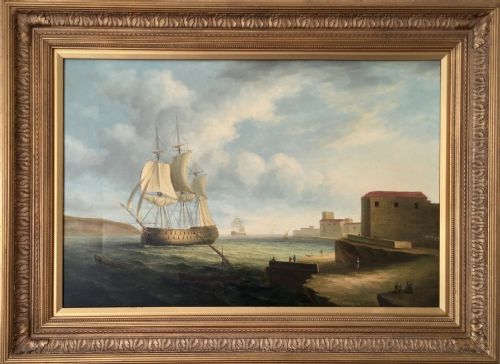
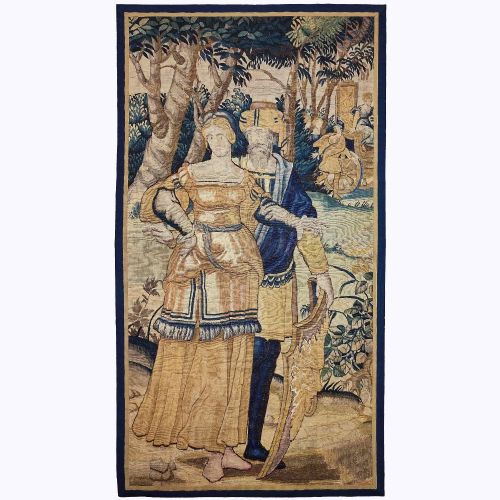
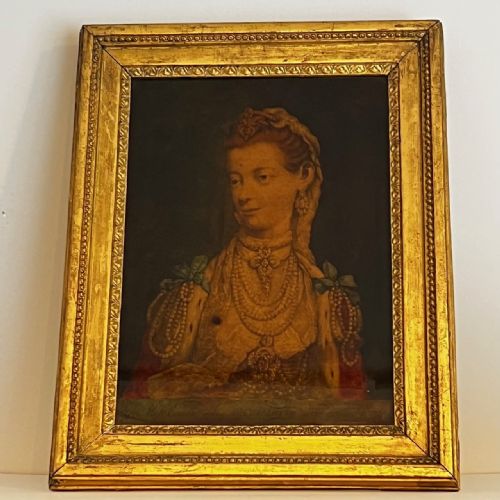
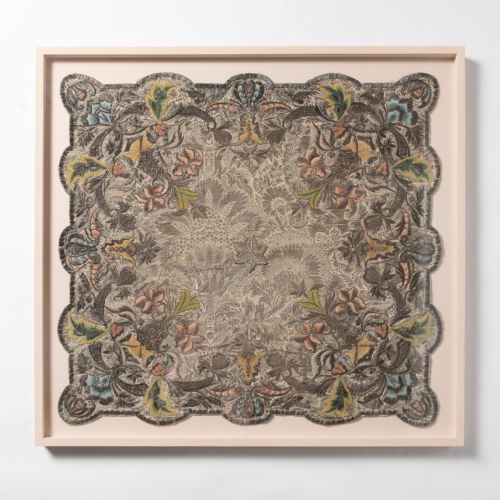
Historic wall decor encompasses centuries of artistic expression, ranging from 16th-century Flemish tapestry panels to 19th-century marine oil portraits and Georgian reverse glass prints.
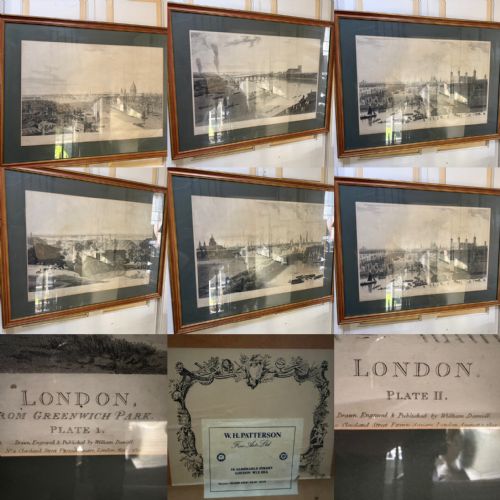
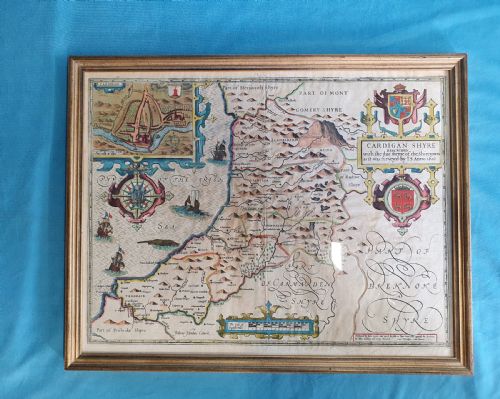
Buyers seeking historic wall decor will find a diverse array of forms on this page, including framed panels, panoramic engravings, and cartographic prints from the 17th century onward.
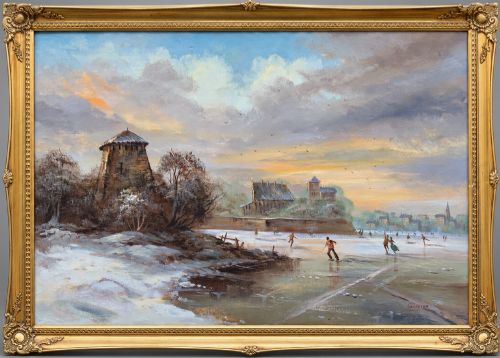
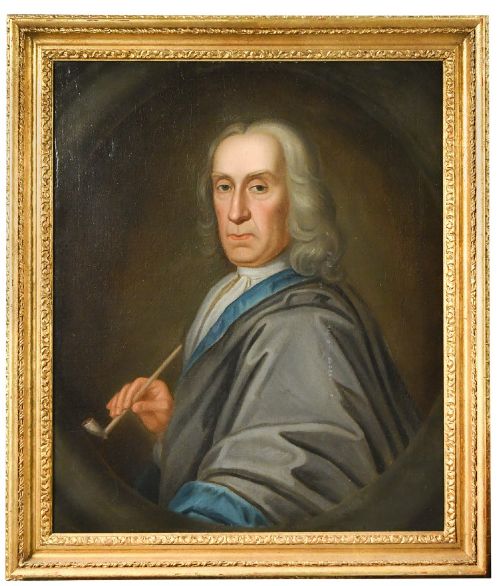
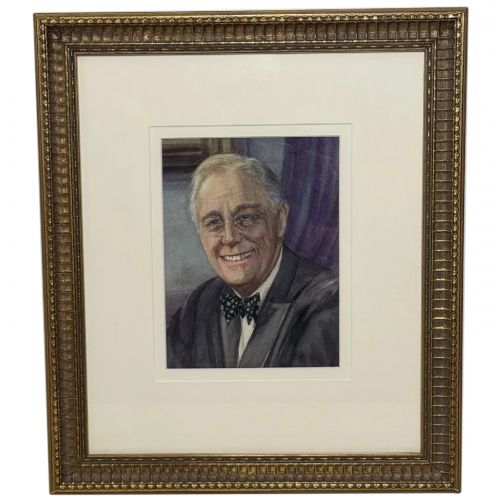
The selection bridges multiple eras, connecting Jacobean portraits and Dutch winter landscapes with mid-century realism and vintage equestrian equipment used as display pieces.
Materials and Techniques
Works rely on traditional supports such as canvas, wood panels, and heavy paper, with pigments applied in oil, ink, or watercolour.
Textiles incorporate woven silk and tapestry threads, whilst decorative reliefs utilise moulded leathermaché for architectural ornaments.
Gilt wood frames often enclose these pieces, providing a tailored border that complements the period of the artwork.
Historic Wall Decor Retail Price Guide 2026
Typical asking prices for historic wall decor among the pieces listed under this phrase on Sellingantiques today, from the lower quarter to the upper quarter. They describe what is for sale here now, not the wider market.
Leathermaché putti gaze down from 18th-century walls, proving that even angels appreciate a sturdy, moulded leather constitution.
Assessing Quality
The standard of execution in portraiture and landscape painting dictates the visual impact, separating skilled hand-painted artistry from standard decorative output.
Preservation of the original surface, whether paper, canvas, or textile, determines the integrity of the piece over centuries.
The fidelity of early printing plates and the clarity of cartographic details reveal the precision involved in producing historical maps and engravings.
William Daniell·Dion Pears·John E Fernley·William Hole·Gaastra
The Historic Wall Decor Glossary
- Reverse glass print
- An image applied directly to the back of a glass sheet for display. This technique creates a smooth, reflective surface that protects the pigments underneath.
- Engraving
- A printmaking method where lines are cut into a metal plate with a sharp tool to hold ink. Impressions transferred to paper yield sharp, permanent details.
- Tapestry panel
- A heavy piece of woven textile featuring pictorial designs created on a loom. These textiles were historically hung on stone walls to insulate rooms.
- Leathermaché
- A moulded composition material made from pulped leather and binders used to form decorative architectural reliefs. It mimics carved plaster or wood with added resilience.
- Cartography
- The science and art of making maps, often seen in copperplate engravings from the sixteenth and seventeenth centuries. These sheets document historical geography and territorial boundaries.
Historic Wall Decor: Frequently Asked Questions
How do I hang heavy oil paintings safely?
Heavy oil paintings require sturdy fixings screwed directly into wall studs or masonry anchors rather than standard plaster plugs. Using a two-point hanging system distributes the weight evenly and prevents the frame from tilting.
Ensure the picture wire or D-rings on the reverse match the total weight of the frame and canvas. Regular checks of the cord integrity keep the display secure over time.
How should I clean antique paper maps?
Antique paper maps and engravings need dry cleaning methods such as a soft brush to remove surface dust. Moisture damages aged rag paper and can dissolve old inks.
Keep framed paper away from direct sunlight to prevent fading and yellowing. Professional conservation framing using UV-protective glass offers the best long-term preservation.
Where were tapestry panels displayed historically?
Tapestry panels hung in large stone-walled halls to provide insulation against cold drafts. They served both a practical purpose and a decorative function in stately homes.
Today, mounting a textile panel on a padded wooden batten distributes the tension evenly across the weave. This method supports the fabric without putting stress on individual threads.
What lighting suits historic oil paintings?
Historic oil paintings benefit from soft, directional lighting that highlights the brushwork without generating excessive heat. LED picture lights mounted above the frame provide cool illumination.
Positioning the light at a thirty-degree angle minimises glare on varnished surfaces. This setup allows the depth of the oil colours to show clearly.