





Historic Print Artwork
Historic print artwork brings centuries of graphic craft into modern rooms, offering genuine 18th Century and Victorian paper, silk, and glass works.
Historic Print Artwork
When you search for historic print artwork, you are looking at wall art, framed prints, fine art prints, and architectural engravings spanning the Georgian, Victorian, and Regency periods. These pieces include original etchings, reverse glass prints, map cartography, and hand-coloured engravings originating from British, French, and Italian workshops.
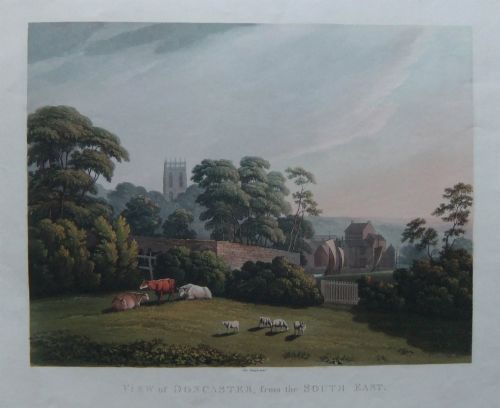
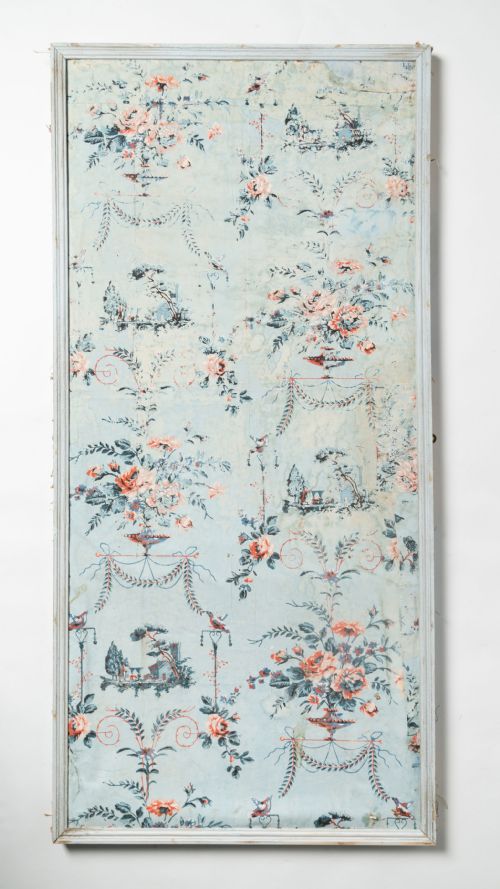
You are most likely to encounter 18th Century engravings, architectural plates, and maritime watercolours or etchings on this page. The forms range from small framed portraits and maps to large wall paper panels and framed paintings.
How they were made
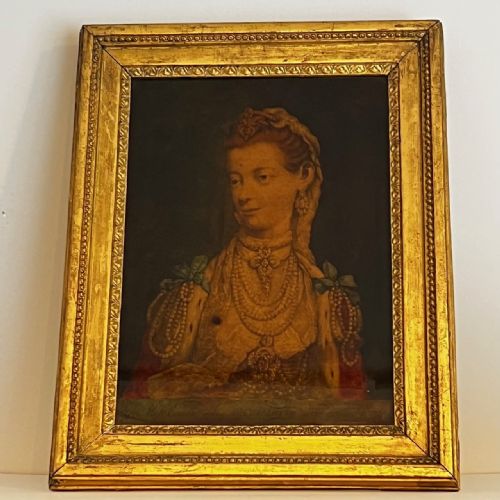
These works rely on traditional paper, ink, and silk media combined with engraving and etching techniques. Artisans also utilised reverse glass printing methods, applying pigment directly behind glass plates to achieve luminous portraits.
Frames employ wood, mahogany, and giltwood materials, often housing the original paper or silk artwork beneath protective glazing. Architectural and cartographic works demonstrate precise hand-inked line work executed on heavy laid paper.
Historic Print Artwork Retail Price Guide 2026
Typical asking prices for historic print artwork among the pieces listed under this phrase on Sellingantiques today, from the lower quarter to the upper quarter. They describe what is for sale here now, not the wider market.
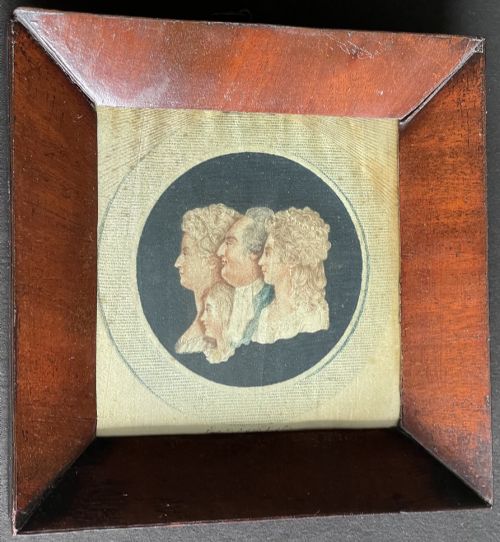
Louis XVI and his family immortalised in silk print offer a remarkably soft royal portrait.
What varies in quality
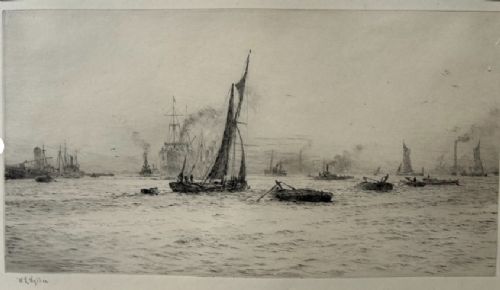
The distinction between standard and superior pieces rests on the clarity of the ink impression and the execution of the original drawing. Master printmakers like William Lionel Wyllie produce etchings with exceptional line definition and tonal depth.
Materials and framing contribute significantly to the overall standard of historic print artwork. Original giltwood frames and fine silk bases elevate the visual presence of 18th Century French and Georgian pieces far beyond basic modern mountings.
William Lionel Wyllie·David Roberts·Isaac Cullin·WF Mitchell·CB Prescott
The Historic Print Artwork Glossary
- Etching
- A printmaking process where lines are incised into a metal plate with acid before being inked and pressed onto paper. This technique allows for fine, fluid detail found in early 20th century works.
- Engraving
- A method of cutting design lines directly into a hard plate using a burin tool to hold ink. Eighteenth-century architectural and portrait plates rely heavily on this crisp method.
- Reverse glass print
- An image painted or printed directly onto the reverse side of a glass panel to be viewed from the front. Georgian examples often feature delicate gilding and colour layers.
- Cartography
- The science and art of making maps, represented here by antique Italian regional maps. These framed pieces combine geographic detail with decorative borders.
Historic Print Artwork: Frequently Asked Questions
What is historic print artwork?
Historic print artwork encompasses framed prints, fine art, maps, and engravings produced during the Georgian, Victorian, and 18th-century periods. These works capture everything from architectural studies to maritime scenes.
They offer a direct link to past visual culture through traditional mediums like paper, silk, and ink.
How do I date these prints?
Dating relies on stylistic markers, paper types, and the recording of historical subjects or artists active in periods like the Regency or Victorian eras. Examining framing materials and inscriptions also provides clear chronological context.
Many pieces bear specific dates or reflect the distinct aesthetic of 18th Century French or Neoclassical design.
Where were these pieces made?
The pieces originate from British, Italian, and French workshops, reflecting regional printmaking traditions of their respective eras. Italian maps and French engravings sit alongside British maritime watercolours.
Each geographic origin utilises specific paper weights, engraving styles, and framing techniques characteristic of local artisans.
How should I hang framed prints?
Protect antique paper, silk, and reverse glass pieces by keeping them away from direct sunlight and excessive moisture. Use stable wall fixings suited to the weight of wood and giltwood frames.
Grouping architectural engravings or maritime scenes together creates a balanced display that respects their historical character.