



Historic Portraiture
Historic portraiture captures individual identities across centuries, offering buyers tangible connections to past eras through oil paintings, prints, and watercolours.
Historic Portraiture
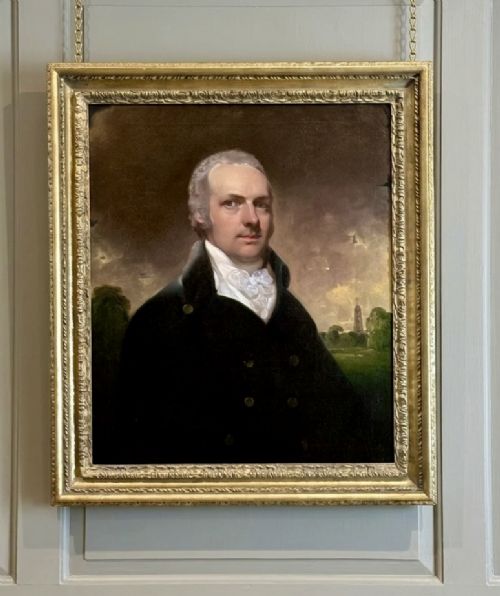
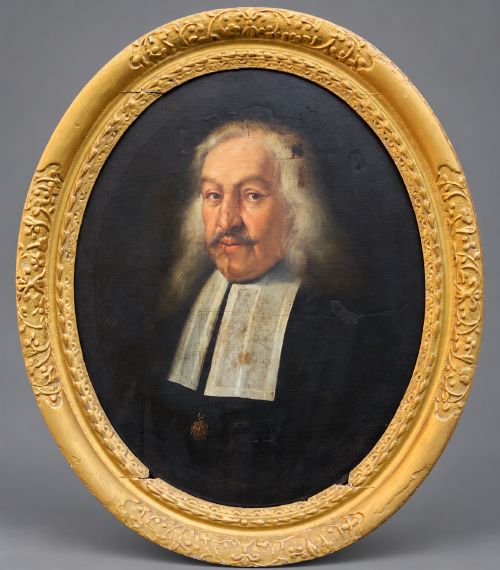
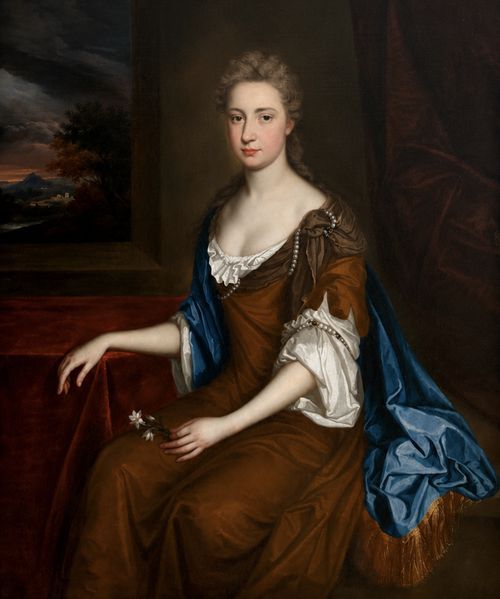
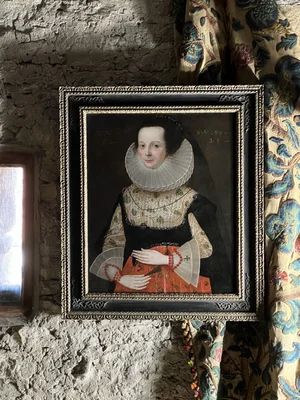
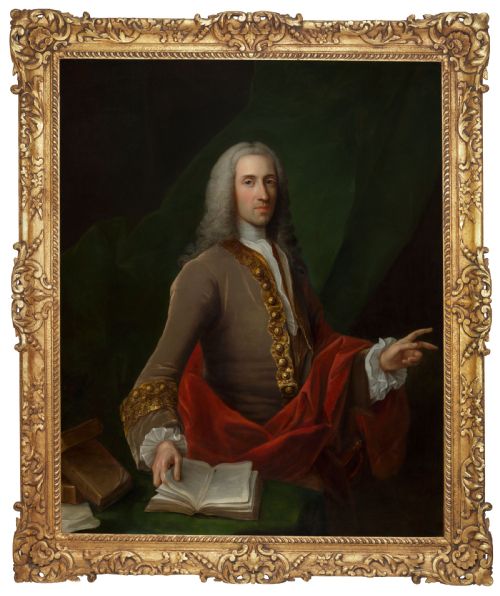
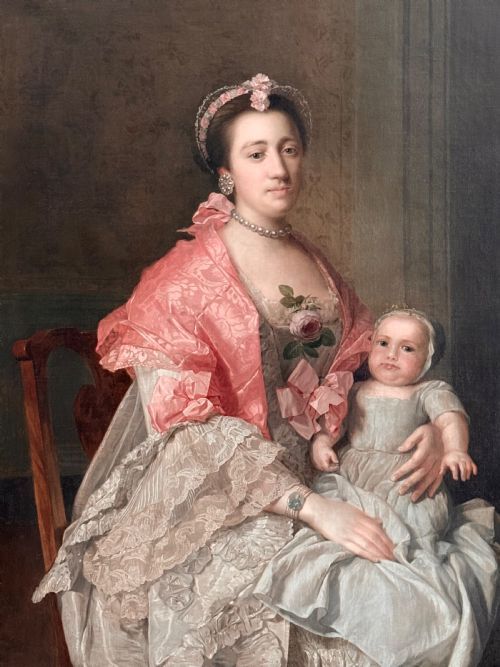
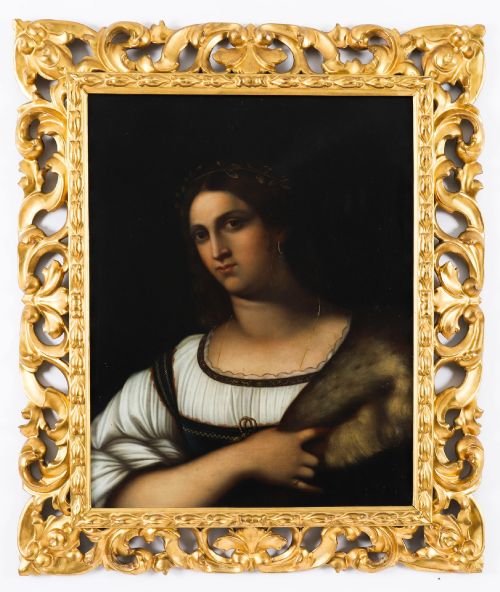
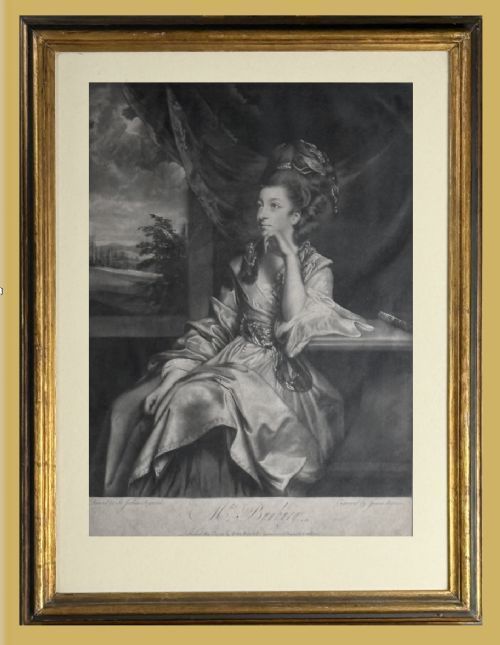
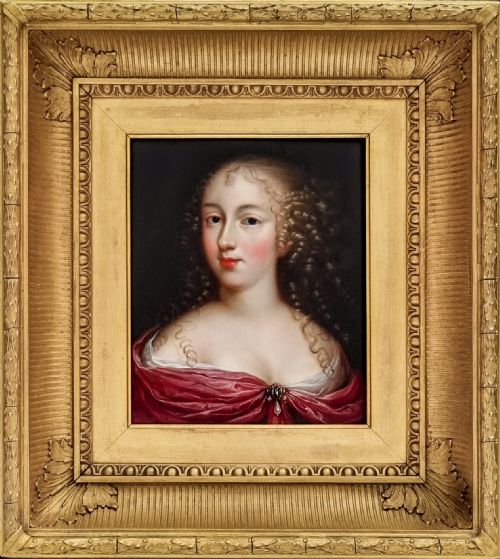
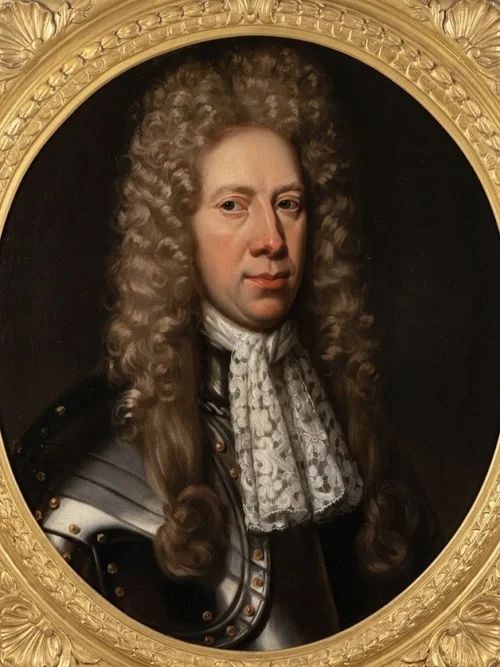
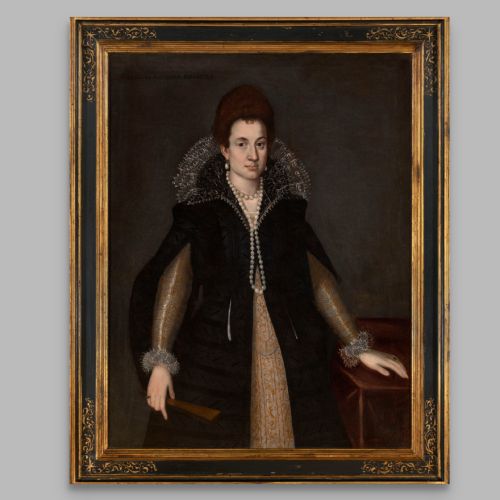
Historic portraiture comprises painted and printed likenesses of named and anonymous subjects spanning the seventeenth, eighteenth, and nineteenth centuries. Buyers encounter oil paintings on canvas and panel alongside watercolours and mezzotint prints.
The selections range from Baroque nobility and Georgian gentlemen to later Victorian figures and twentieth-century personalities. Works originate from British, Dutch, French, German, and Norwegian traditions.
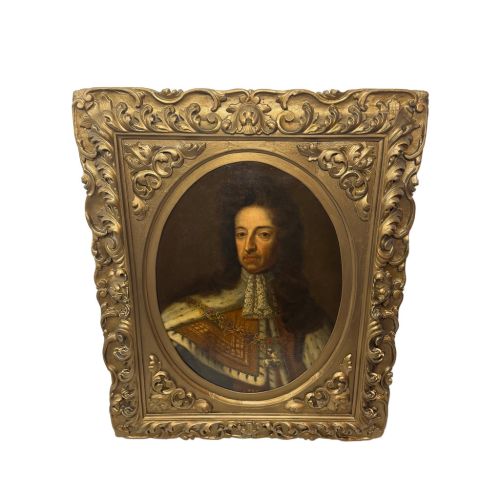
Oil paintings dominate the selection, often housed in period giltwood frames that complement the canvas. Smaller watercolours and print formats also appear among the available works.
How they were made
Artists applied oil paint to stretched canvas or wooden panels, building rich tones and detailed costumes through layered brushwork. Many works rely on prepared grounds before the application of pigments.
Printmakers utilised techniques like mezzotint on paper to reproduce painted likenesses for broader circulation. Frames were constructed from wood and embellished with gold leaf or giltwood mouldings.
Historic Portraiture Retail Price Guide 2026
Typical asking prices for historic portraiture among the pieces listed under this phrase on Sellingantiques today, from the lower quarter to the upper quarter. They describe what is for sale here now, not the wider market.
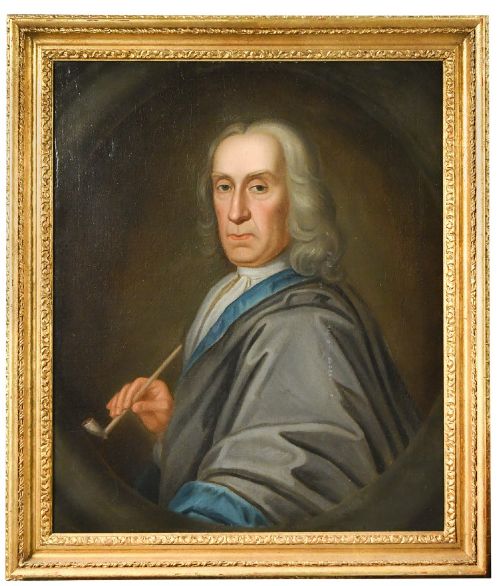
Among the painted gentlemen and nobility, a veterinary surgeon proudly holds a pelican tooth extractor.
What varies in quality
Condition of the pigment surface and the originality of the mounting frame influence overall integrity. Surviving period frames matching the age of the canvas elevate the presentation.
Sir Allan Ramsay·Pierre Mignard·James Watson·Sir Joshua Reynolds·Jeremiah Davison·John Scougall·Pietro Fachetti·Joseph Highmore·John Greenhill·Rembrandt·Richard Cosway·Eugen Rosenfeld·Francis Alleyne·Rudolph Lehmann·Sir Peter Lely·John Raphael Smith·Daniel Mytens·Lemuel Francis Abbott·John E Fernley
The Historic Portraiture Glossary
- Mezzotint
- A printmaking process where the copper plate is roughened to achieve rich dark tones and subtle tonal gradations. This technique allowed eighteenth-century printmakers to faithfully translate painted portraits onto paper.
- Panel painting
- An artwork executed on a flat piece of wood rather than canvas. Wooden supports were common in earlier centuries before canvas became the dominant medium.
- Giltwood
- Wood carved and covered with a thin layer of gold leaf or metallic powder. It provides the ornate, reflective borders typical of historic picture frames.
- Circle of
- A designation used when an artist worked closely within the immediate sphere of a known master, adopting similar techniques without being a direct pupil.
- Attributed to
- A term applied when an expert considers a specific maker the most probable creator based on stylistic evidence, though absolute documentation remains absent.
Historic Portraiture: Frequently Asked Questions
How do I identify the period of a portrait?
Examine the sitter's costume, hairstyle, and the framing style, which often reflect the prevailing fashions of the execution date. Canvas preparation and wooden panel construction also offer clues to the age of the piece.
Compare the painting technique and signature styles with documented works from specific centuries found in historical records.
What is the difference between an oil painting and a mezzotint?
An oil painting is a unique, hand-painted artwork created with pigmented oils on canvas or wood. A mezzotint is an engraved print on paper that reproduces an image through tonal ink manipulation.
Original paintings contain textured brushstrokes, whereas prints display inked patterns under close magnification.
Where should I hang historic portraits at home?
Display portraits on walls away from direct sunlight and excessive humidity to protect the delicate oil pigments and paper surfaces. Stable indoor temperatures prevent warping in wooden panels and canvas tension loss.
Pair frames with traditional room settings to complement the period aesthetic of the artwork.
What does attribution to a circle mean?
Attribution to a circle indicates that an anonymous artist produced the work while working near a recognised master. These pieces share stylistic similarities and workshop practices with the named painter.
This classification helps contextualize the artistic environment without confirming direct authorship by the master.