



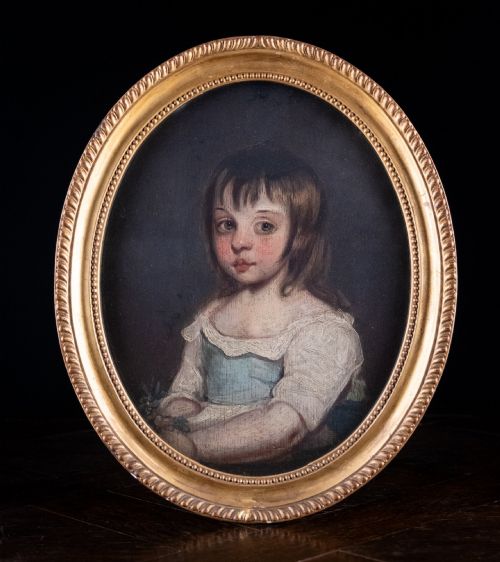
Historic Painting
When choosing a historic painting, you select centuries of human likeness and landscape rendered in oil and pigment to anchor a room.
Historic Painting
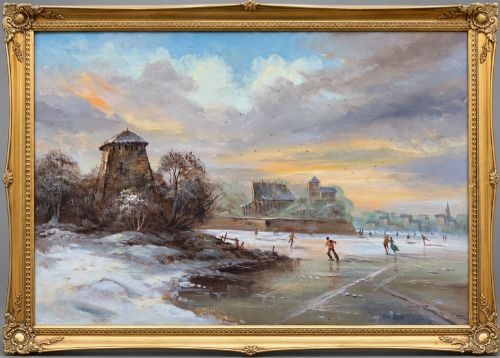
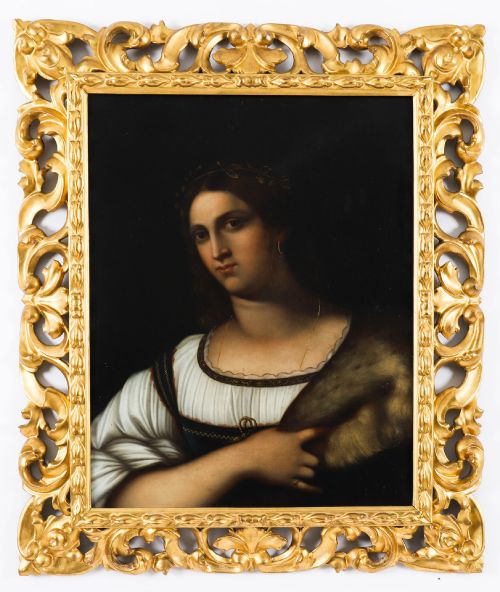
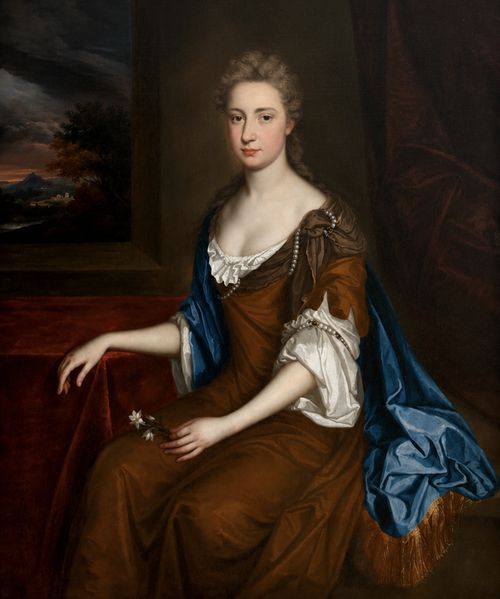
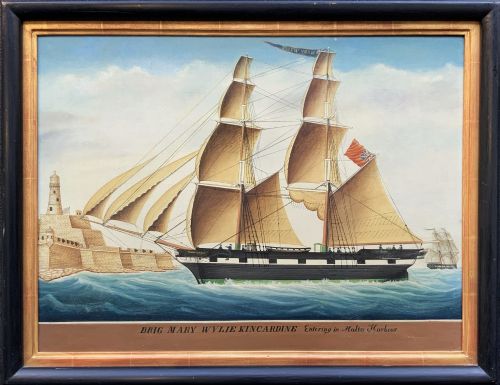
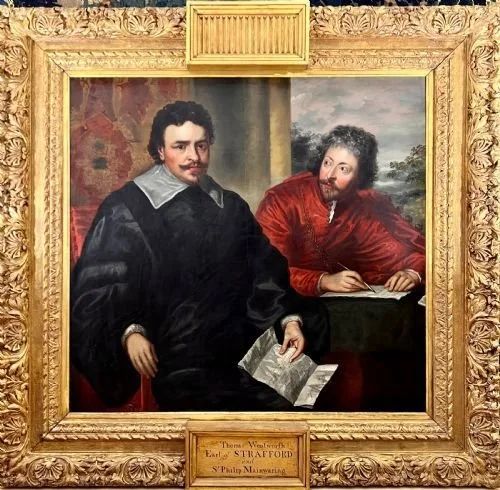
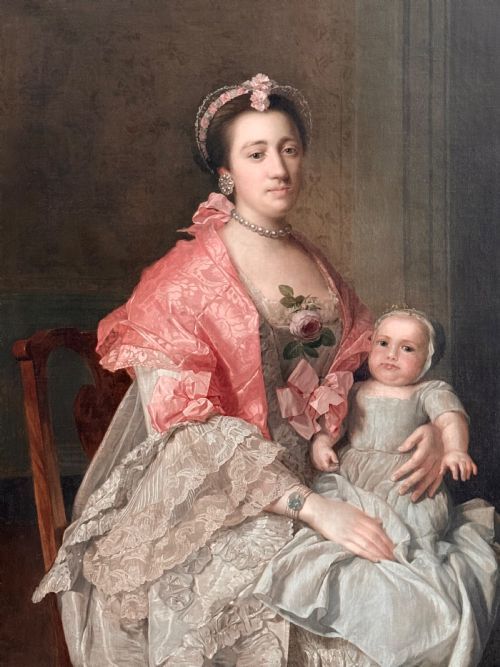
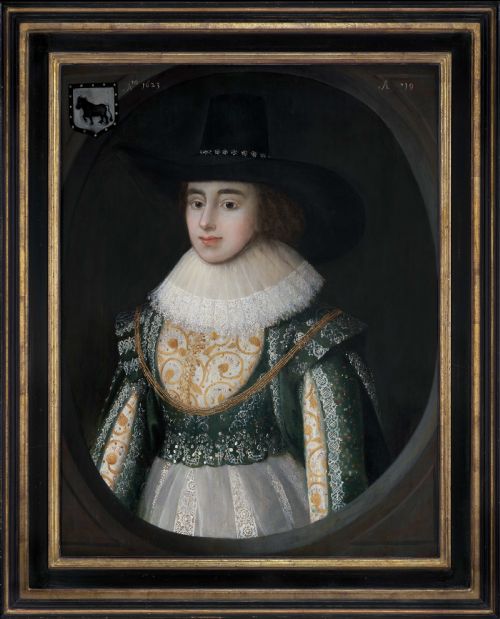
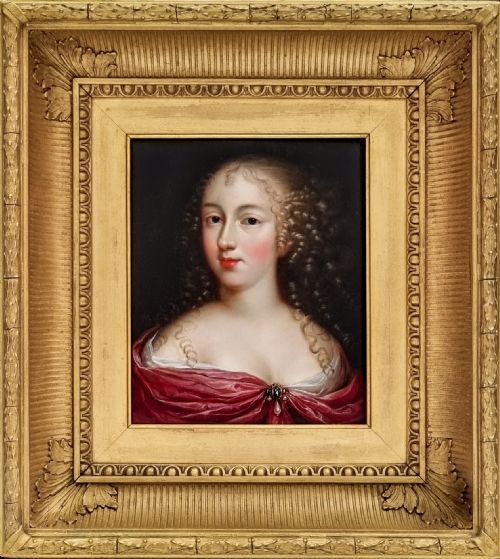
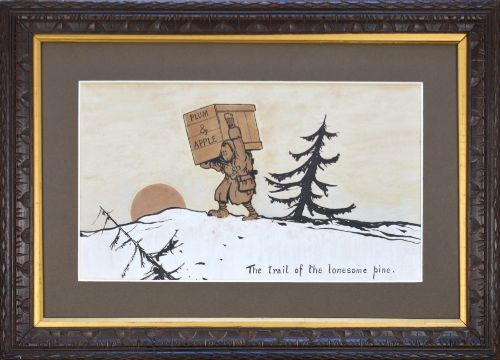
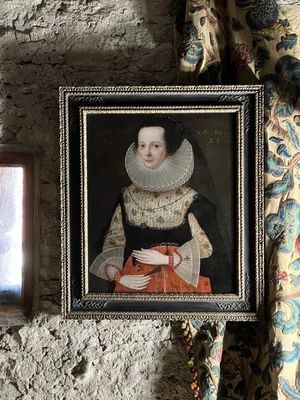
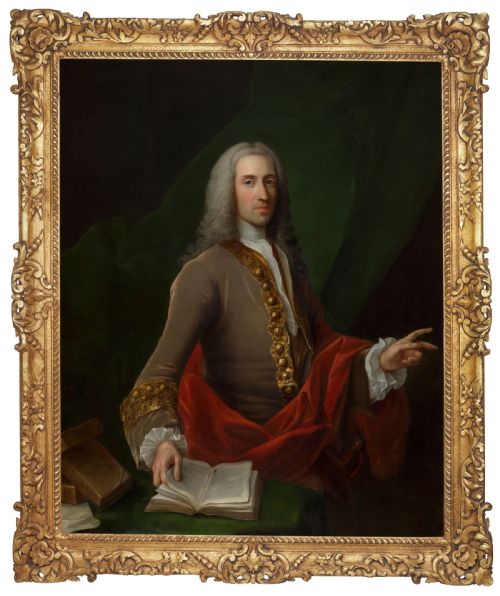
A historic painting encompasses oil works, watercolours and portrait miniatures spanning from the seventeenth century through the twentieth century. These pieces record identifiable sitters, maritime engagements, winter landscapes and architectural studies across British and European schools.
The versions most frequently met on this page are oil paintings on canvas or wood panel, alongside works on paper and card. Portraiture dominates the selection, accompanied by marine scenes and topographical views.
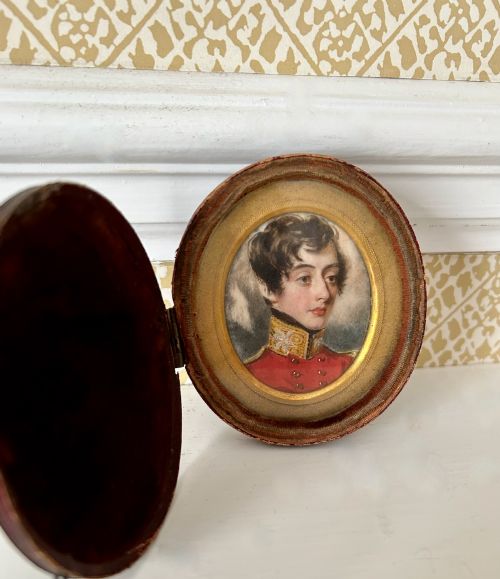
Originating from British, French, Dutch and Italian hands, these works range from grand aristocratic portraiture to intimate depictions of country figures and military officers.
Materials and Technique
Artists employed oil paint applied to prepared canvas or sturdy wood panels, often utilising rich pigments bound in linseed or other oils. Canvases were stretched over wooden frames, while earlier panels frequently consisted of oak or other dense timbers.
Gold leaf and giltwood appeared regularly on the heavy frames that enclosed these works, adding a reflective boundary to the composition. Watercolour and bodycolour on paper served for lighter landscape studies and detailed miniatures.
Listings feature works across the seventeenth, eighteenth and nineteenth centuries, executed in oil on canvas, oil on panel, and watercolour.
Gradations in Quality
The distinction between upper and lower tiers rests upon the sureness of the brushwork and the anatomical accuracy of the figures depicted. Masterful handling of light, shadow and fabric texture elevates a portrait above routine studio output.
Condition and originality play a defining role, distinguishing untouched surfaces from heavily restored compositions. The presence of contemporary frames matching the period of the canvas further alters the standing of a piece.
Trajan Hughes·Sir Allan Ramsay·Cornelius Johnson·Pierre Mignard·Sir William Beechey·Jeremiah Davison·Mary Beale·Sir Joshua Reynolds·Edouard Pingret·Pietro Fachetti·Bernard Gribble·David Roberts·Ernest Arthur Rowe·Stephen Pearce·Pieter Borseler·Charles Euphraisie Kuasseg·Henri and Charles Beaubrun
The Historic Painting Glossary
- Oil on Canvas
- Pigment mixed with drying oil applied to a woven fabric support stretched on a wooden frame. This technique allowed artists to build rich layers of colour and texture over time.
- Oil on Panel
- Pigment applied directly to a rigid wooden board, commonly oak in earlier centuries. Panels provide a smooth, stable ground that frequently preserves fine detail better than woven fabric.
- Portrait Miniature
- A small, highly detailed likeness painted on vellum, card or ivory, often housed in a protective case. These intimate works were designed to be carried or worn close to the body.
- Giltwood
- Wood carved and coated with a thin layer of gold leaf or metallic powder. This material formed the ornate frames that accompanied important paintings of the seventeenth and eighteenth centuries.
- Old Master
- An artist of high skill working in Europe before about eighteen hundred. The term also designates a painting produced by such a hand.
Historic Painting: Frequently Asked Questions
How do I date a historic painting?
Dating relies on costume details, hairstyles, stretcher construction and any visible signatures or inscriptions on the reverse. Examining the pigment types and canvas weave provides further chronological markers.
Comparison with documented works by the same school or artist helps narrow the window of creation. Expert analysis of the wood panel or lining canvas confirms the era of production.
Where should I hang an old oil painting?
Choose an interior wall away from direct sunlight and strong heat sources such as radiators. Stable humidity prevents the canvas from slackening and protects the wooden panel from warping.
Ensure the wall fixings match the weight of the heavy gilt frame. Proper lighting from an art lamp brings out the depth of the dark glazes without generating damaging heat.
What is the difference between an oil on canvas and a panel painting?
Canvas relies on a flexible woven textile stretched over a wooden frame, which yields slightly to the touch. Panel paintings use a rigid wooden board, offering a completely firm surface for the brush.
Panels frequently appear in earlier centuries, while canvas became the dominant support from the seventeenth century onward due to its portability and scale.
How do I care for a framed antique painting?
Dust the frame gently with a soft, dry brush and avoid chemical cleaning sprays entirely. Keep the surface away from moisture and sudden temperature shifts.
Inspect the backboards and fixings periodically to ensure the canvas or panel remains secure within the frame. Professional conservation should be sought for any flaking pigment.