



Historic Oval Artwork
Historic oval artwork brings centuries of portraiture into modern rooms, offering intimate glimpses of past lives through framed oil paintings, miniatures, and drawings.
Historic Oval Artwork
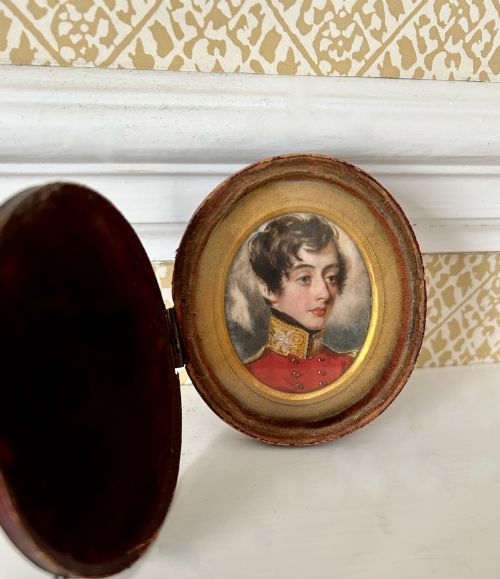
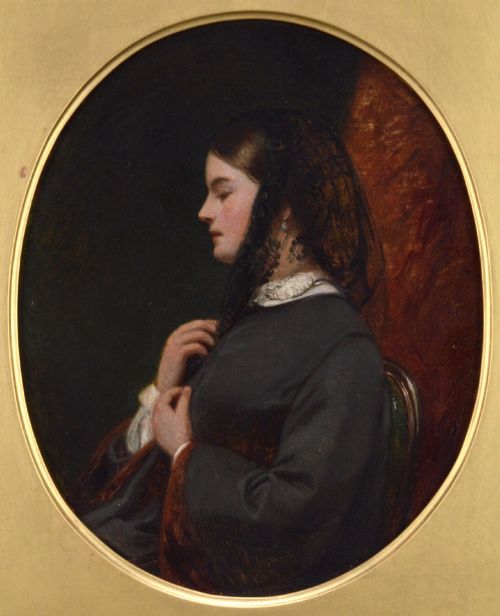
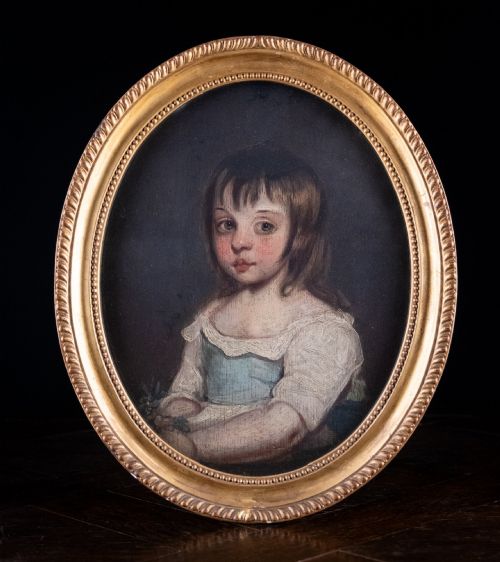
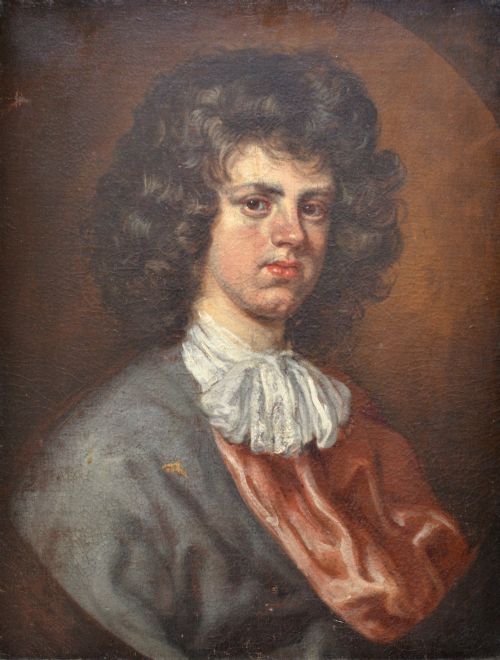
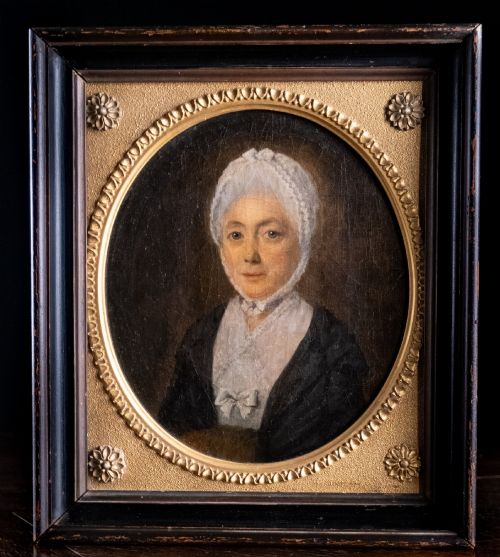
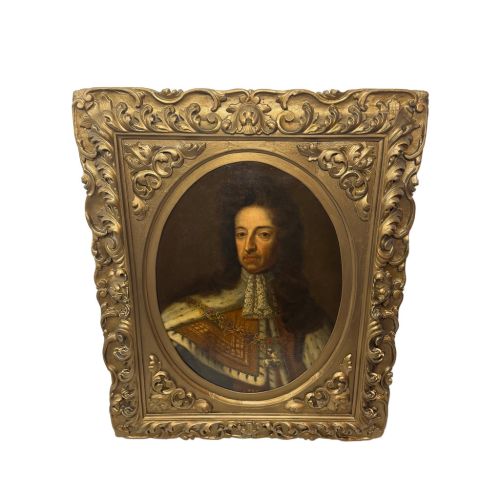
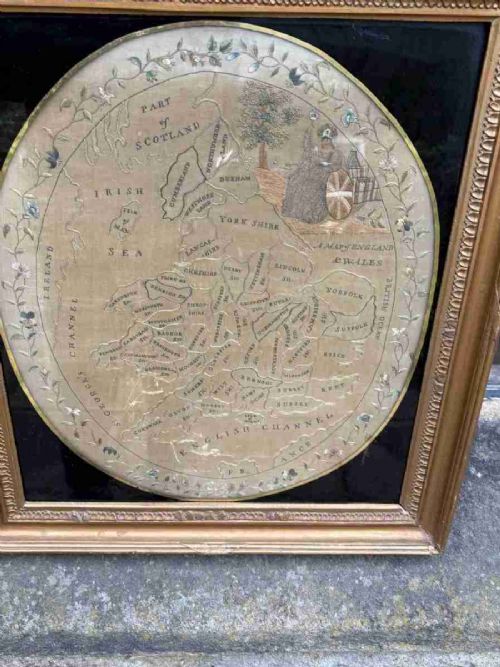
Historic oval artwork centres on framed portraiture spanning the seventeenth, eighteenth, and nineteenth centuries, taking the form of oil paintings, portrait miniatures, and drawings. These pieces capture subjects ranging from military officers and country girls to named figures like King William III.
You are most likely to meet eighteenth-century and nineteenth-century oil paintings on canvas alongside smaller portrait miniatures and silhouettes. The curved format naturally draws the eye inward towards the sitter's face, creating a distinct visual focus compared to rectangular frames.
Materials and construction
Makers applied oil paint onto canvas or worked with plumbago and graphite on paper, often framing the completed pieces in carved giltwood and wood. Glass protected delicate works like miniatures and silhouettes, while brass hardware secured the backing.
The construction relies on shaping wooden supports to fit the distinct curved profile before stretching canvas or mounting paper. Giltwood frames were meticulously carved to complement the rounded edges of the artwork within.
Historic Oval Artwork Retail Price Guide 2026
Typical asking prices for historic oval artwork among the pieces listed under this phrase on Sellingantiques today, from the lower quarter to the upper quarter. They describe what is for sale here now, not the wider market.
King William III occasionally glowers from an eighteenth-century canvas, reminding everyone that seventeenth-century monarchs had zero patience for sloppy brushwork.
Assessing quality
Quality rests upon the precision of the brushwork and the psychological depth captured in the sitter's expression, separating competent studio pieces from masterworks. The handling of light on fabric and skin reveals the hand of circles influenced by prominent portraitists.
The integrity of the original frame and the preservation of the painted surface dictate the standing of a piece. Finer works retain their original giltwood surrounds and undisturbed pigment layers, showing minimal intervention over centuries.
Mary Beale·Pieter Borseler·John Taylor
The Historic Oval Artwork Glossary
- Plumbago
- A drawing executed in graphite or black lead, named after the Latin word for lead ore. These detailed monochrome works gained popularity for portraiture during the Georgian period.
- Portrait Miniature
- A small, highly detailed painting, usually executed on vellum, copper, or card. These intimate works were often created to be carried or worn as personal tokens.
- Giltwood
- Wood that has been coated with a thin layer of gold leaf or gold paint. This finish was widely applied to ornate frames surrounding historic paintings.
- Silhouette
- A portrait represented as a solid shape of a single colour, usually black, set against a pale background. The profile outline gained widespread favour during the eighteenth and nineteenth centuries.
Historic Oval Artwork: Frequently Asked Questions
What is plumbago in portraiture?
Plumbago refers to fine graphite drawings produced during the seventeenth and eighteenth centuries. Artists used this medium to achieve remarkable detail in monochrome.
These works require careful framing behind glass to protect the delicate graphite marks on paper from moisture and handling.
How do I identify a Georgian oval portrait?
Georgian portraits typically feature specific clothing styles, hairstyles, and framing techniques characteristic of the eighteenth century. Oil on canvas and plumbago drawings on paper are common formats from this era.
Examining the reverse of the stretcher or frame often reveals period construction methods, such as handmade nails and aged wood patination.
Were silhouettes popular in the nineteenth century?
Silhouettes enjoyed widespread popularity throughout the nineteenth century as an accessible form of portraiture. They recorded the exact facial profile of the sitter in solid black against a contrasting ground.
These pieces were frequently housed in small wooden or brass frames designed to protect the delicate paper surface.