




Historic Figure Portrait
A historic figure portrait captures notable historical personages in oil, bronze, paper, and canvas, offering tangible links to past lives and eras.
Historic Figure Portrait
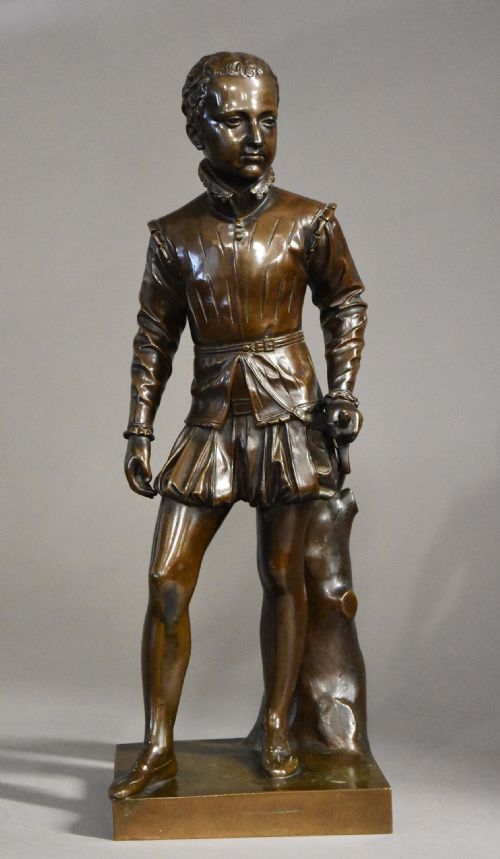
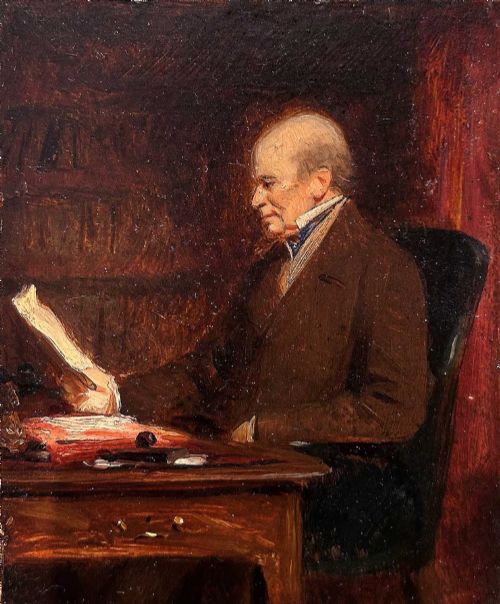
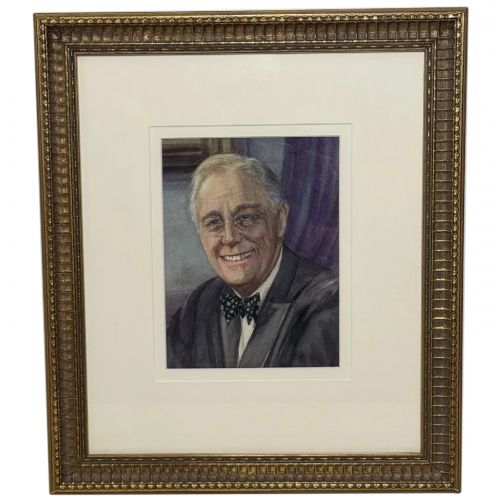
A historic figure portrait represents known historical individuals, royalty, writers, poets, and statesmen across various centuries. These works take the form of oil paintings, framed prints, watercolours, and bronze sculptures.
The selections span from 17th-century interpretations and Georgian works to Victorian bronzes and mid-century realism. Buyers frequently encounter framed portraits and sculptural depictions of monarchs, authors, and political figures.
Makers and subjects bridge distinct eras, connecting the viewer to historical figures such as Henry IV, Lord Byron, and Benjamin Jonson. Each object records the likeness of a notable personage using the artistic conventions of its respective period.
What varies in quality
The standard of execution in a historic figure portrait depends on the precision of the likeness and the deftness of the brushwork or metal casting. Finer pieces demonstrate superior anatomical understanding and psychological depth in the subject's expression.
The material integrity of the frame, canvas, or bronze casting significantly influences the overall character of the piece. Superior examples retain their original surface patination, clear signatures or foundry stamps, and undamaged structural supports.
Historic Figure Portrait Retail Price Guide 2026
Typical asking prices for historic figure portrait among the pieces listed under this phrase on Sellingantiques today, from the lower quarter to the upper quarter. They describe what is for sale here now, not the wider market.
The listings span from the 17th century through the Victorian era up to the mid-20th century.
Stephen Pearce·Sir Joshua Reynolds·Bartolomeo Schedoni·Ernest-Eugène Hiolle·Rudolph Lehmann·Henry Edridge
The Historic Figure Portrait Glossary
- Mezzotint
- A printmaking process of the intaglio family where the image is scraped and burnished upon a roughened copper plate. This technique allows for rich gradations of light and shade.
- Pat patina
- The chemical colouring or oxidation developed on the surface of bronze over time or through artificial treatment. It enhances the visual depth of sculptural details.
- Giltwood
- Wood that has been coated with a thin layer of gold leaf or gesso and gold paint. It is commonly found on frames housing 18th and 19th-century canvases.
- Realism
- An artistic movement focused on the accurate, unvarnished depiction of subjects as they appear in everyday life. Mid-century examples apply this approach to historical representation.
- Baroque
- A European style spanning the 17th and 18th centuries characterised by dramatic use of light, intense emotion, and dynamic movement. Paintings from this period emphasise strong theatrical presence.
Historic Figure Portrait: Frequently Asked Questions
What is a historic figure portrait?
A historic figure portrait depicts a recognised person from history, such as a monarch, poet, or statesman, rendered in media like oil, watercolour, or bronze.
These artworks serve as both visual art and historical records, preserving the likeness and legacy of notable individuals.
How do I display these portraits?
Display painted and framed portraiture on stable interior walls away from direct sunlight to protect pigments and paper from fading.
Bronze sculptures benefit from sturdy mantelpieces or dedicated pedestals where the patination and casting details can be clearly observed.
How can I tell the period?
Dating relies on stylistic clues, framing techniques, and material composition characteristic of eras like the Victorian period or the 18th century.
Signatures, foundry marks, and inscriptions regarding the sitter also provide direct evidence of when the piece was produced.
Were these made as studies?
Some works function as preliminary studies or preparatory sketches for larger finished paintings or public monuments.
Artists like Stephen Pearce created these smaller painted studies to capture likenesses before executing final portrait commissions.