

Historic Canvas Artwork
Historic canvas artwork gathers centuries of painted portraiture and maritime scenes, offering collectors a direct link to past eras through oil and pigment.
Historic Canvas Artwork
Historic canvas artwork comprises oil paintings produced across the seventeenth, eighteenth, and nineteenth centuries, alongside select twentieth-century compositions. These works span distinct genres, encompassing formal portraiture, military subjects, and maritime scenes.
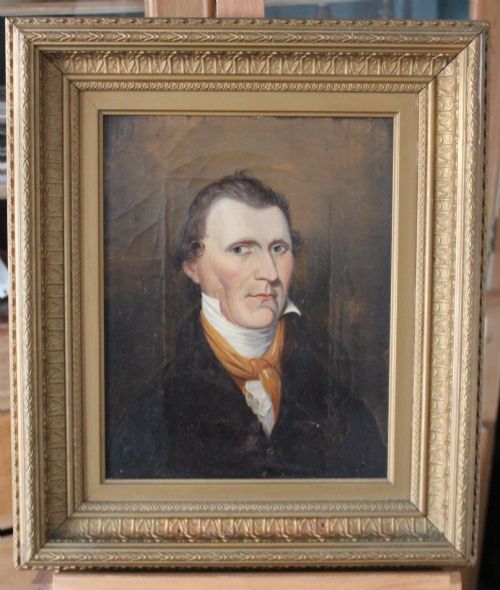
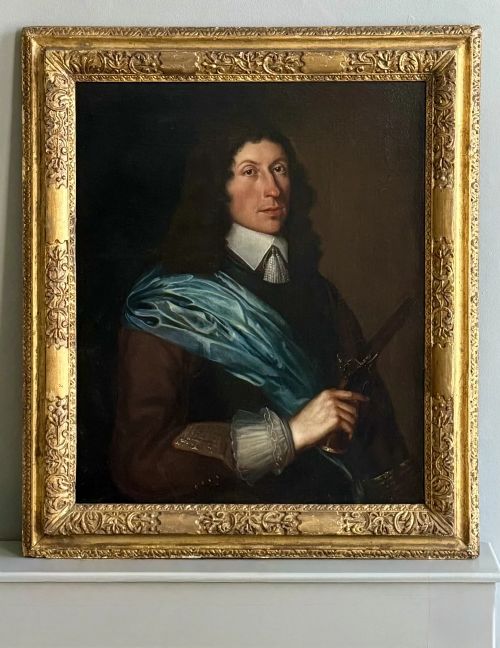
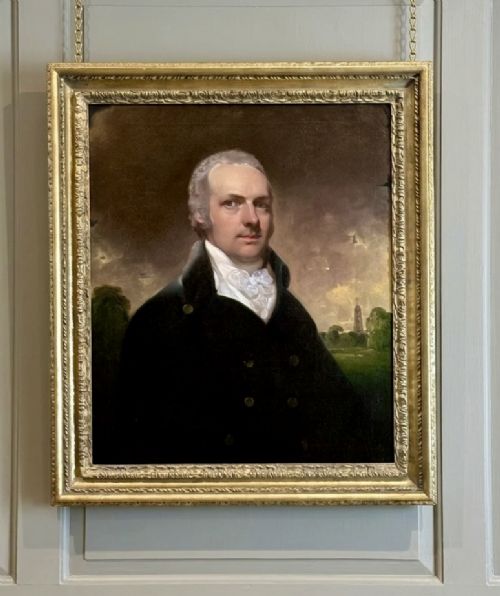
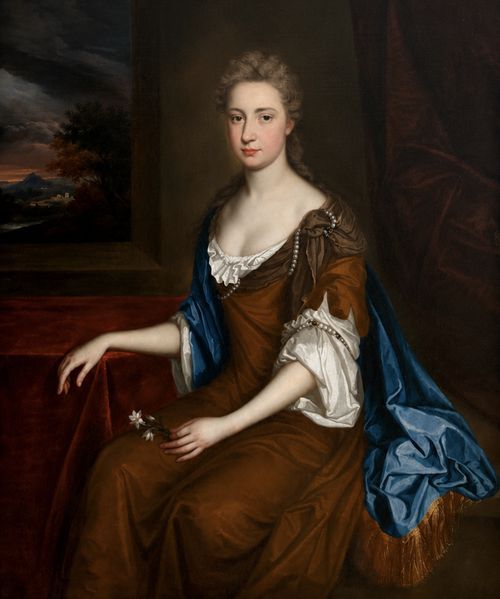
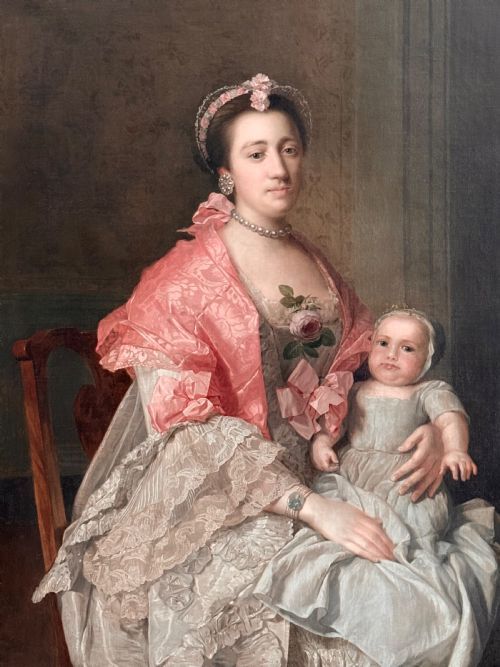
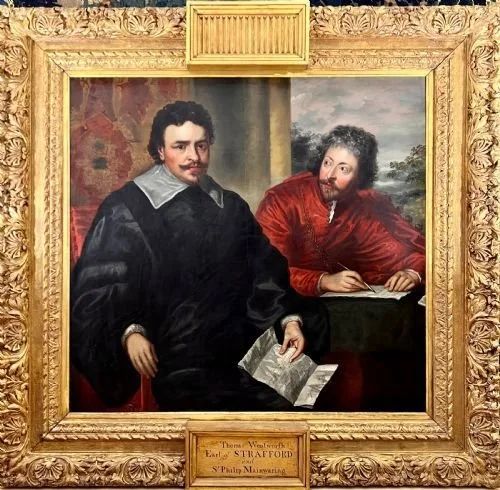
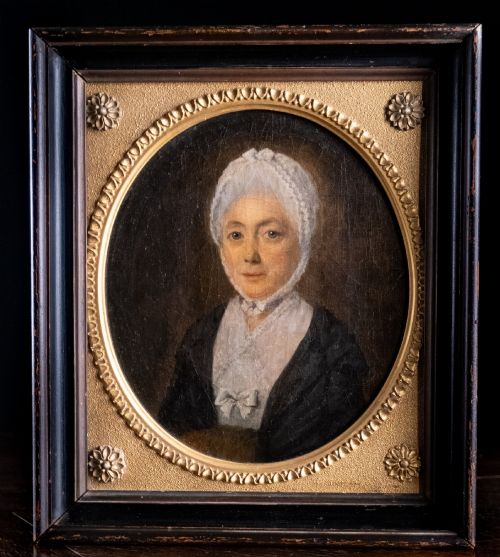
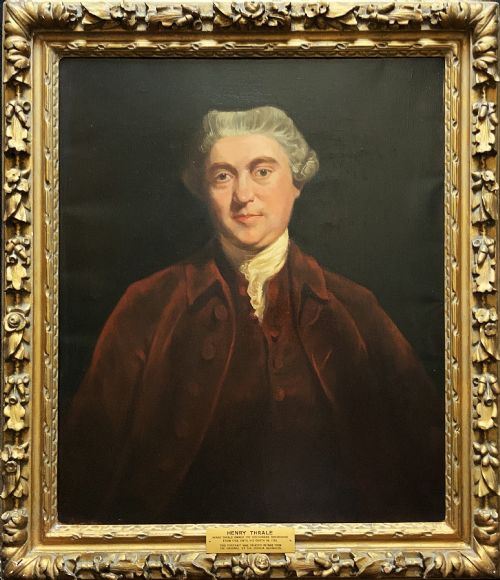
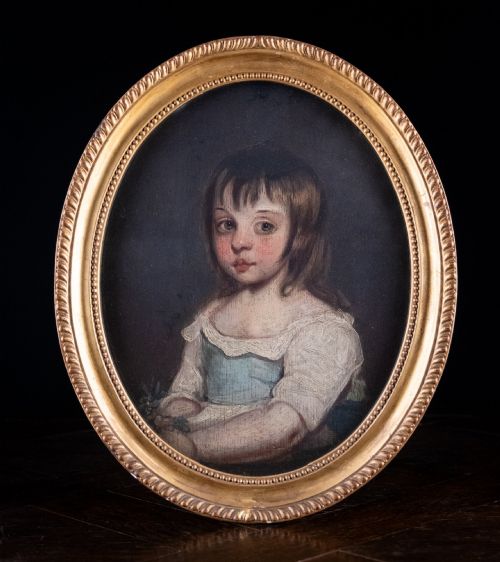
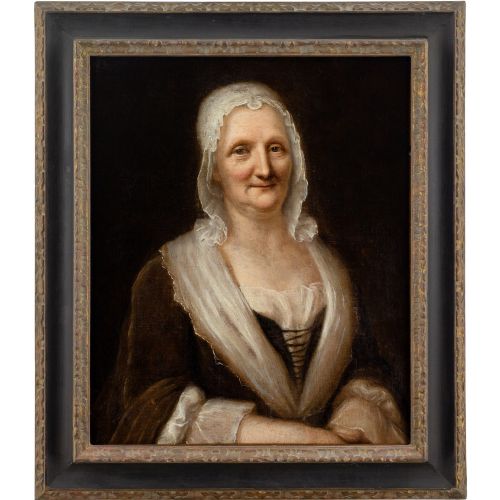
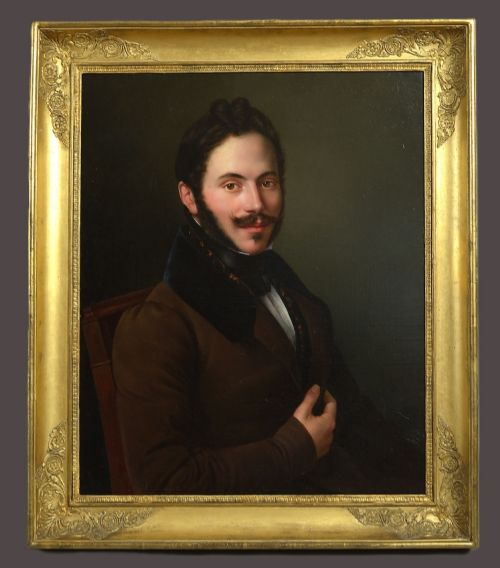
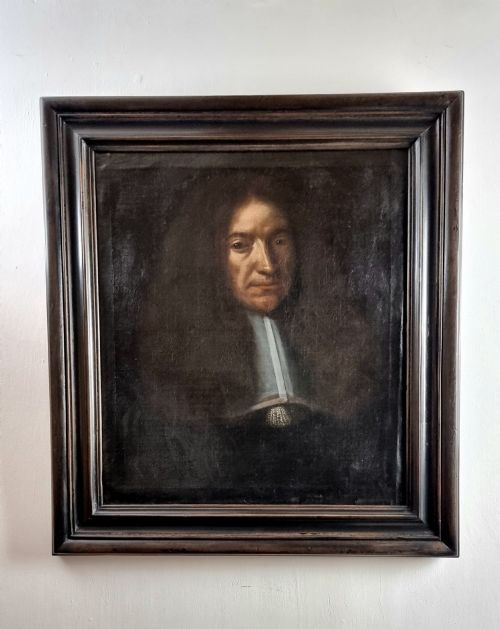
The selections encountered most frequently on this page are eighteenth and nineteenth-century oil portraits on canvas. Such pieces often depict specific sitters, ranging from nobility to country gentlemen, executed by regional schools or named practitioners.
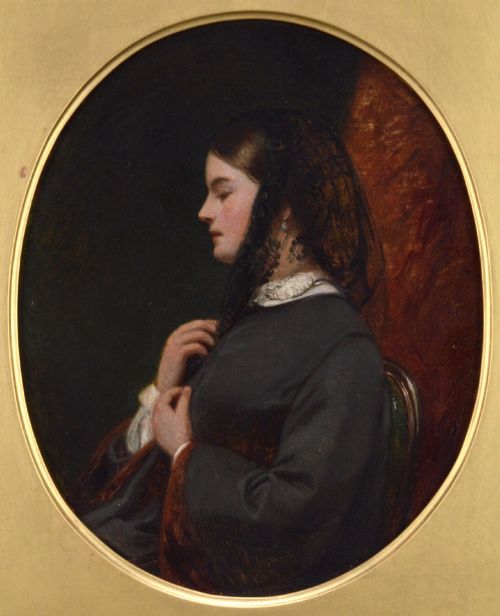
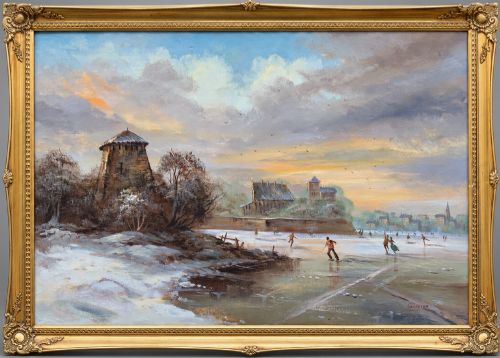
Beyond individual portraits, collectors frequently encounter narrative genre scenes and coastal vessels rendered in traditional oil techniques. These surviving works preserve historical dress, naval architecture, and period interior aesthetics within the fabric of the weave.
Materials and Method
The physical foundation relies upon woven textile supports, predominantly canvas, stretched across wooden frames to receive layers of oil paint. Artisans applied ground layers before building up pigment to achieve depth and luminosity in clothing, skin tones, and background shadows.
Many surviving pieces retain their original or period timber frames, frequently enhanced with giltwood or gold leaf enrichment. The interaction between the oil medium and the textile substrate determines the surface crackle, known as craquelure, which develops naturally over long periods.
Historic Canvas Artwork Retail Price Guide 2026
Typical asking prices for historic canvas artwork among the pieces listed under this phrase on Sellingantiques today, from the lower quarter to the upper quarter. They describe what is for sale here now, not the wider market.
Several portraits capture stern judges, military officers wearing the Order of St. Louis, and gentlemen playing bowls, proving ancestors enjoyed leisure just as much as formal business.
Assessing Visual Merit
Quality in these paintings rests upon the dexterity of the brushwork and the psychological depth captured in the sitter's expression. Finer examples display meticulous attention to lace collars, fabric textures, and facial anatomy rather than stiff, formulaic rendering.
The condition of the pigment layer and the degree of original surface preservation heavily influence the standing of a piece. Works retaining undisturbed glazes and minimal later restoration demonstrate superior integrity compared to heavily repainted surfaces.
Sir Allan Ramsay·Edouard Pingret·John Greenhill·Frank Moss Bennett
The Historic Canvas Artwork Glossary
- Oil on Canvas
- A painting technique where pigmented oil paint is applied to a stretched woven fabric support. This combination allows for rich blending of colours and lasting durability.
- Giltwood
- Timber carved and surfaced with a thin layer of gold leaf or metallic powder. It provides ornamental framing for historic paintings.
- Craquelure
- The fine network of tiny cracks appearing across the surface of an aged oil painting. It forms naturally as the paint film hardens over centuries.
- Portraiture
- The artistic representation of a specific human subject, focusing on the face and expression. It constitutes a major category within historic canvas works.
- Baroque
- An artistic style spanning the seventeenth and early eighteenth centuries, characterised by drama, deep shadow, and rich movement. Works in this style employ strong contrasts between light and dark.
Historic Canvas Artwork: Frequently Asked Questions
How do I date a historic canvas painting?
Dating relies on stylistic clues such as the sitter's costume, wig style, and lettering within any inscriptions. Frame construction and the physical characteristics of the canvas weave also provide reliable chronological markers.
Examinations under specialised lighting can reveal hidden signatures, dates, or historical labels affixed to the stretcher bars. Comparing the brushwork to known examples by documented regional schools helps narrow the period further.
Where should I hang these oil paintings?
These works require stable interior environments away from direct sunlight and excessive humidity. Maintaining moderate room temperatures prevents warping in the wooden stretchers and cracking in the oil pigment.
Avoid positioning them above active fireplaces or on damp exterior walls. Proper placement ensures the canvas textile and the surrounding giltwood frame endure without accelerated deterioration.
What is a maritime ship portrait?
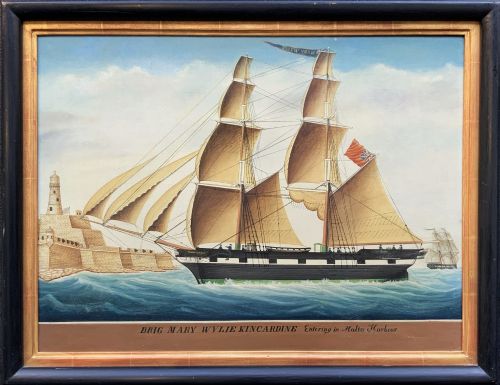
A maritime ship portrait is a specialised painting commissioned to record a specific vessel with topographical accuracy. These works frequently depict named ships navigating coastal waters or entering foreign ports.
Owners valued them as accurate records of commercial enterprise or naval achievement. Artists paid close attention to rigging details, flag displays, and prevailing weather conditions.
How do I distinguish a portrait copy from an original?
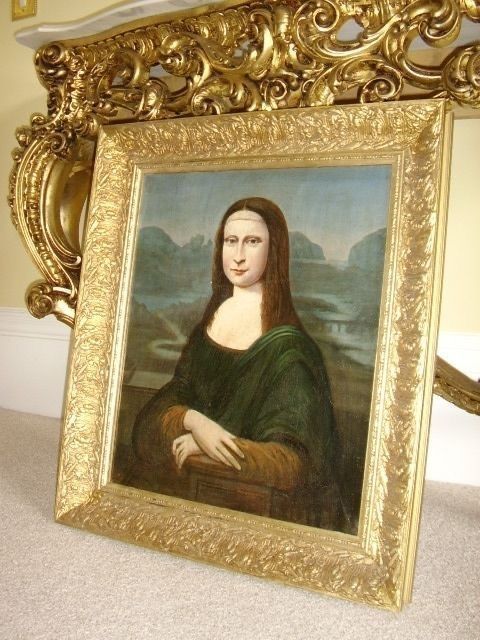
Original period portraits typically display spontaneous brushwork and contemporary pigment mixtures appropriate to the stated era. Copies made after famous masters often exhibit hesitation in the line and modern chemical composition under analysis.
Provenance documentation and stretcher examination offer further clues regarding execution dates. Comparing the handling of fabrics and skin tones against verified works clarifies attribution.