

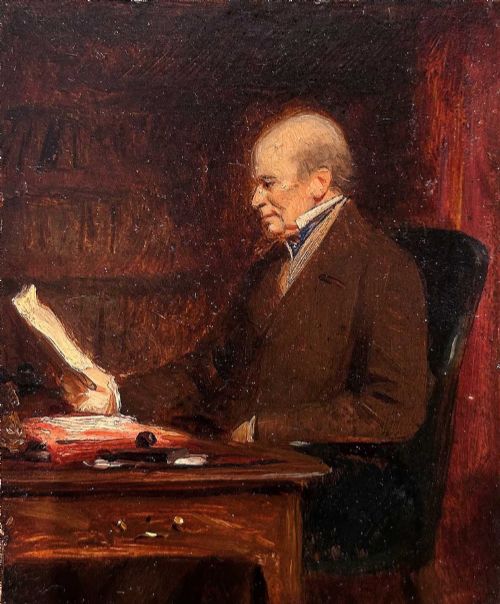


Historic British Portrait
A historic british portrait captures notable figures and sitters in oil on canvas across centuries of craftsmanship.
Historic British Portrait
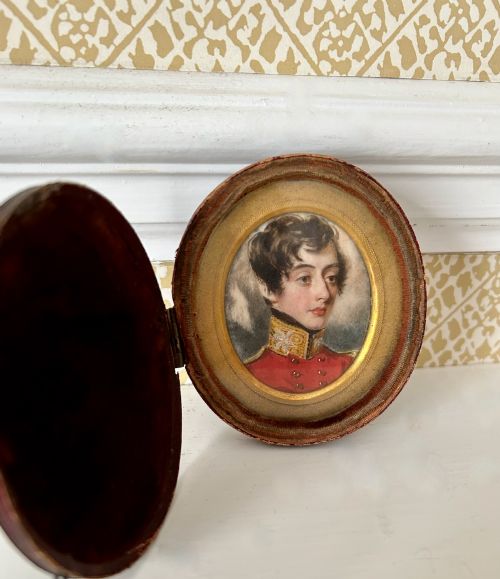
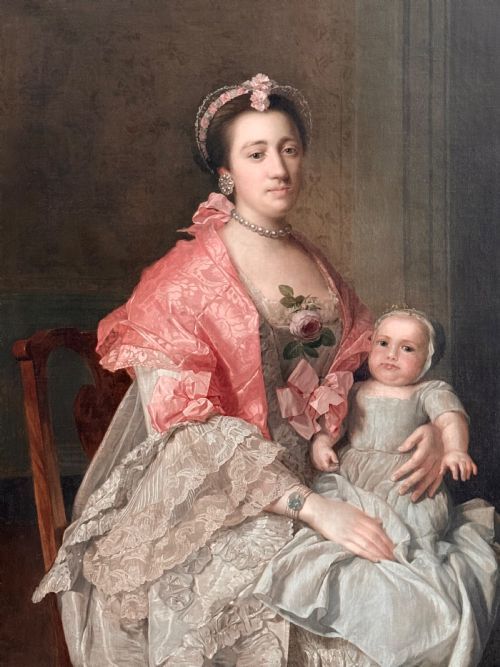
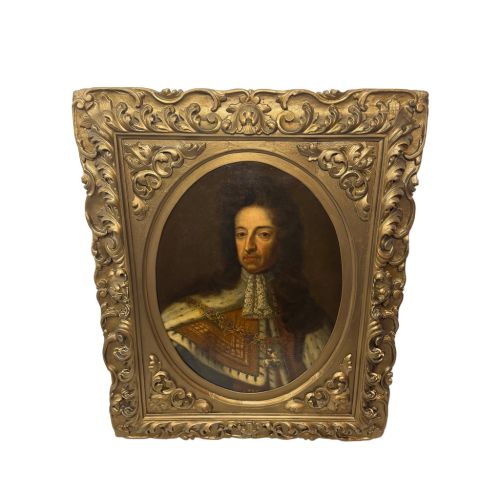
When you search for a historic british portrait, you encounter oil paintings spanning the seventeenth, eighteenth, and nineteenth centuries. These works record gentlemen, ladies, peers, and notable public figures, often painted by identified artists or distinguished schools.
The most frequent pieces on this page are canvas works from the Georgian and Victorian eras, reflecting sitter commissions from specific decades. Subjects range from naval officers and lawyers to politicians and family members.
Compositions vary from intimate half-length studies to detailed maritime and seated portraits. Each piece offers a direct visual link to British society of its period.
How they were made
Painters applied oil paint to stretched canvas or panel supports, building depth through layered pigments and glazes. Many works are housed in period frames finished in gold leaf or giltwood.
Techniques evolved from the structured formality of the seventeenth-century Baroque style towards the looser brushwork of later British schools. Artists prepared their grounds meticulously before executing the likeness of the sitter.
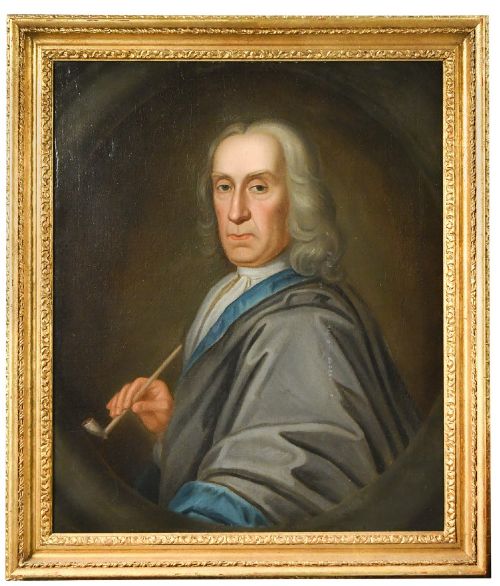
Several sitters bring their pipes and pets to the canvas, proving that historic figures enjoyed casual comforts just as we do.
What varies in quality
The distinction between ordinary and exceptional works lies in the handling of the sitter's expression, hands, and costume details. Master painters achieved a psychological depth and lifelike presence that lesser studio copies or provincial works miss.
The condition of the original paint layer and the authenticity of the associated frame influence the standing of a piece. Works retaining their undisturbed surface texture and contemporary gilding command greater appreciation.
Sir William Beechey·Stephen Pearce·John Greenhill·Joseph Heard·Richard Cosway·Henry William Pickersgill·William Robinson·Robert Byng·Rudolph Lehmann·Sir Peter Lely·Sir James Guthrie·John Bettes the Elder·George Francis Joseph·Henry Edridge·John Raphael Smith·Lemuel Francis Abbott
The Historic British Portrait Glossary
- Oil on canvas
- A painting technique where pigments suspended in drying oils are applied to a woven fabric support. This method became the standard medium for fine portraiture.
- Giltwood
- Wood carved and covered with a thin layer of gold leaf or metal powder. It forms the decorative surface of many traditional frames.
- British School
- A designation used when a work originates from a British artist whose specific identity remains unrecorded. It groups stylistic traditions rather than a single maker.
- Half-length
- A portrait composition showing the sitter from the waist or hips upwards. This format allows the inclusion of hands and props while maintaining focus on the face.
- Baroque
- An artistic style characterised by drama, rich colour, and deep shadow. It influenced seventeenth-century portraiture across Britain.
Historic British Portrait: Frequently Asked Questions
How do I identify the sitter?
Sitters are frequently identified through inscriptions on the canvas, stretcher, or accompanying documentation. Research into family crests, dress, and biographical records often confirms the identity.
Unidentified sitters are typically catalogued as gentlemen or ladies of a specific century or school. Contemporary records and exhibition histories provide further clues.
How should I hang an oil portrait?
Hang oil paintings away from direct sunlight and fluctuating heat sources to protect the canvas and paint layers. Stable indoor environments prevent warping of the wooden stretcher.
Ensure the wall fixings are adequate for the combined weight of the canvas and heavy giltwood frame. Professional installation safeguards the structure.
What does circle of mean?
The term circle of indicates an artist who worked closely with a named master, often in the same workshop or under direct influence. These pieces share stylistic traits and techniques with the principal master.
Such attribution highlights the high standard of execution associated with a prominent studio. It connects the work to a known artistic milieu without claiming direct authorship.
How do I date an antique portrait?
Dating relies on the sitter's costume, hair styling, and accessories, which followed strict fashions of their decade. Documentation and artist lifespan dates narrow the timeframe further.
Canvas preparation, stretcher construction, and framing styles offer physical evidence of the period. Pigment analysis can also support these stylistic indicators.