
Historic Artwork
Historic artwork brings centuries of portraiture, maritime scenes and classical subjects into contemporary rooms through oil paintings, watercolours and prints.
Historic Artwork
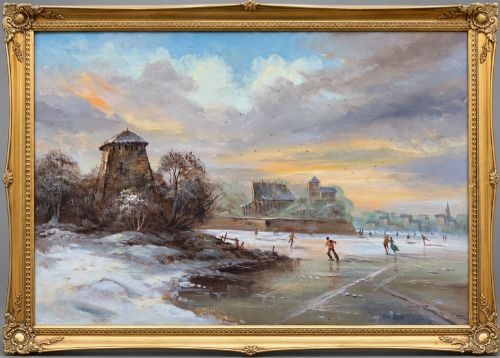
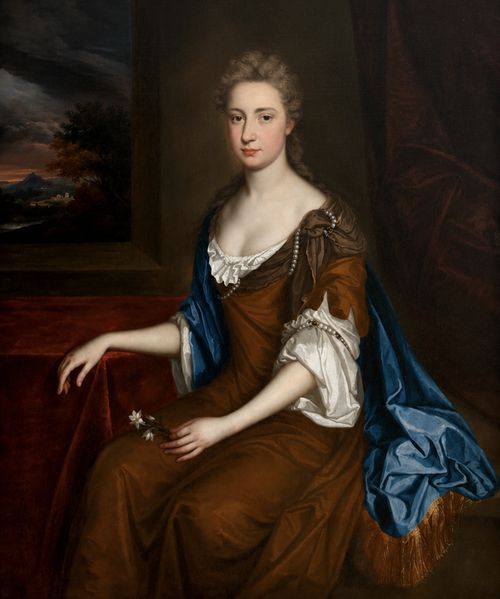
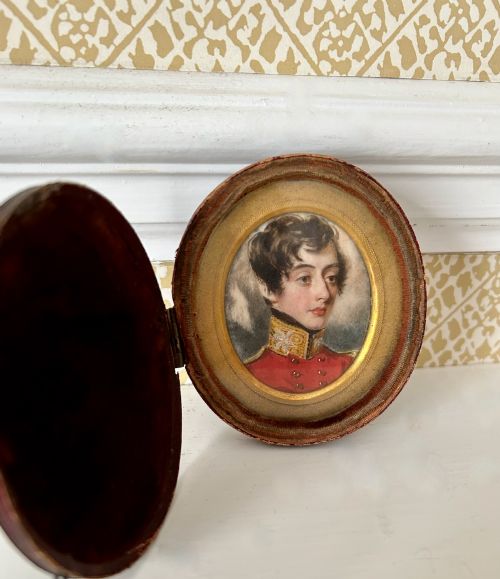
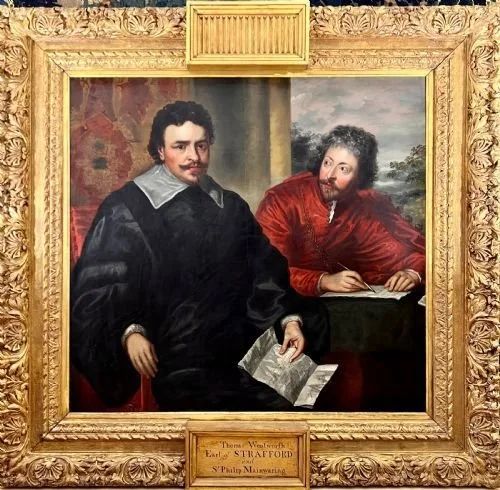
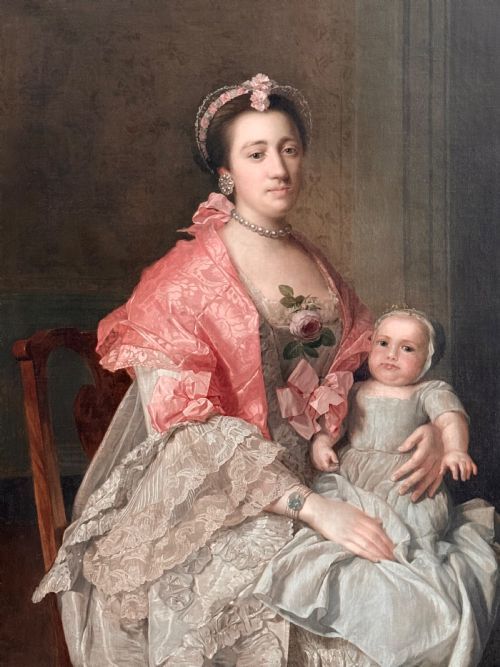
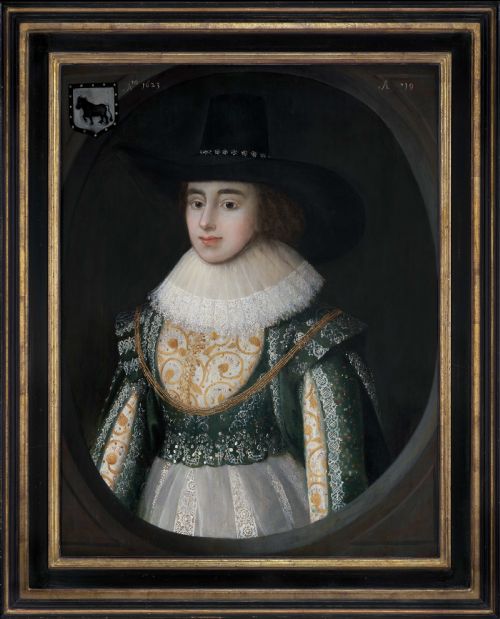
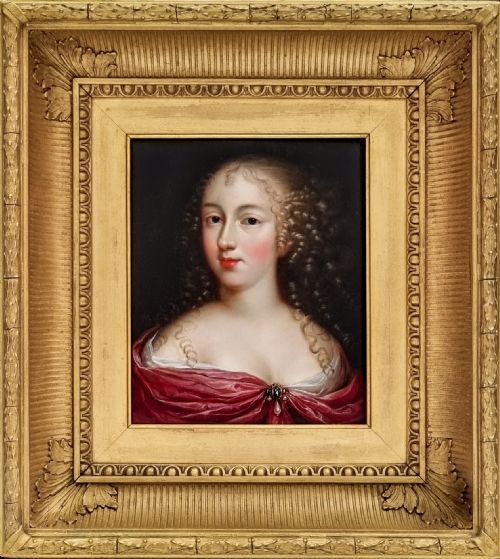
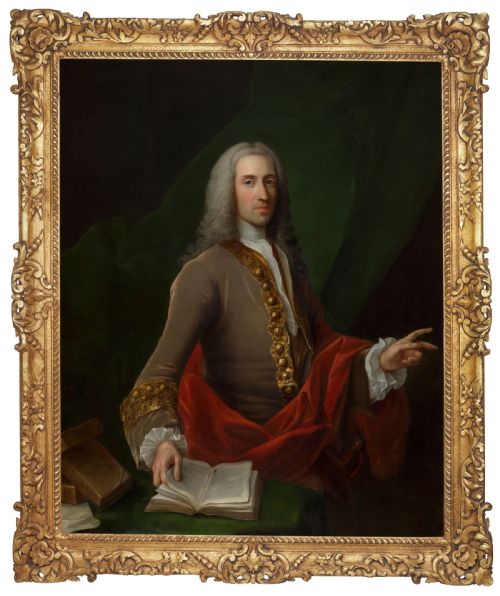
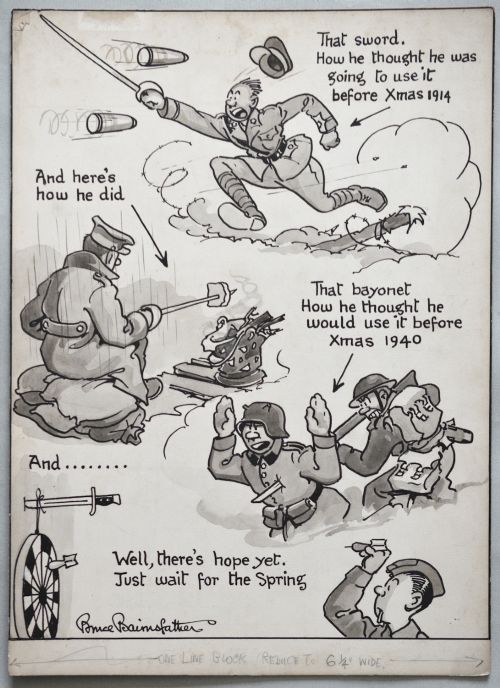
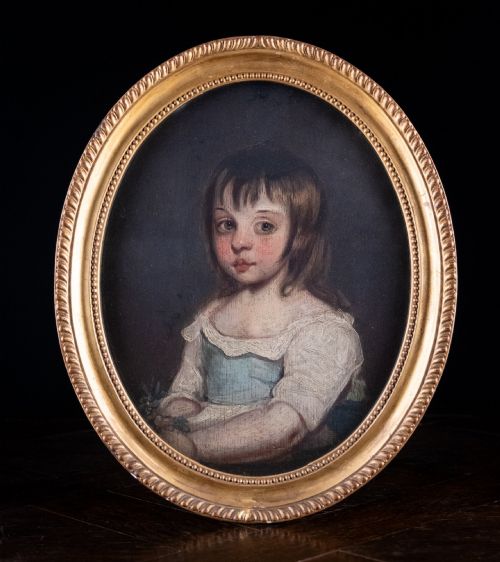
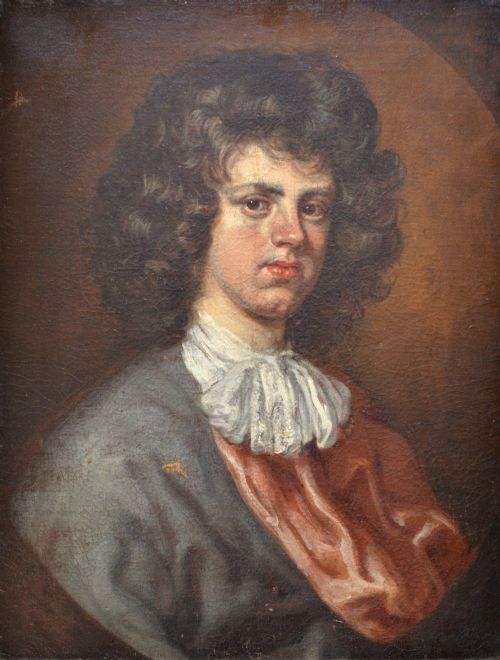
Historic artwork primarily consists of oil paintings on canvas and panel, supplemented by watercolours, portrait miniatures, and etchings spanning from the seventeenth century through to the Edwardian era.
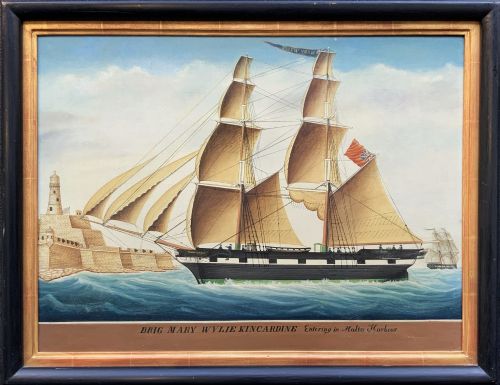
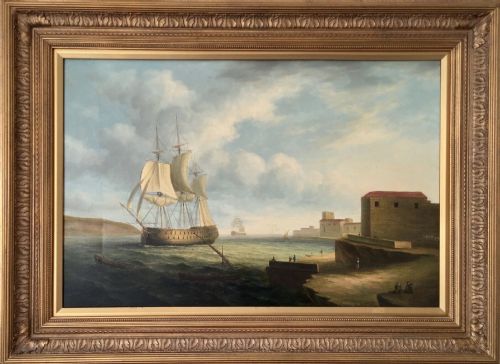
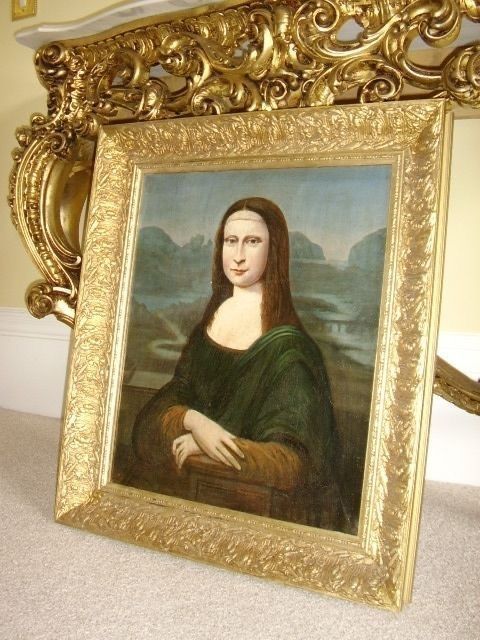
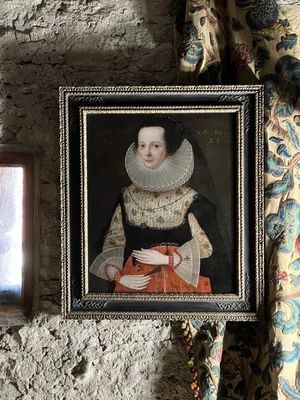
The selections on this page heavily feature British and European portraiture depicting nobility, military officers, and country figures alongside maritime scenes and architectural studies.
Buyers encounter everything from seventeenth-century English school portraits to nineteenth-century maritime canvases, offering tangible connections to past centuries through varied artistic mediums.
What varies in quality
The standard of execution across these pieces depends upon the precision of the draughtsmanship, the handling of light and shadow, and the expressive depth captured in portrait subjects.
Condition plays a central role, distinguishing works with intact original surfaces and minimal intervention from those carrying heavy restoration or pigment loss.
Attribution to documented artists or recognised schools elevates certain pieces above anonymous workshop productions, reflecting the standing of the original maker.
Listings span eight distinct periods, stretching from the sixteenth-century Flemish works up to the 1960s.
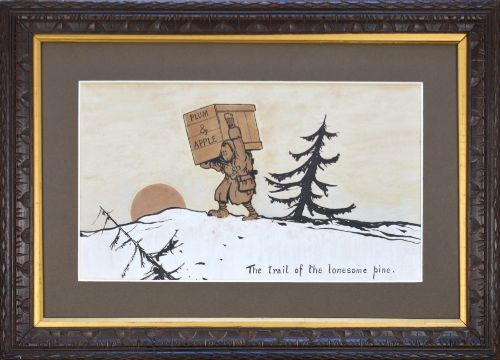
Trajan Hughes·Sir Allan Ramsay·Cornelius Johnson·Pierre Mignard·Bruce Bairnsfather·Jeremiah Davison·Mary Beale·John McDougal·Edouard Pingret·Bernard Gribble·William Lionel Wyllie·David Roberts·Ernest Arthur Rowe·Pieter Borseler·Charles Euphraisie Kuasseg·John Greenhill·John Taylor
The Historic Artwork Glossary
- Oil on canvas
- Pigment mixed with drying oil applied to a woven fabric support stretched over a wooden frame. This method allows for subtle blending and rich texture.
- Portrait miniature
- A small, highly detailed painting, often executed on ivory, vellum, or card during the eighteenth and nineteenth centuries. These intimate items were frequently commissioned as tokens of affection.
- Plumbago
- A delicate drawing executed in graphite, taking its name from the Latin word for lead ore. Artists used this medium for precise, monochrome portraiture.
- Panel painting
- Artwork created on a flat piece of wood rather than fabric. This rigid support was common in earlier centuries before canvas became dominant.
- Etching
- A printmaking process where lines are incised into a metal plate with acid before ink is applied and transferred to paper. This technique permits fine linear detail.
Historic Artwork: Frequently Asked Questions
How do I care for antique oil paintings?
Keep canvases away from direct sunlight and dramatic temperature fluctuations to prevent the paint layers from cracking or warping.
Dust the surface gently with a soft, dry brush and avoid using liquid cleaners or household solvents on historic pigments.
Can I hang historic artwork in bright rooms?
Strong natural light fades watercolours, paper drawings, and delicate pigments over time, making shaded walls a safer choice.
Oil paintings tolerate ambient light better, though placing them out of direct sun exposure preserves both the canvas and the frame.
What is the difference between panel and canvas?
Panel paintings utilise a solid wooden support that provides a rigid base, which is frequently found in seventeenth-century works.
Canvas relies on stretched fabric, offering a slightly flexible surface that became the standard support for larger portraits and landscapes later on.
How do I identify the period of a portrait?
Clothing styles, hairstyles, and framing techniques offer the most reliable clues for dating historical artwork to a specific century or decade.
Inscribed names, dates, or historical records accompanying the subject also help confirm the exact era in which the piece was created.