








Historic Architectural Art
Historic architectural art captures the built environment and grand interiors through watercolours, oils, and detailed drawings spanning several centuries.
Historic Architectural Art
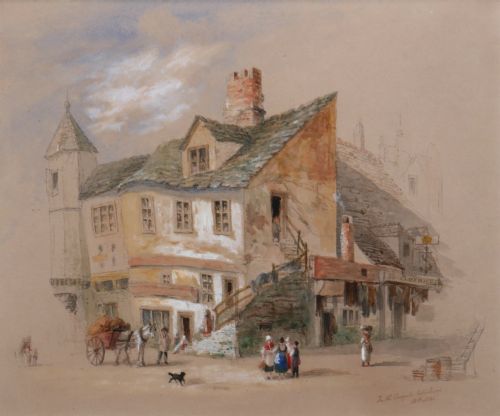
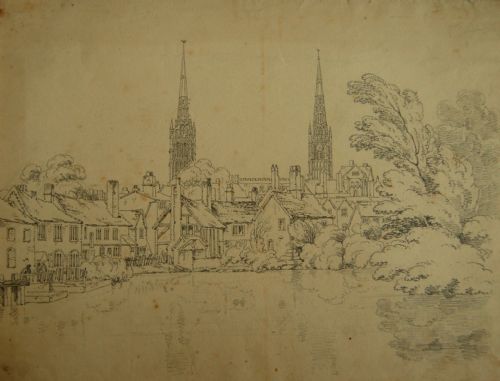
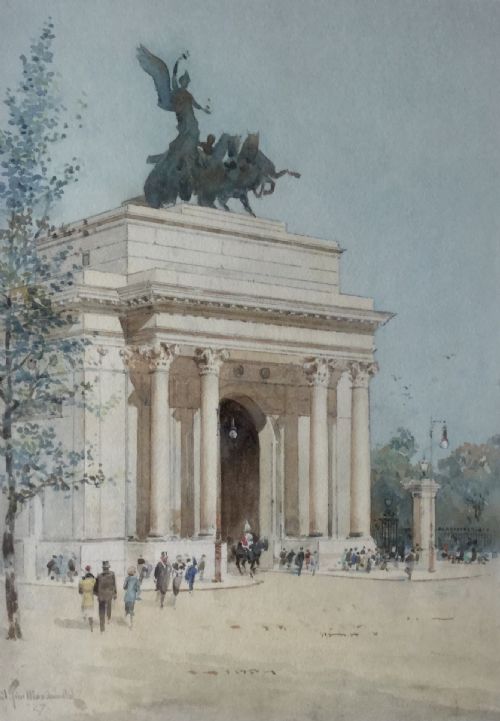
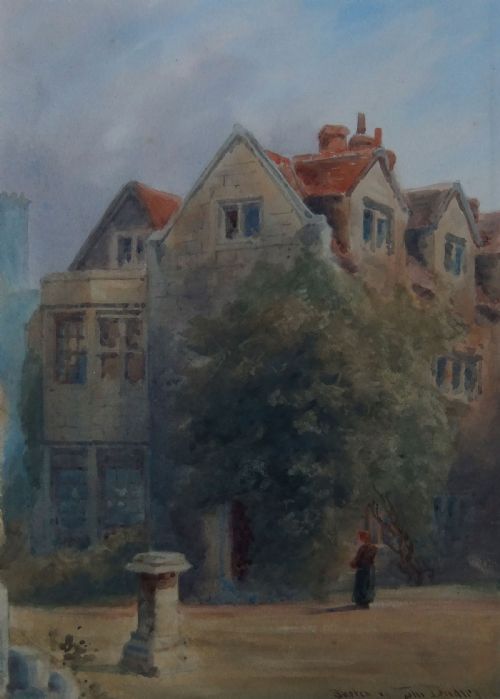
Historic architectural art encompasses paintings, watercolours, and detailed drawings that record notable buildings, townscapes, and historic interiors. These works range from precise pen and wash studies of European facades to atmospheric oils of castles and London landmarks.
Buyers seeking historic architectural art will find a strong representation of 19th-century and early 20th-century watercolours and oil paintings. Subjects frequently focus on British and European street scenes, significant public structures, and historic country houses.
The selection includes both plein air watercolours and careful architectural renderings executed on paper or canvas. Works often depict specific locations such as London monuments, Dutch town halls, and grand domestic interiors.
Materials and techniques
The works utilise traditional media such as watercolour paint, ink, and pencil on paper, alongside oil paintings on canvas and panel. Artists employed fine ink lines and washes to achieve the sharp detail necessary for recording stonework and architectural elevations.
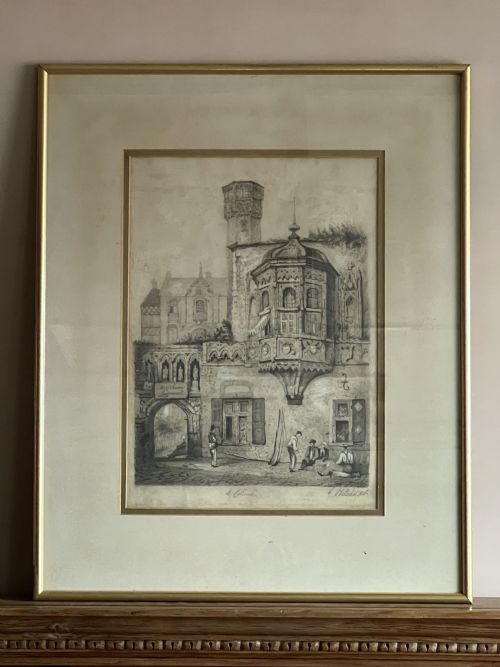
Framed artwork and engravings rely on paper supports, while larger oil paintings utilise primed canvas mounted over wooden stretchers. Gilt wood frames frequently complement the traditional presentation of these historic pieces.
Historic Architectural Art Retail Price Guide 2026
Typical asking prices for historic architectural art among the pieces listed under this phrase on Sellingantiques today, from the lower quarter to the upper quarter. They describe what is for sale here now, not the wider market.
The selection spans from 18th-century engravings to early 20th-century watercolours, utilising paper, canvas, and gilt wood.
Assessing quality
Quality in these works rests upon the precision of the draughtsmanship and the artist's ability to render perspective and structural detail accurately. Superior examples demonstrate a confident handling of light and shade that brings stone facades and interior spaces to life.
The distinction between standard topographical records and exceptional pieces lies in the atmospheric depth and compositional balance achieved by the artist. Works by recognised painters with documented exhibition histories generally display a surer command of colour and tone.
Rowland Henry Hill·David Small·Noel Harry Leaver·Beatrice Parsons·Tom Dudley·Henry Edridge
The Historic Architectural Art Glossary
- Watercolour
- A painting method where fine pigment is suspended in a water-based solution, typically applied to paper. It allows for translucent washes and delicate architectural details.
- Etching
- A printmaking process where lines are bitten into a metal plate with acid before being inked and pressed onto paper. This technique produces fine, crisp black and white architectural lines.
- Pen and wash
- A mixed media technique combining precise ink linework with diluted washes of ink or watercolour. Artists used this method to define structural outlines while adding tonal depth.
- Oil painting
- The process of painting with pigments bound in a drying oil, applied to canvas or wood panels. This medium permits rich colour blending and substantial surface texture.
Historic Architectural Art: Frequently Asked Questions
What subjects appear in historic architectural art?
These works feature prominent buildings, street views, and historic interiors across Britain and Europe. Common subjects include London monuments, castles, cathedrals, and stately home rooms.
Artists focused on recording both the exterior elevations of notable structures and the domestic arrangements of grand historical residences.
How do I date a piece?
Dating relies on the costume of figures included in the scene, the architectural state of the depicted building, and signatures or exhibition records. Stylistic markers such as Victorian or Edwardian framing and mounting also provide key clues.
Many works include artist inscriptions or period documentation on the reverse or within the title detailing the specific year or decade of execution.
How should I display these works?
Works on paper require conservation mounting and framing behind glass to protect them from ultraviolet light and atmospheric moisture. Canvas oil paintings benefit from stable indoor environments away from direct heat sources.
Proper placement preserves the integrity of delicate watercolours and traditional gilt wood frames over time.
Are these works original or prints?
The selection includes unique hand-painted watercolours, oils, and original drawings alongside period engravings. Each listing specifies the exact medium, distinguishing unique paintings from printed works on paper.
Examining the surface reveals brushwork or ink pooling characteristic of hand-executed art rather than mechanical reproduction.