



Hidden Sword Cane
A hidden sword cane conceals a steel blade within a walking stick shaft, offering both discretion and gentlemanly defence during the late Victorian and Edwardian eras.
Hidden Sword Cane
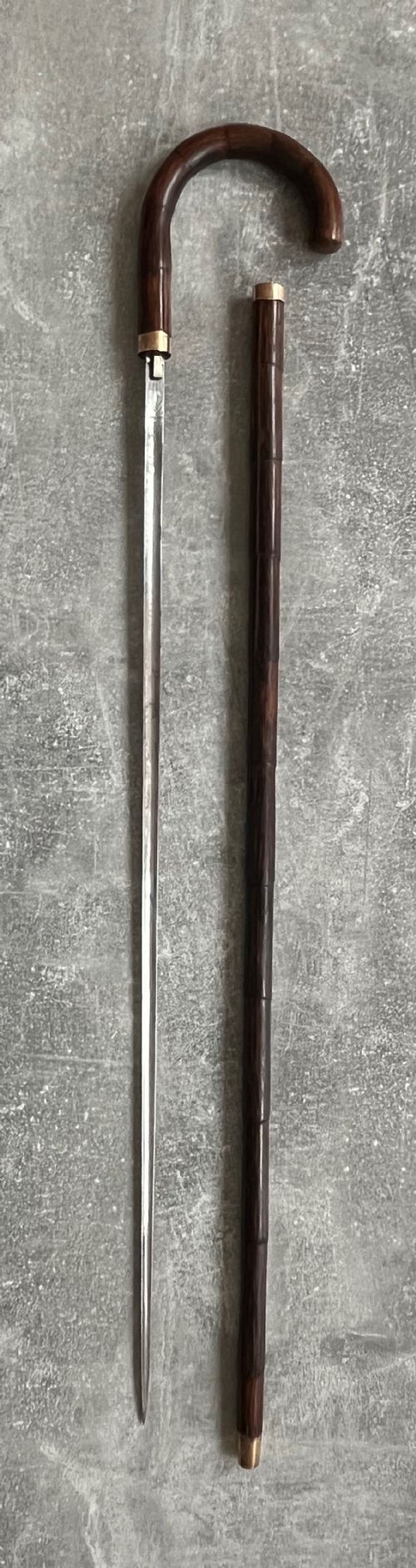
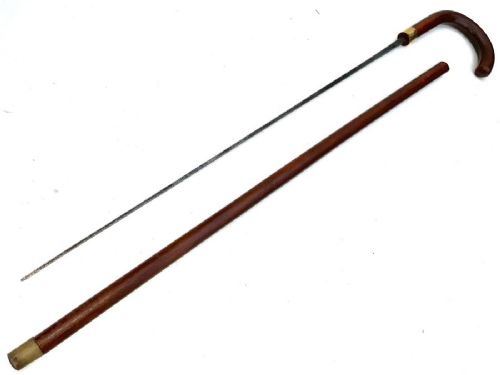
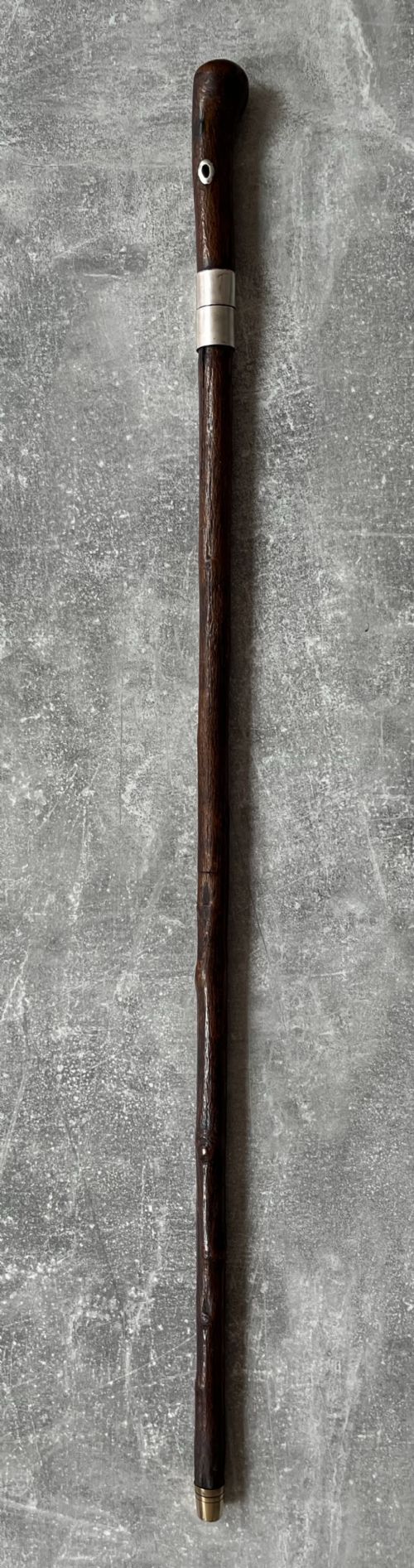
A hidden sword cane combines the daily utility of a walking stick with a concealed blade, emerging primarily from 19th-century and Edwardian workshops. You encounter forms ranging from simple bamboo shafts to military officers' swagger sticks and elegant gentleman's carriers.
Most examples originate around 1890 to 1910, spanning Victorian militaria and French designs. The construction usually houses the steel within natural materials like malacca, hazel, or hardwood.
Handles vary widely, featuring crook shapes, silver horse heads, bone pistol grips, and antler. Each piece balances the appearance of a standard walking cane with the mechanism of a concealed weapon.
Materials and Construction
Makers utilise natural timbers and plant stems such as bamboo, hazel, and malacca to form the exterior shaft and scabbard. Some French examples cover the haft in snakeskin or incorporate brass, metal, and silver mounts for reinforcement.
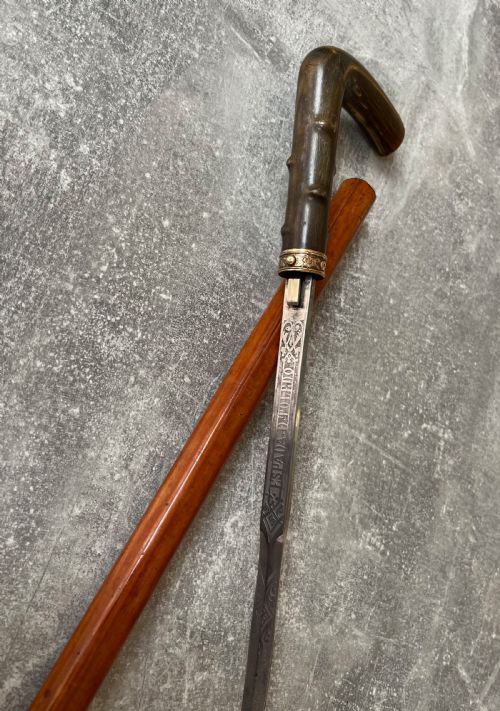
Internal blades are forged from steel, frequently etched and sourced from Toledo to ensure strength and flexibility. Mechanisms rely on button releases or friction fits to secure the blade safely inside the wooden housing.
Listings feature pieces spanning the late 19th century through the Edwardian period, utilising bamboo, malacca, hazel, and steel.
Evaluating Quality and Craftsmanship
Superior quality rests in the precision of the joinery between the handle, collar, and shaft, ensuring the hidden blade locks securely without wobbling. Lesser examples show uneven seams or loose button releases that fail to keep the weapon firmly seated.
Materials also dictate the tier of the piece, moving from standard bamboo utility sticks to detailed silver horse heads, antler grips, and finely etched Toledo blades. The integrity of the outer covering, whether polished hardwood or snakeskin, determines the overall preservation of the cane.
The Hidden Sword Cane Glossary
- Toledo blade
- A steel blade forged in the Spanish city renowned for weapon-making. These blades are prized for their resilience and decorative etching.
- Swagger stick
- A short, light cane carried by military officers. In this context, it often conceals a slender blade.
- Malacca
- A sturdy rattan cane imported from Southeast Asia, identifiable by its mottled brown finish and distinctive nodes. It serves as a favored material for sword stick shafts.
- Button release
- A mechanical catch set into the collar or handle that secures the blade inside the shaft. Pressing it allows the sword to be drawn smoothly.
- Pistol grip
- A handle shaped like the grip of a firearm, moulded from bone or wood to fit the hand ergonomically.
Hidden Sword Cane: Frequently Asked Questions
What is a hidden sword cane?
A hidden sword cane is a walking stick designed with a hollow shaft that conceals a steel blade inside. It functions primarily as a walking aid while housing a concealed defensive weapon.
These pieces gained popularity among gentlemen and military officers during the nineteenth and early twentieth centuries. They range from utilitarian bamboo sticks to ornate accessories featuring silver and antler handles.
How do you release the blade?
Most hidden sword canes utilise a mechanical button release set near the collar beneath the handle. Pressing this button disengages the internal latch, allowing the blade to slide smoothly out of the wooden shaft.
Simpler models rely on a friction fit where the user simply pulls the handle firmly to separate the blade from the scabbard. Maintenance of the internal mechanism ensures the blade remains securely seated when walking.
What materials are used for the shafts?
Shafts are constructed from natural materials including bamboo, faux bamboo, hazel, malacca, and various hardwoods. Some French and continental examples feature hafts covered in snakeskin or mounted with brass and silver.
Handles vary from traditional crook shapes to detailed bone pistol grips, carved antlers, and silver animal heads. The choice of material often reflects whether the cane was intended for military or civilian use.
How do I date a sword cane?
Dating relies on examining the materials, blade markings, and overall style associated with periods like the late nineteenth century, Victorian militaria, or the Edwardian era. Specific handle designs and manufacturing techniques help narrow the production window.
Consulting the specific traits recorded in the listings, such as Toledo blade etchings or specific wood types, assists in placing the cane within its historical context.