




Heriz Area Carpet
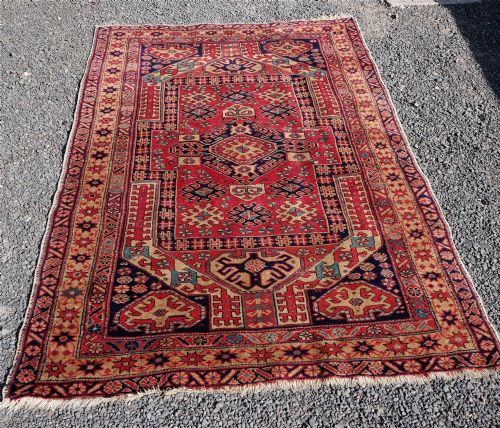
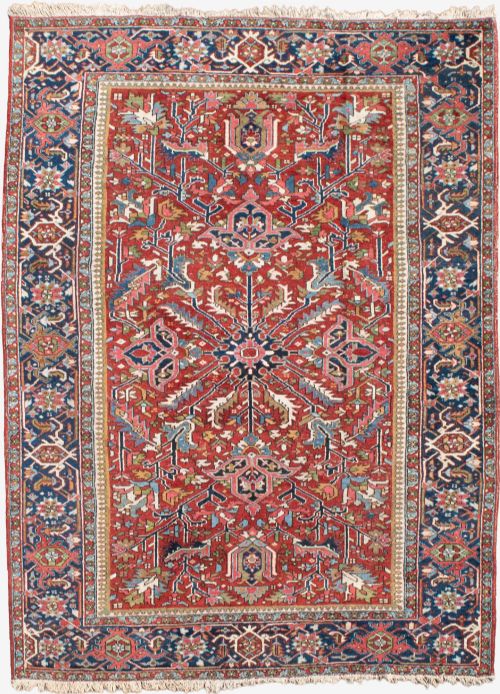
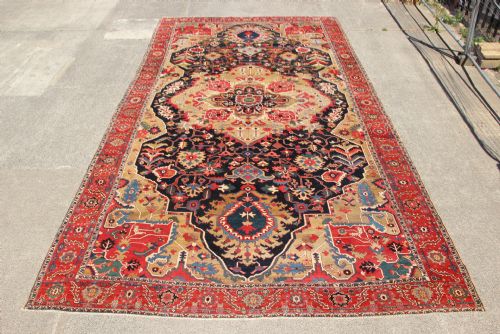
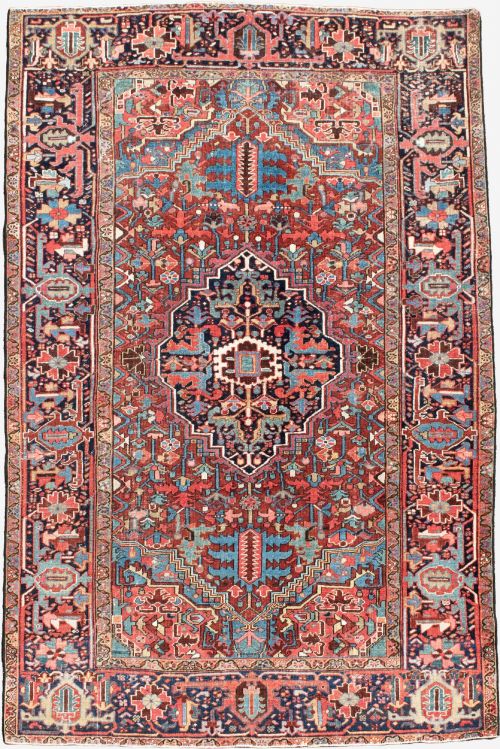
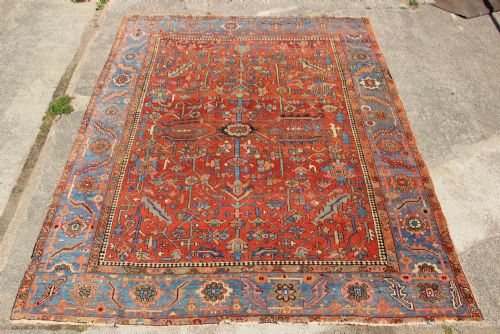
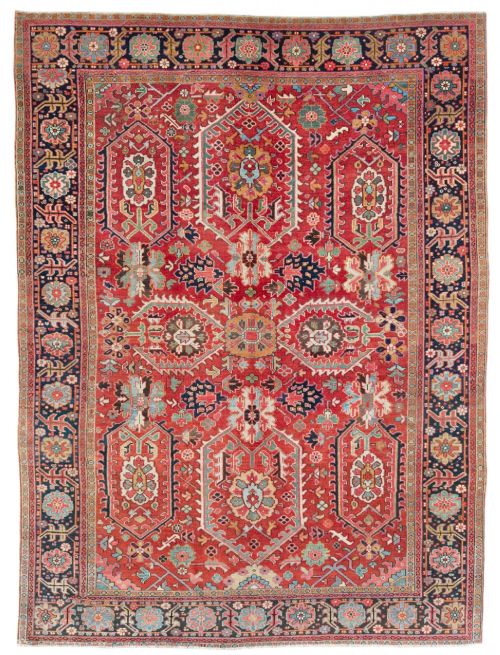
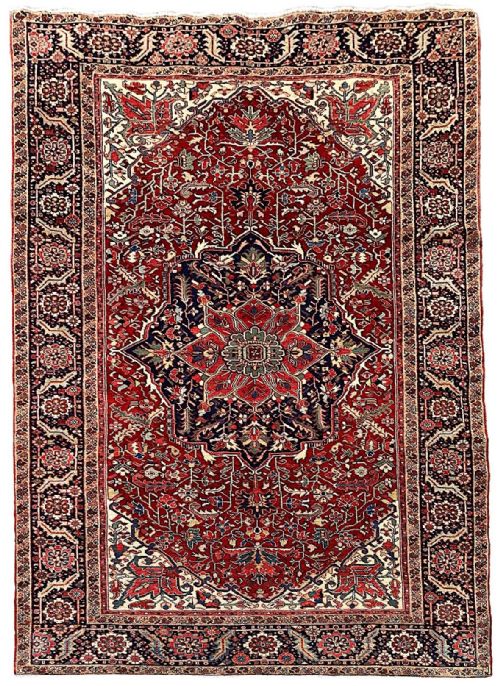
A heriz area carpet anchors a room with bold geometric medallions and sturdy construction rooted in the villages of north-west Persia.
Heriz Area Carpet
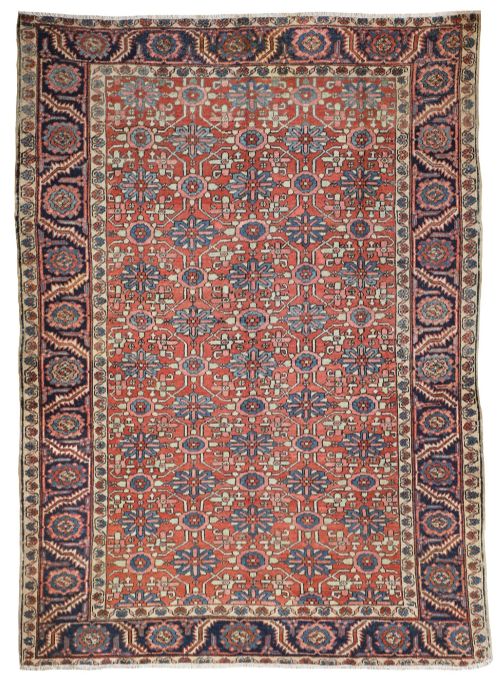
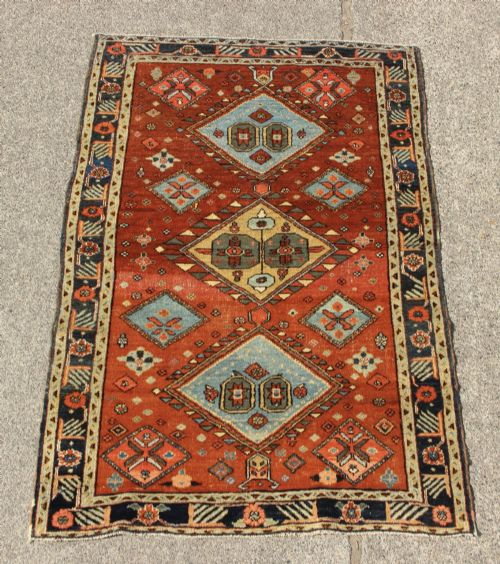
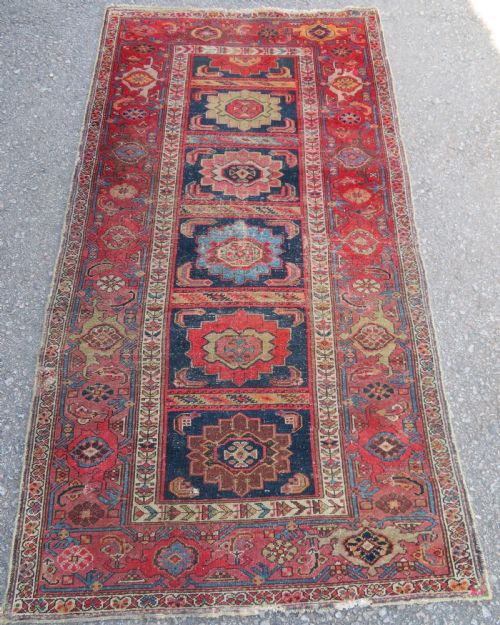
When you search for heriz area carpet, you encounter large room-sized carpets and smaller floor coverings originating from north-west Persia during the late nineteenth and early twentieth centuries. These woven pieces display distinct tribal and traditional Persian influences, often featuring prominent central geometric medallions rather than delicate floral curves.
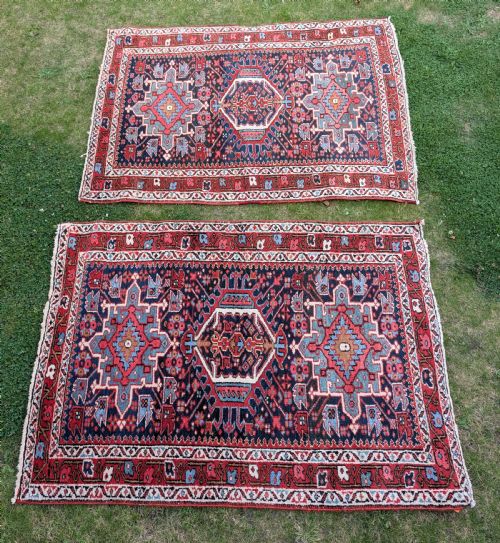
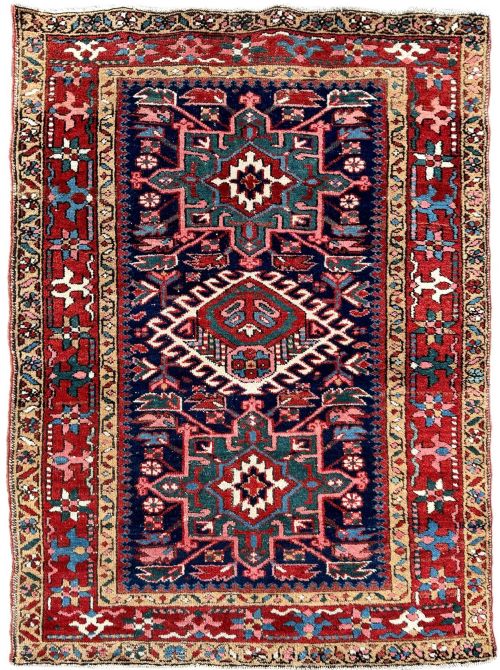
The selections available here span various formats, from expansive carpets exceeding six metres in length down to compact area rugs and companion pieces from adjacent weaving districts like Karaja and Bakshaish. Their designs prioritise durability and striking visual weight, making them enduring choices for heavy-traffic spaces.
Makers in these regions utilised local visual traditions passed down through generations, resulting in carpets that balance rigid geometric framework with expressive, varied colour palettes including ivory, sky blue and deep earthy tones.
Materials and construction
Weavers constructed these carpets using resilient wool pile tied firmly onto cotton warps, providing the structural stability necessary for large formats. Many examples incorporate hand-spun wool, lending a varied texture and tactile depth to the surface pile.
Natural dye materials generated robust colour foundations that mellow gracefully over decades of light exposure and use. The dense knotting technique creates a firm, heavy handle that allows the carpets to lie flat and withstand generations of foot traffic.
Current inventory spans seven distinct decades of production, ranging from mid-nineteenth-century village weaving up to the 1930s.
Evaluating quality and execution
Quality in these woven works rests upon the crispness of the geometric drawing and the handled harmony of the dye palette. Tighter knot counts and precise symmetry separate finer workshops from simpler village output.
The condition of the wool pile and the structural integrity of the cotton foundations dictate the longevity of the piece. Carpets retaining full pile height and original side cordings demonstrate superior preservation.
The Heriz Area Carpet Glossary
- Warp
- The vertical threads stretched across the loom that form the foundational skeleton of the carpet. Fringe ends typically display these parallel cotton cords.
- Medallion
- The prominent central ornamental motif dominating the field of the carpet. Heriz examples frequently employ large, angular geometric versions of this design.
- Pile
- The dense upright wool surface formed by knotted yarn ends. This upper layer absorbs wear while displaying the pattern and colour.
- Serapi
- A sub-style associated with older production, generally distinguished by more open compositions and exceptionally fine geometric drawing. Collectors prize these older room-sized formats.
- Bakshaish
- A related weaving origin from the same north-west region known for whimsical reinterpretations of classical motifs. These pieces often pre-date standard Heriz output.
Heriz Area Carpet: Frequently Asked Questions
Where were these carpets made?
These floor coverings originate from the Heriz region and surrounding villages in north-west Persia. Local workshops developed distinct geometric styles influenced by both Kurdish and Caucasian weaving traditions.
Weavers produced these carpets for domestic use and international trade, adapting traditional motifs into robust, large-scale formats suited to European and American homes.
How do I clean an antique rug?
Regular gentle vacuuming without a rotating brush roll prevents dust accumulation within the wool pile. Professional specialist cleaning remains essential for deep maintenance.
Avoid household chemical treatments or excessive moisture, which can damage the natural dyes and weaken the cotton warp threads over time.
How can I date my carpet?
Stylistic shifts, colour saturation and structural materials offer clues to the period of production. Pieces from the nineteenth century often display more muted vegetable dyes and looser, organic geometry.
Twentieth-century examples tend toward crisper synthetic or improved natural dye consistency alongside tighter structural knotting.
Are these carpets suitable for heavy traffic?
The sturdy cotton foundations and dense wool pile make these carpets exceptionally durable for everyday living spaces. Their robust construction handles dining room and hallway use with ease.
Utilising a quality underlay protects the foundation threads from abrasive movement against hard flooring surfaces.