


Heraldic Porcelain Plates
These heraldic porcelain plates carry centuries of family crests and coats of arms, offering a direct link to historic lineage that collectors prize.
Heraldic Porcelain Plates
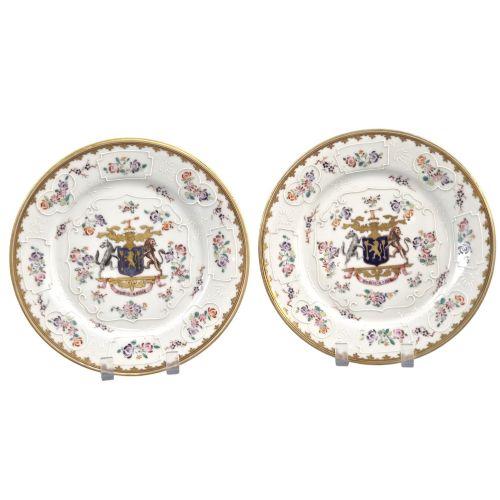
When you search for heraldic porcelain plates, you encounter ceramics painted with precise coats of arms, crests, and family mottos. These pieces span the eighteenth and nineteenth centuries, including items from Georgian and Victorian periods.
Materials and Manufacture
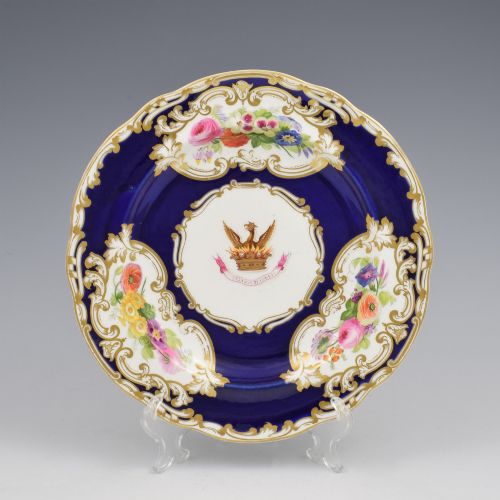
The pieces are formed from hard-paste porcelain, bone china, or glazed pottery, providing a smooth white ground for detailed painting. Enamel colours and gold leaf or gilt are applied by hand to render complex heraldic shields with exact precision.
Factories utilised traditional firing techniques in kilns before applying overglaze enamel decorations and gilding. Chinese Export pieces were often painted in overseas workshops using famille rose palettes before shipping to British and European buyers.
Listings feature hard-paste porcelain, bone china, and glazed pottery across Georgian and Victorian periods.
Assessing Quality and Execution
Quality rests in the crispness of the hand-painted heraldry and the fidelity of the family crest. Finer examples display meticulous brushwork in the enamel and generous application of gold leaf on the border.
The prestige of the original commissioner also influences desirability, as plates made for specific peers or baronets carry distinct historic interest. The condition of the glaze and the preservation of the delicate gilt edges separate standard service wares from exhibition cabinet pieces.
Edmé Samson & Cie·Copeland·Coalport·Chamberlain Worcester·Barr, Flight & Barr Worcester·Minton
The Heraldic Porcelain Plates Glossary
- Armorial
- Bearing a coat of arms or heraldic device. This term describes porcelain commissioned by noble families to display their lineage on the dining table.
- Famille rose
- A palette of opaque rose-pink enamel introduced in Chinese porcelain decoration during the eighteenth century. It dominates the coloration of many export armorial plates.
- Hard-paste porcelain
- A dense, vitrified ceramic made from kaolin and petuntse fired at very high temperatures. It forms the durable body of European and Chinese cabinet plates.
- Soup plate
- A deep plate with a wide rim designed for serving soup or broth. Many armorial examples were produced as part of large dinner services.
- Gilt
- A thin layer of gold applied to the ceramic surface for decoration. It frequently highlights the rims and borders of nineteenth-century cabinet plates.
Heraldic Porcelain Plates: Frequently Asked Questions
How were armorial plates used?
Wealthy families used these pieces during formal dinners to display their social standing and lineage to guests. Soup plates, dessert plates, and large platters formed part of extensive armorial services.
Over time, finer examples transitioned from the dining table to display cabinets as decorative objects of historic importance.
How do I identify the family crest?
The painted shield, helmet, and motto correspond to specific coats of arms registered with heraldic authorities. Reference books on British and European armory help match the symbols to the original commissioner.
Mottos written beneath the crest, such as the Seymour family phoenix, provide direct clues to the historic lineage.
How do I care for antique porcelain?
Keep these pieces away from direct sunlight and dramatic temperature fluctuations to protect the delicate enamel and gilt surfaces. Hand washing in lukewarm water with mild soap is essential, as modern dishwashers will ruin the gold leaf.
Display them securely in cabinets using proper plate stands to prevent tipping and edge chipping.