





Heraldic Art Painting
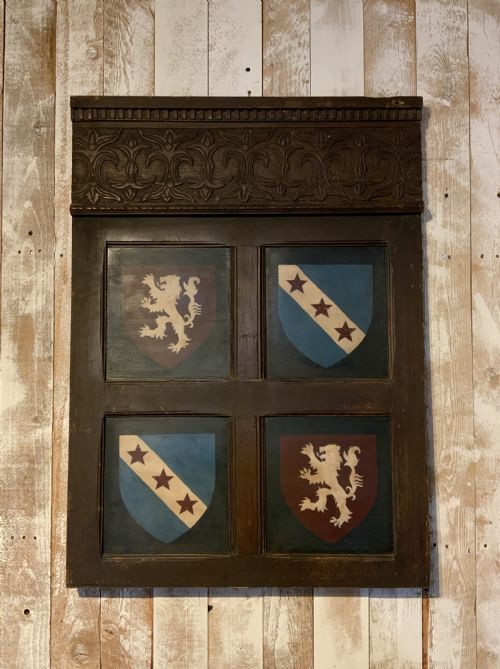
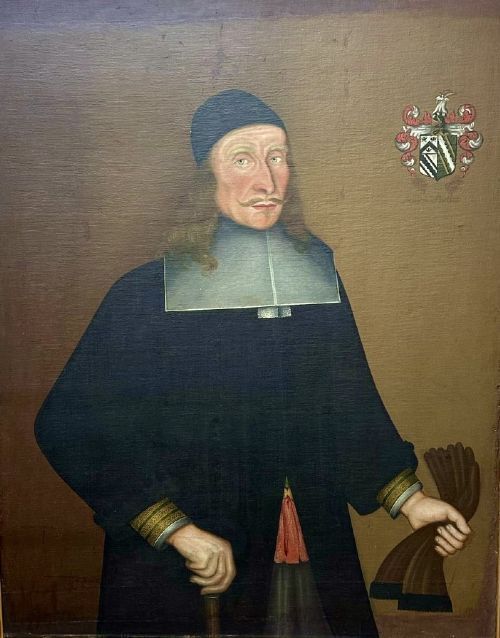
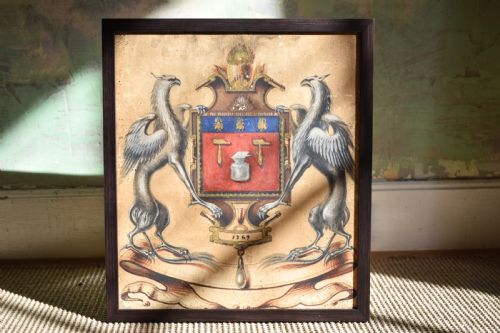
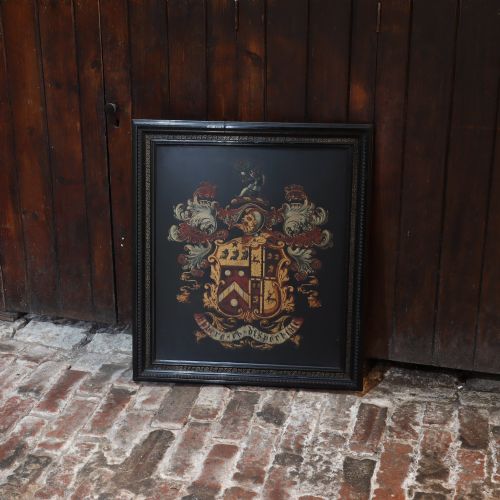
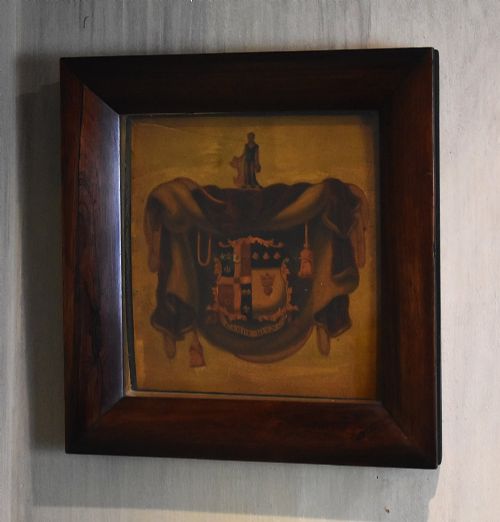
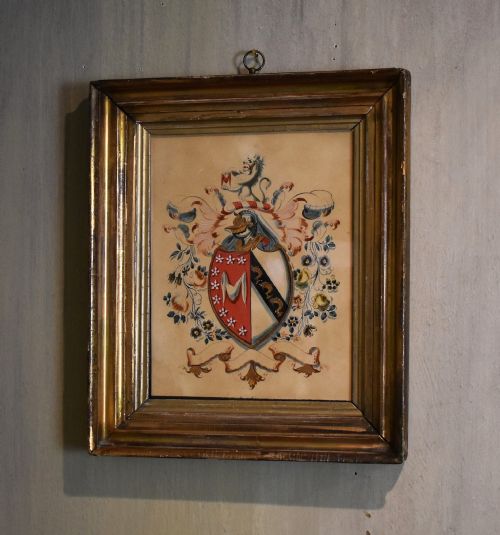
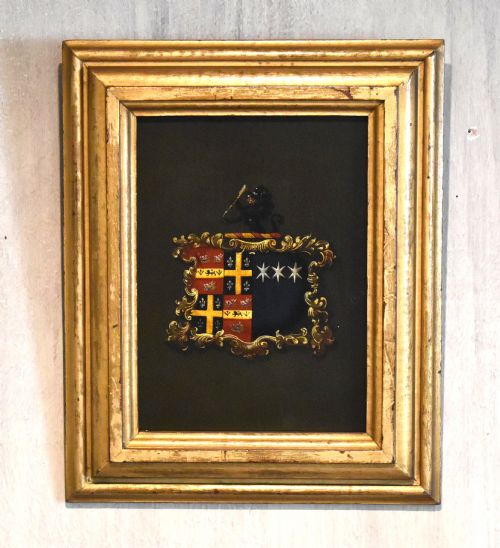
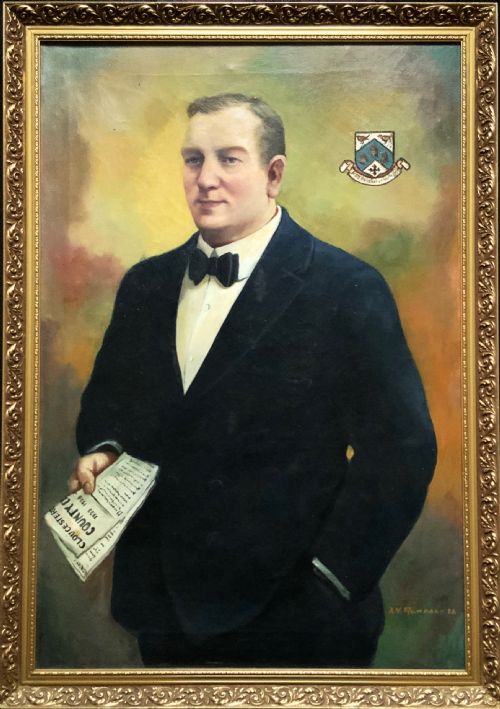
These heraldic art painting examples display historic coats of arms and armorial bearings on panels, canvas, and glass.
Heraldic Art Painting
When you search for heraldic art painting, you encounter historic representations of coats of arms, armorial bearings, and crests produced across several centuries. The selections range from coaching panels and framed watercolours to decorative dishes and oil paintings.
The pieces on this page span the seventeenth, eighteenth, and nineteenth centuries, alongside early twentieth-century examples. You will find works originating from English, Scottish, Welsh, and French traditions.
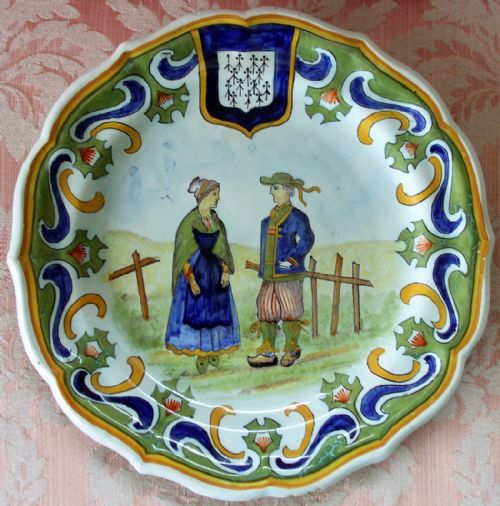
Objects include timber panels, parchment works, and painted ceramics such as French Faience dishes. Each item records lineage, authority, or decorative pageantry through traditional armorial imagery.
Materials and Construction
Makers utilised traditional supports including wood panels, canvas, glass, parchment, and ceramic surfaces. Oil paint, gouache, and watercolour served as the primary media for rendering intricate heraldic charges and tinctures.
Giltwood and gilded wood frames frequently accompany these works, enhancing the display of armorial panels and canvas portraits. Some items involve specialised applications such as reverse painting on glass or hand-painted details on earthenware dishes.
Heraldic Art Painting Retail Price Guide 2026
Typical asking prices for heraldic art painting among the pieces listed under this phrase on Sellingantiques today, from the lower quarter to the upper quarter. They describe what is for sale here now, not the wider market.
Some heraldic panels spent decades attached to carriage doors before retiring to the quiet dignity of a collector's wall.
Assessing Quality and Execution
The refinement of the brushwork and the precision of the armorial detailing distinguish finer examples. Superior execution appears in the careful delineation of heraldic charges, proper tinctures, and the integration of the artwork with its original support.
The preservation of the medium, whether oil on canvas, paint on wood panels, or pigment on glass, influences the character of the piece. Provenance relating to specific families, trade cards, or coaching panels adds historical context to the physical construction.
Icilio Federico Joni·Richard Baxter·Sir John Gilbert
The Heraldic Art Painting Glossary
- Armorial
- Relating to heraldry or coats of arms. It describes the specific visual symbols displayed on these panels and paintings.
- Coaching panel
- A painted section removed from a horse-drawn carriage. These frequently displayed the crest or coat of arms of the owner.
- Gouache
- An opaque water-based medium. It provides solid, matte areas of colour well-suited to detailed heraldic illustration.
- Faience
- Tin-glazed earthenware originating in Europe. Examples include decorative dishes featuring painted armorial designs.
- Tavolette
- Painted wooden book covers. These historic bindings sometimes incorporate decorative and armorial motifs.
Heraldic Art Painting: Frequently Asked Questions
What is a coaching panel?
A coaching panel is a section of timber taken from the door of a horse-drawn carriage. Wealthy families commissioned artists to paint their coats of arms on these vehicles to signal status during travel.
Over time, these painted sections were removed from carriages and preserved as standalone wall art or decorative panels.
How do I date a heraldic painting?
Dating relies on the style of the support, the framing materials, and the pigments used. Seventeenth and eighteenth-century pieces often utilise heavy timber panels or parchment, while nineteenth-century works frequently employ canvas, glass, or ceramic.
Examining the specific heraldic families and historical records associated with the arms also helps establish the era of creation.
Where were these paintings displayed?
Historic armorial paintings were originally displayed in country houses, estate offices, and official institutions to record family lineage and alliances. They served as visible symbols of heritage and social standing within private and public interiors.
Today, collectors hang them as framed wall art or display armorial ceramic dishes within cabinet collections.