


Henri II Sideboard
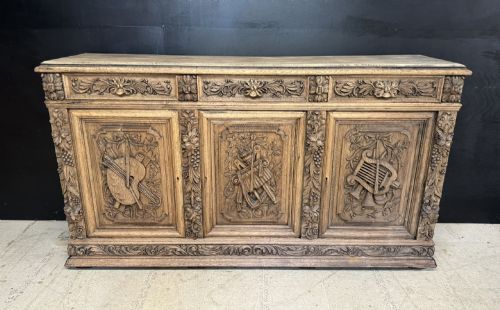
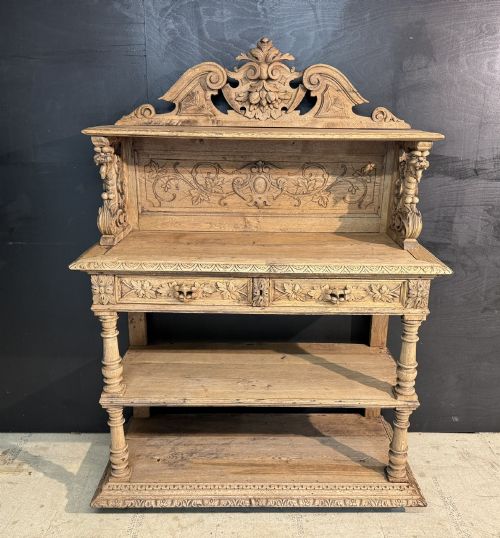
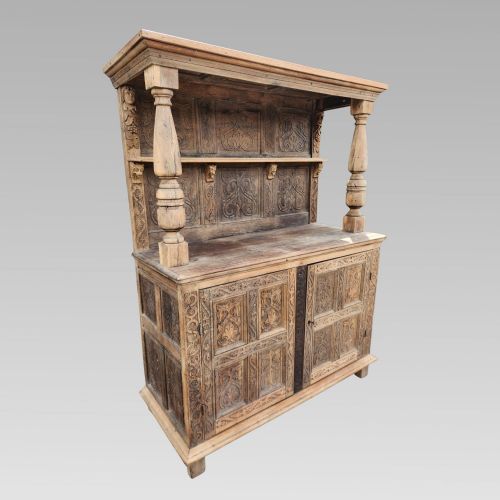
These heavy carved oak and walnut henri ii sideboard examples bring robust French Renaissance Revival presence to a grand dining room.
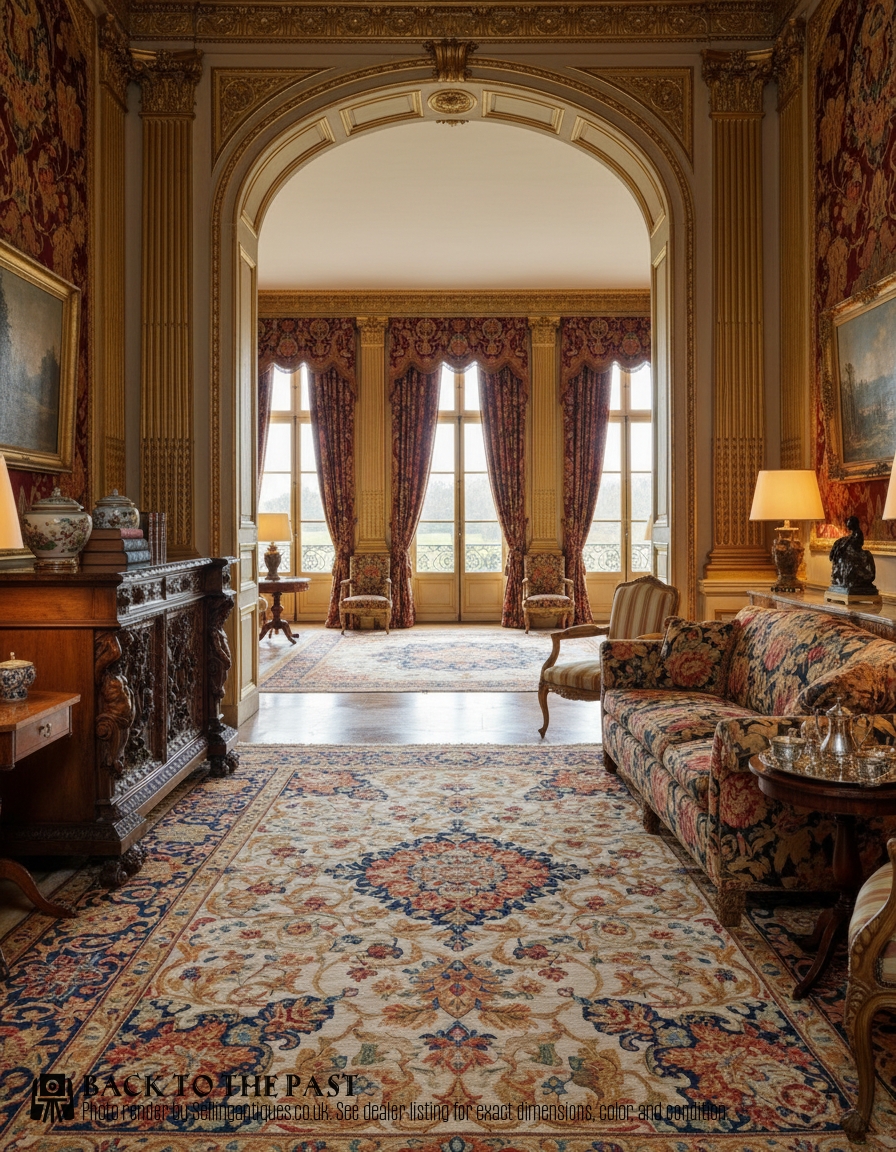
Henri II Sideboard
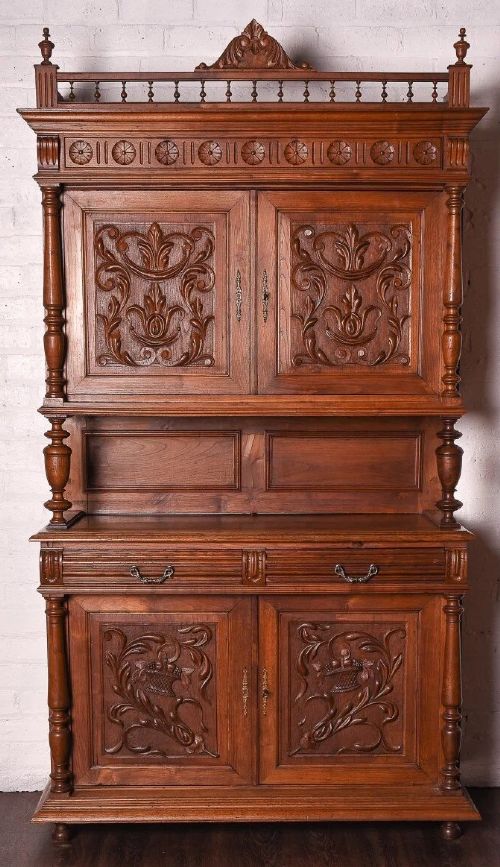
A henri ii sideboard is a substantial storage piece rooted in French Renaissance Revival design, constructed primarily during the nineteenth century. These forms include buffets de corps, game cupboards, and tall architectural cabinets designed for display and utility.
Most examples encountered on this page date to the nineteenth century, including specific Victorian-era items and pieces from around eighteen eighty or eighteen fifty. Their origins lie firmly in French cabinet-making traditions, encompassing styles such as French Chateau and French Hunt Style.
Buyers seek these imposing items to anchor a room with deep wood tones and sculptural carving. The typical configuration pairs a lower cupboard base with an upper tier or superstructure, creating a commanding architectural presence.
How they were made
Makers constructed these heavy pieces using solid oak and walnut, chosen for their strength and suitability for deep relief carving. Structural elements occasionally incorporate iron and brass hardware to secure massive doors and drawers.
Surface decoration relies on elaborate hand carving, rendering figures, foliage, and game motifs directly into the timber. Many pieces integrate marble surfaces or panel construction techniques typical of nineteenth-century French workshops.
Materials across the inventory concentrate on solid oak and walnut, occasionally accented with marble tops and brass fittings.
What varies in quality
Quality rests in the depth and crispness of the carved ornamentation, distinguishing heavy factory output from master cabinet-making. Superior pieces display fluid figures and balanced architectural proportions rather than flat or repetitive stamping.
The choice of timber and the structural integrity of the joints dictate longevity in these heavy furniture items. Dense, well-figured walnut and solid oak retain their stability better than secondary softwoods used in lesser domestic versions.
The Henri II Sideboard Glossary
- Buffet de corps
- A large two-body French sideboard featuring an upper cabinet set upon a lower cupboard base. This form provides substantial display and storage space.
- Renaissance Revival
- A nineteenth-century design movement drawing inspiration from sixteenth-century architectural and decorative motifs. It employs classical columns, strapwork, and sculptural figures.
- Hunt style
- A regional decorative theme incorporating carved game, foliage, hounds, and sporting trophies into the woodwork. This motif is common on nineteenth-century French dining furniture.
- Strapwork
- An ornamental motif resembling flat, interwoven leather bands or scrolls carved in relief across wooden panels. It characterises sixteenth-century and revivalist joinery.
Henri II Sideboard: Frequently Asked Questions
What is a henri ii sideboard?
A henri ii sideboard is a large nineteenth-century storage piece built in the French Renaissance Revival style. These items typically feature heavy oak or walnut construction with elaborate hand-carved panels.
They serve as focal points in large dining spaces, combining lower cupboards with upper display shelving or enclosed upper cabinets.
How were these sideboards used?
Original nineteenth-century households utilised these substantial pieces to store dining china, silver, and heavy linens. Game cupboards specifically held provisions and hunting spoils in large country houses.
Today, owners use them for modern dining room storage while displaying ceramics or glassware on the wide top surfaces.
How do I date a sideboard?
Dating relies on examining the timber preparation, joinery methods, and the specific characteristics of the revival style. Nineteenth-century examples often display machine-sawn secondary elements combined with hand-carved primary surfaces.
Specific dates like eighteen fifty or eighteen eighty appear when documentation or distinct regional French design markers are present.
Are these sideboards solid wood?
Yes, these nineteenth-century French pieces are constructed from heavy native hardwoods like oak and walnut. Makers used solid timber for the structural frame, doors, and carved decorative panels.
Secondary woods may line the interior drawers, but the exterior presentation relies entirely on substantial natural timber.